
Police station
A police station is a local headquarters for law-enforcement staff, providing public contact, administrative functions, custody facilities and support services for police operations.
Overview
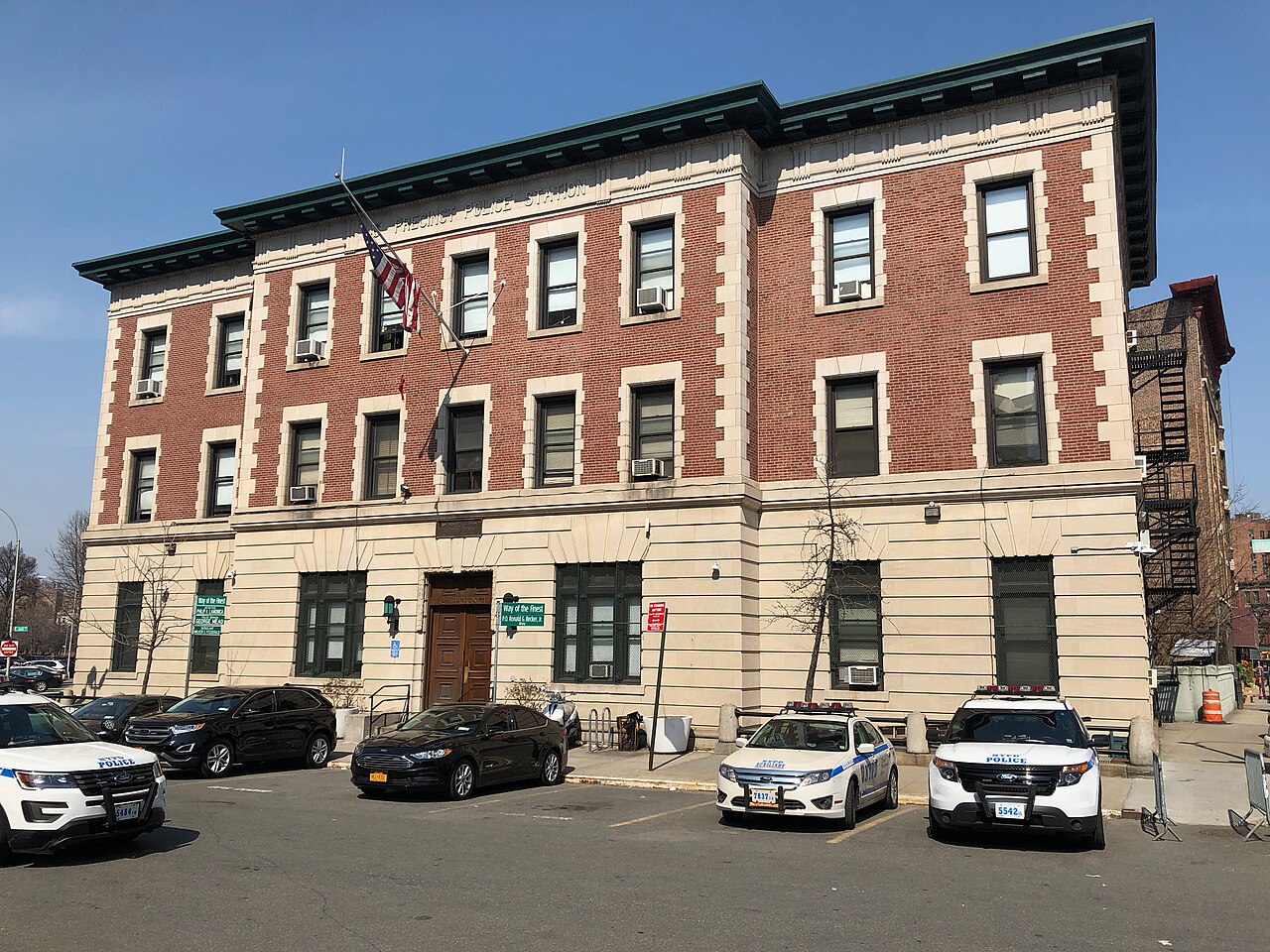
A police station is a building where members of a police force and other law-enforcement personnel are based. It serves as a hub for public contact, administrative work, dispatch and coordination of patrols. Many stations welcome visitors at a public counter and handle reports, permits and community liaison functions. The physical location and role of a station can be described simply as the building where police are based, and as the workplace for uniformed and plainclothes officers.
Image gallery
10 Images



Typical facilities and layout
Facilities vary by size and role but commonly include office spaces, interview rooms, holding areas and secure storage. Small or remote stations may consist mainly of administrative rooms, while larger precincts contain specialized units and support areas.
- Administrative offices for reports, records and detectives
- Public reception and information counters
- Cells or custody suites for people who have been arrested, with legal and welfare safeguards
- Designated rooms for interviewing victims, witnesses and suspects
- Evidence and property storage, briefing rooms and vehicle garages
- Staff accommodation or locker rooms and sometimes limited accommodation for on-call personnel
Role and daily operations
Stations coordinate emergency and routine responses, dispatch officers, and manage case files. They may host community meetings, run crime-prevention programs and support victims. Forensic, traffic or specialist units may be based in larger stations, while smaller posts focus on patrols and local administration.
History and development
The concept of a dedicated police building developed alongside organized, centralized policing in the 19th and 20th centuries. Over time stations adapted to new communications, forensic techniques and community-policing models, shifting some functions to regional hubs while retaining local points of contact.
Variations and notable points
Names and structures differ by country: precinct, divisional headquarters, substation or beat office. Modern trends include improved custody safeguards, digital records, 24/7 dispatch centers and co-location with other emergency services. Architectural styles range from modest rented offices to purpose-built public buildings designed for visibility and community access.

Related articles
Author
AlegsaOnline.com Police station Leandro Alegsa
URL: https://en.alegsaonline.com/art/77729