
Adoption (child) — overview, types, process and social aspects
Adoption is the legal and social process by which an adult becomes the permanent parent of a child. This article explains forms of adoption, common legal steps, history, and social considerations.
Adoption describes a legal and social process through which an adult or couple becomes the permanent parent(s) of a child who is not their biological offspring. The word "adopt" has broader meanings in English, including taking up an idea or practice; see the definition of 'adopt'. This article focuses on adoption of children: its purposes, common forms, basic legal elements and social implications.
Image gallery
7 Images

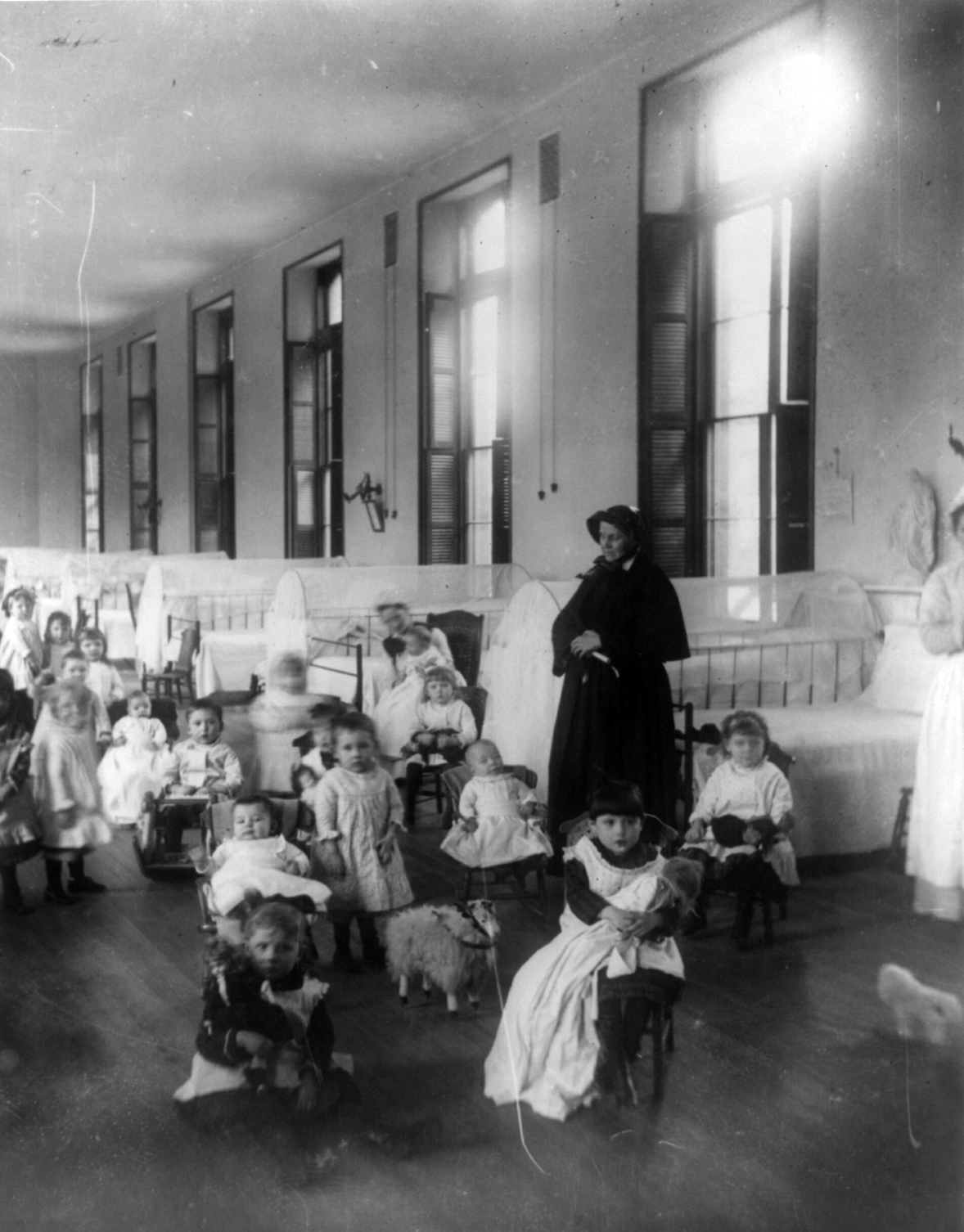



Common types
- Domestic adoption — arranged within a country and often handled by public agencies or private organizations.
- International adoption — crossing national borders and usually involving additional immigration and treaty requirements.
- Kinship adoption — when family members such as grandparents or aunts legally adopt a child.
- Open, semi-open and closed adoptions — describe the degree of contact and information exchange between birth and adoptive families.
Legal elements and process
Key legal steps commonly include evaluation of prospective parents, termination or relinquishment of birth parents' legal rights, a formal court order or decree of adoption, and registration of the new parent–child relationship. Requirements and terminology vary by jurisdiction; courts typically consider the child's best interests when approving an adoption.
History and development
Historically adoption practices have ranged from informal caregiving arrangements to formal legal institutions. Over the twentieth century many countries created laws to govern adoption, add protections for children and birth parents, and regulate international placements. In recent decades there has been a movement toward greater openness and recognition of varied family forms.
Social considerations and importance
Adoption provides permanency for children who cannot be raised by their birth parents, and it expands family possibilities for adults who cannot or do not wish to have biological children. It raises questions about identity, access to origins and cultural continuity, especially in cross-cultural or international adoptions. Practitioners emphasize counseling, appropriate matching, and post‑placement support.
Notable distinctions
Adoption differs from guardianship, foster care and assisted reproduction: guardianship may be temporary, foster care is often a state-supervised placement, and assisted reproduction involves genetic parentage without necessarily changing legal parenting. Because laws differ, prospective adoptive parents and birth families should consult local authorities or experienced agencies for accurate guidance.
Tags
Related articles
Author
AlegsaOnline.com Adoption (child) — overview, types, process and social aspects Leandro Alegsa
URL: https://en.alegsaonline.com/art/1058
Sources
- adoptioninstitute.org : "Policy and practice: many faces of adoption"
- originscanada.org : originscanada.org/adoption-trauma-2/adoption-trauma-studies/