
Chicago (musical)
Chicago is a satirical American musical by John Kander and Fred Ebb, with a book by Ebb and Bob Fosse. Set in Prohibition-era Chicago, it critiques celebrity, crime, and the justice system; adapted to film in 2002.
Overview
Chicago is an American stage musical with music by John Kander, lyrics by Fred Ebb, and a book by Ebb in collaboration with choreographer and director Bob Fosse. First conceived as a dark, ironic look at criminal celebrity in the 1920s, the show blends jazz-age atmosphere with sharp social satire. Its plot revolves around two women accused of murder whose trials become media spectacles, and the musical examines themes of fame, corruption and the manipulation of public opinion in an urban setting like Chicago.
Image gallery
8 Images


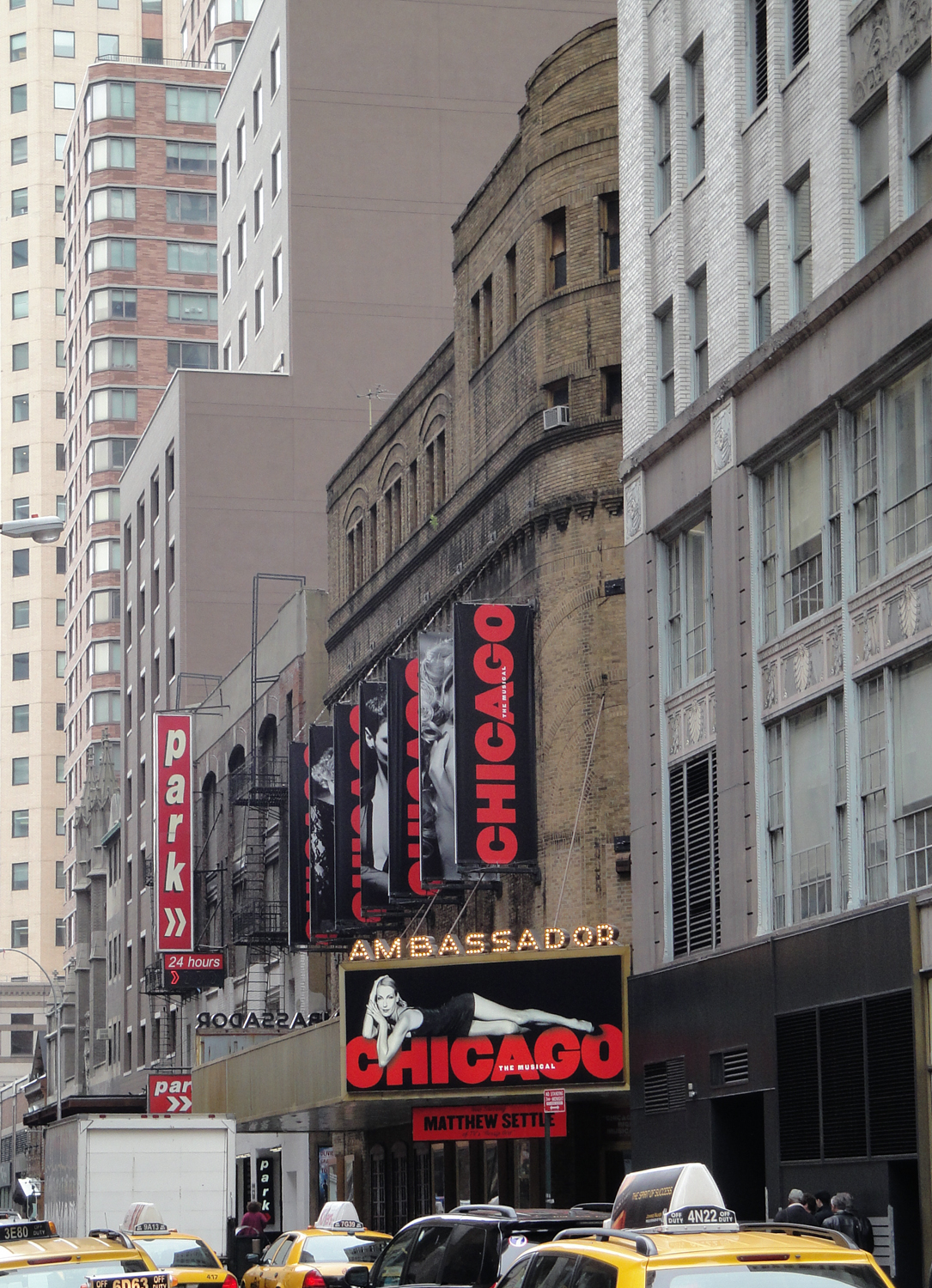
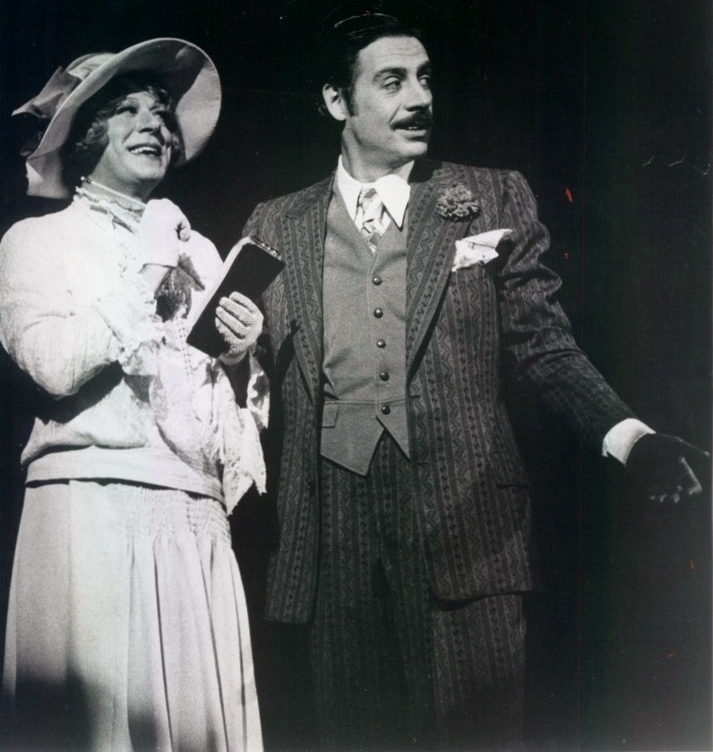
Structure, style and notable numbers
The original stage score mixes brassy, dance-driven tunes with torch-song balladry and cynical patter. The choreography—originally influenced by Fosse’s distinctive style—emphasizes stylized poses, isolation of body parts and theatrical gestures that underline the show's ironic tone. Audiences commonly remember numbers such as All That Jazz and Cell Block Tango, which combine character exposition with show-stopping staging. The musical frequently uses pastiche of period styles to evoke the Jazz Age while maintaining a contemporary satirical edge.
Production history
The show premiered on Broadway in 1975 at the 46th Street Theatre, where the initial run lasted into the late 1970s. That production introduced the world to its blend of dark comedy and vaudevillian presentation. A major revival opened in 1996 and reimagined some staging and choreography choices; that revival became one of Broadway’s longest-running musicals. The 1996 production is noted for breaking longevity records as a revival and for being a leading long-running American musical at the time.
Film adaptation and awards
Chicago was adapted for the screen in 2002, a condensed and cinematic retelling that retained the central characters, songs and satirical thrust. The film brought the material to a wider audience and earned industry recognition, including the Academy Award for Best Picture; contemporary coverage and retrospectives discuss how the movie translated stage techniques into film language while preserving the show’s critique of spectacle and justice. See the film adaptation for production and cast details via the 2002 film adaptation and its awards history, including the Academy Award for Best Picture.
Legacy, interpretations and distinctions
Chicago has been influential both as a piece of musical theatre and as a cultural reference point about media and crime. Directors and companies often reinterpret its choreography, orchestration and design to emphasize different elements—comic, tragic or political. Its revival status and box-office longevity distinguish it among Broadway shows: the 1996 revival in particular set records as the longest-running revival of a musical and established a high-profile, commercially enduring presence on Broadway. For more on original productions and revivals, see information about the original Broadway production and later stagings.
Critical themes and notable facts
- Satire of justice and publicity: The narrative critiques how legal outcomes can be swayed by press, publicity and spectacle—a central idea that gives the musical its edge. Satire is used intentionally to highlight hypocrisy.
- Choreography as storytelling: Fosse-influenced movement helps communicate character and irony without excessive exposition.
- Enduring appeal: The combination of incisive lyrics, memorable melodies and theatrical invention has kept the show in repertoire worldwide, from professional revivals to community and school productions.
Because of its layered tone—part vaudeville, part courtroom drama—Chicago remains a work frequently discussed in studies of American musical theatre for how it uses entertainment to comment on social issues. For general reference, production histories and critical essays, consult dedicated theatre archives and introductory overviews such as those linked here: Kander, Fosse, and archival materials on early and revival runs. Additional background and film coverage may be found under the links provided above.
Related articles
Author
AlegsaOnline.com Chicago (musical) Leandro Alegsa
URL: https://en.alegsaonline.com/art/19514
Sources
- chitarivera.com : "Chicago"