
Chicago Fire Department
Municipal agency providing firefighting, emergency medical services, fire prevention and specialized rescue across Chicago, Illinois, United States.
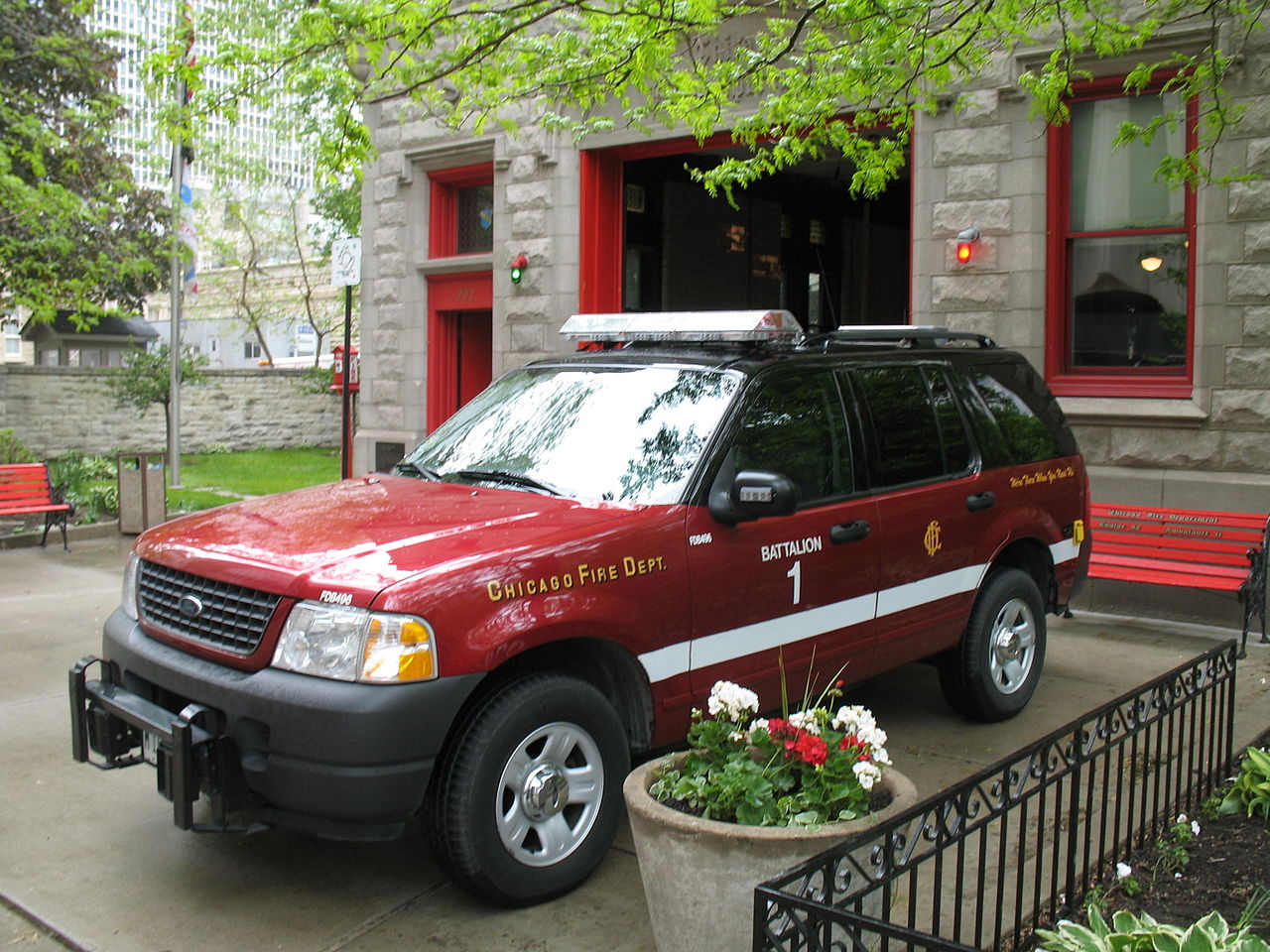
The Chicago Fire Department (CFD) is the municipal agency responsible for fire suppression, emergency medical response, and a range of rescue and prevention services across the city of Chicago, Illinois, in the United States. As one of the nation's largest and longest-established organized fire departments, the CFD handles a heavy operational tempo, receiving hundreds of thousands of emergency calls each year, the majority of which are medical in nature.
Image gallery
10 Images



Overview and mission
The department's mission combines rapid emergency response with community protection and risk reduction. Core responsibilities include firefighting and structure protection, emergency medical services (EMS), hazardous materials mitigation, technical rescues (such as high-angle or confined-space incidents), marine response on Lake Michigan, and fire prevention through inspection and public education.
Organization and resources
CFD is organized into geographically distributed firehouses staffed around the clock to provide continuous coverage across Chicago's neighborhoods. Command and administrative leadership oversee battalions and districts, while specialized companies operate engines, ladder trucks, ambulance units, rescue squads, and marine craft. The department also maintains training facilities and a fire academy to prepare new recruits and deliver ongoing professional development.
Apparatus and specialty units
- Engine companies: frontline units for fire suppression and pumping water.
- Truck (ladder) companies: provide search, ventilation, and elevated access.
- Ambulance/EMS units: handle the majority of medical calls and prehospital care.
- Specialty teams: hazardous materials, dive and marine teams, technical rescue, and fire investigation units.
History and development
The origins of organized firefighting in Chicago date to the 19th century. Catastrophic fires, most notably the Great Chicago Fire, shaped the city's approach to fire prevention, building regulation, and professionalization of fire services. Over time the department evolved from volunteer companies into a modern municipal organization with expanded EMS roles and specialized capabilities to address urban risks.
Community role and notable facts
Beyond emergency response, the CFD engages in public outreach such as school education programs, smoke alarm installation campaigns, CPR training, and property inspection to reduce risk. The department is frequently cited among the largest U.S. fire services and plays a central role in citywide preparedness, mutual aid during large incidents, and interagency coordination for major events and disasters.
For general information about municipal services or to contact local stations, start with resources provided by the city and public safety offices linked above.
Related articles
Author
AlegsaOnline.com Chicago Fire Department Leandro Alegsa
URL: https://en.alegsaonline.com/art/19505