
Chief Executive of the Hong Kong Special Administrative Region
Chief Executive: the head of Hong Kong's government under the Basic Law, its selection, powers, qualifications, historical origin in 1997, and relationship with the central authorities.
The Chief Executive is the highest-ranking official of the Hong Kong Special Administrative Region and serves as the head of its government. The office was established under the region's mini-constitution, the Basic Law, when sovereignty over Hong Kong was transferred from the United Kingdom to the People's Republic of China on 1 July 1997. This position replaced the colonial-era Governor of Hong Kong and is intended to lead the executive branch while operating within the "one country, two systems" framework.
Image gallery
9 Images


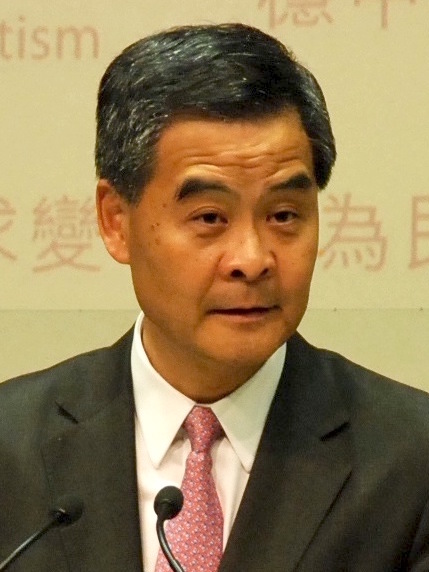


Constitutional basis and historical context
The Chief Executive's role, duties and selection procedures are set out in the Basic Law, a constitutional document drafted for the transfer. The creation of the office marked a change from direct British rule to a form of local administration under Chinese sovereignty. Since 1997, occupants of the post have been responsible for implementing Hong Kong policies and representing the region both domestically and, in limited respects, abroad.
Selection and qualifications
The Chief Executive is not chosen by universal popular vote under current rules. A multi-stage process involves nomination by an Election Committee and formal appointment by the Central People's Government in Beijing. Basic eligibility requirements include permanent residency in Hong Kong, Chinese citizenship, a minimum age threshold, and the absence of right of abode in any foreign country. Candidates must also secure the support specified by the nomination mechanism.
Powers and responsibilities
- Directs the Hong Kong government and sets major policy priorities.
- Appoints and removes principal officials and judges as provided by law.
- Proposes budgets and signs legislation into law after enactment by the legislature.
- Represents the region in economic and cultural affairs, while defence and foreign policy remain the responsibility of the central authorities.
- Must uphold and swear to maintain the Basic Law and pledge allegiance to the region.
Relationship with the central government and accountability
The Chief Executive operates under the dual expectation of managing local affairs and maintaining a working relationship with the central authorities in Beijing. Although the office holds significant local authority, its actions are constrained by the Basic Law and by the need for cooperation with national organs on issues such as defence, diplomacy and national security. The Chief Executive can also be subject to oversight by Hong Kong's legislature and to public scrutiny.
Importance and public debate
The office is central to Hong Kong's governance and its political development. Debates over the method of choosing the Chief Executive, the balance between local autonomy and national interests, and broader questions about democratic reform have been prominent in public discourse. These discussions reflect ongoing tensions in how Hong Kong's political institutions evolve while remaining part of the People's Republic of China framework. For further context about the government's structure, see the role of the head of government and historical comparisons with the Governor of Hong Kong.
Readers seeking official documents, legal texts or procedural details may consult government publications and legal sources for the definitive wording and the most recent reforms. Additional background material and commentary are available through public archives and analyses linked by regional institutions and scholarly reviews.
Previous incumbents
All previous incumbents were non-partisan supporters of the pro-Beijing camp.
- Tung Chee-hwa (1997-2005)
- Donald Tsang (2005-2012)
- Leung Chun-ying (2012-2017)
- Carrie Lam (since 2017)
Related articles
Author
AlegsaOnline.com Chief Executive of the Hong Kong Special Administrative Region Leandro Alegsa
URL: https://en.alegsaonline.com/art/19589
Sources
- gov.hk : "Government Structure"
- info.gov.hk : Bill 1999