
Chevrolet HHR (Heritage High Roof)
Compact retro-styled wagon produced by Chevrolet from 2006–2011. The HHR combined nostalgic design cues with modern compact-car platforms and was offered in multiple variants including a cargo 'Panel' and a sport-tuned SS.
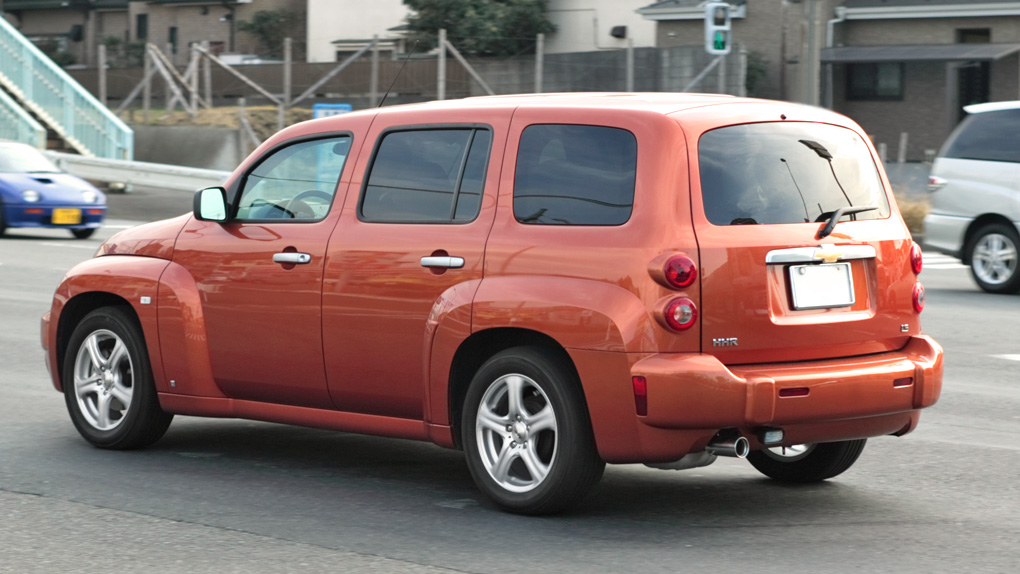
The Chevrolet HHR (an acronym for Heritage High Roof) is a compact wagon first unveiled by Chevrolet at the 2005 Los Angeles Auto Show for the 2006 model year. Designed to evoke earlier Chevrolet styling while using contemporary mechanicals, the HHR was marketed as a distinctive alternative to more conventional compact cars and small SUVs. Its exterior emphasized an upright roofline and squared wheel arches that referenced mid-20th century vans and wagons, a theme commonly described as retro styling.
Image gallery
8 Images


Design and platform
Stylist Bryan Nesbitt led the HHR program, producing a package that combined vintage visual cues with modern packaging. Mechanically the HHR sat on GM's Delta platform, a front-wheel-drive architecture it shared with a number of compact models, including the Chevrolet Cobalt, Pontiac G5, Saturn Ion and Saturn Astra. The Delta underpinnings allowed the HHR to offer everyday interior space and handling typical of compact cars while keeping production costs and complexity low.
The HHR was available in multiple configurations. In addition to a conventional five-seat wagon, Chevrolet introduced a two-seat cargo-oriented "Panel" variant aimed at small businesses and service users. A sportier SS model featured a turbocharged engine and suspension tuning intended to appeal to drivers seeking sharper performance. Across the range, buyers could expect conventional four-cylinder engines and transmissions common to compact GM vehicles of the era.
Production, markets and succession
Production of the HHR began with the 2006 model and continued through the 2011 model year. The final assembly runs ended in mid-2011, and dealerships in North America stopped selling the HHR later that year. In some markets the HHR was offered alongside other Chevrolet compact people-movers — for example in Mexico it was sold concurrently with the Opel-sourced Chevrolet Zafira (Opel being GM's European brand at the time).
After the HHR left production, Chevrolet filled the small crossover and compact utility slots with other models. The Trax was positioned as a compact crossover in some regions (Trax in North America and Europe), while the Captiva Sport — a rebadged Opel Antara derivative — became available in the United States primarily as a fleet-only vehicle (fleet sales) rather than a retail replacement for the general public.
Although its commercial lifespan was relatively short, the HHR remains notable for popularizing a retro-inspired approach in a mainstream compact vehicle. It demonstrated how familiar mechanical platforms could be adapted to distinctive styling themes and multiple body variants without developing an entirely new understructure. Today the HHR is remembered for its unique silhouette, its range of configurations (including the cargo Panel and the performance-oriented SS), and as part of Chevrolet's mid-2000s model lineup that experimented with blending nostalgia and modern design.
- Retro styling and influences
- Station wagon configuration
- 2005 Los Angeles Auto Show unveiling
- GM Delta platform relations
- Sales in Mexico
- Connections to Opel models
- North American market timeline
- Chevrolet Trax as successor in some markets
- European market notes
- Opel Antara and related rebadging
- Fleet-only replacements
Related articles
Author
AlegsaOnline.com Chevrolet HHR (Heritage High Roof) Leandro Alegsa
URL: https://en.alegsaonline.com/art/19416
Sources
- edmunds.com : "Chevrolet HHR Compare Competitive Models"
- autos.msn.com : "Research Station Wagons"
- media.gm.com : "Bryan Nesbitt Bio"
- commons.wikimedia.org : Chevrolet HHR