
Chevrolet Lumina — history, models and international nameplate
Overview of the Chevrolet Lumina nameplate: its origin as a North American mid-size car and minivan, principal variants, later international use as a rebadged model, and its legacy within GM’s global lineup.
Overview
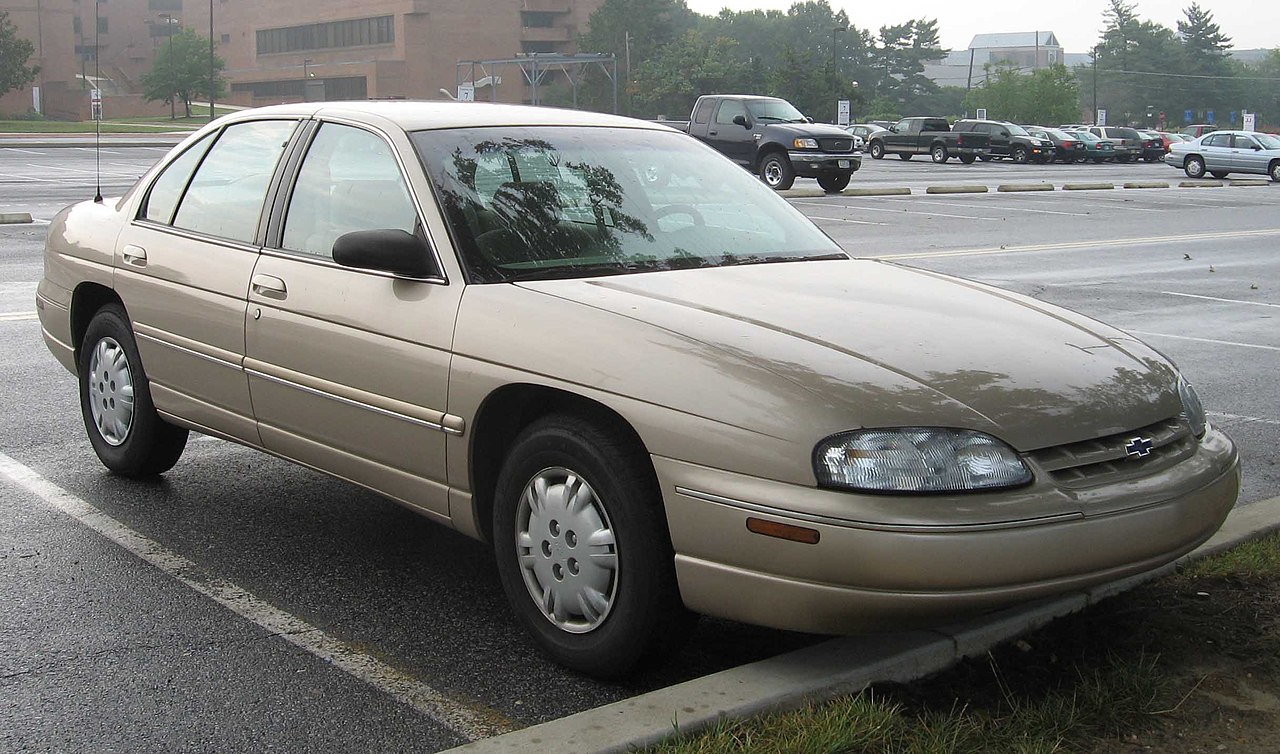
The Chevrolet Lumina was introduced for the 1990 model year as a mid-size passenger vehicle sold under the Chevrolet brand of General Motors. During its North American run the Lumina name covered several different body styles and market versions. In addition to conventional sedan and coupe models, Chevrolet applied the Lumina nameplate to a distinctive one-box minivan during the early 1990s. Although the Lumina was removed from many North American showrooms around North America by about 2001, the name survived in other regions on vehicles that were mechanically different from the original U.S. models.
Image gallery
10 Images




Design and engineering
As sold in North America, Lumina sedans and coupes were typical front-wheel-drive family cars of their era, offering a range of four-cylinder and V6 engine options and a selection of comfort and convenience features. The Lumina APV minivan was a notable departure: a front-wheel-drive, one-box design that used composite exterior panels and a configurable interior aimed at buyers seeking flexible passenger and cargo space. The various Lumina-bodied vehicles were built to serve practical, everyday transportation needs rather than to be luxury or high-performance models.
Models and body styles
- Sedan: The most common Lumina configuration in North America, a four-door family car intended for commuters and small families.
- Coupe: A two-door personal coupe version with sportier styling cues and options attractive to solo drivers or small households.
- APV minivan: A distinctive, forward-looking minivan with sliding doors, flexible seating and a tall interior packaging that differentiated it from more conventional vans.
- Commercial conversions: In some markets, Lumina-based vans and minivans were adapted as light commercial or cargo vehicles.
Market history and generations
The Lumina name replaced earlier Chevrolet mid-size offerings as GM reorganized platforms in the late 1980s and early 1990s. North American Luminas were refreshed and restyled during their production life to follow changing tastes and safety/packaging standards. By the late 1990s and into 2000–2001 Chevrolet shifted its mid-size strategy, introducing or reviving other nameplates that supplanted the Lumina in different market segments. The exact year and trim availability varied by region and model; for detailed model-year specifications and factory options consult period brochures and manufacturer documentation.
International use and rebadging
After the Lumina was withdrawn from North American showrooms, Chevrolet continued to use the Lumina name in several export markets. In parts of the Middle East, South Africa and elsewhere the badge was applied to larger vehicles that were not closely related to the North American, front-wheel-drive Lumina. Most notably, in several markets the Lumina badge was used on vehicles derived from the Australian Holden Commodore — a rear-wheel-drive, larger sedan platform — reflecting GM’s global practice of rebadging and market-specific lineups. In some Asian markets the Lumina name was also associated with related Buick models, for example those in the Century/Regal family, illustrating cross-brand nameplate sharing within GM (Buick/Regal ties).
Legacy and significance
The Lumina served as an accessible mainstream car and a pragmatic minivan option for households and fleet buyers during the 1990s. Its diversified use of a single name across markedly different vehicles shows how automotive manufacturers may retain a familiar nameplate while changing the engineering and market role of the cars that carry it. Enthusiasts and those researching mid-size GM models should take care to distinguish between North American Luminas and later export-market Luminas, because they can differ substantially in platform, drivetrain layout and mechanical components. For model-specific timelines, production dates and trim comparisons consult manufacturer archives and regional sales literature such as North American model timelines, documentation on the withdrawal and successor models, and regional notes on rebadging practices found via official marque histories and dealer materials.
Research and further reading
When studying the Lumina and its derivatives, reliable sources include manufacturer press releases and dealer brochures, contemporary road tests and period automotive guides. Because the Lumina name covered different mechanical designs across regions, primary-source materials from the market of interest are especially useful when confirming features, trim levels and production years. Additional context on global platform sharing and rebadging within General Motors can be found through corporate historical summaries and brand histories available from the manufacturer and specialist automotive references.
Tags
Related articles
Author
AlegsaOnline.com Chevrolet Lumina — history, models and international nameplate Leandro Alegsa
URL: https://en.alegsaonline.com/art/19419