
Chevrolet Cruze
Compact car produced by Chevrolet (General Motors). Overview of design, engines, history, market variants, and its place in GM's lineup.
The Chevrolet Cruze is a compact automobile sold under the Chevrolet marque of General Motors. Introduced in the late 2000s as a global replacement for several small models, the Cruze has been offered in multiple body styles and a range of powertrains to suit different markets. It became one of Chevrolet's primary compact models, notable for fuel-efficient turbocharged engines, a family-friendly cabin, and broad international production.
Image gallery
10 Images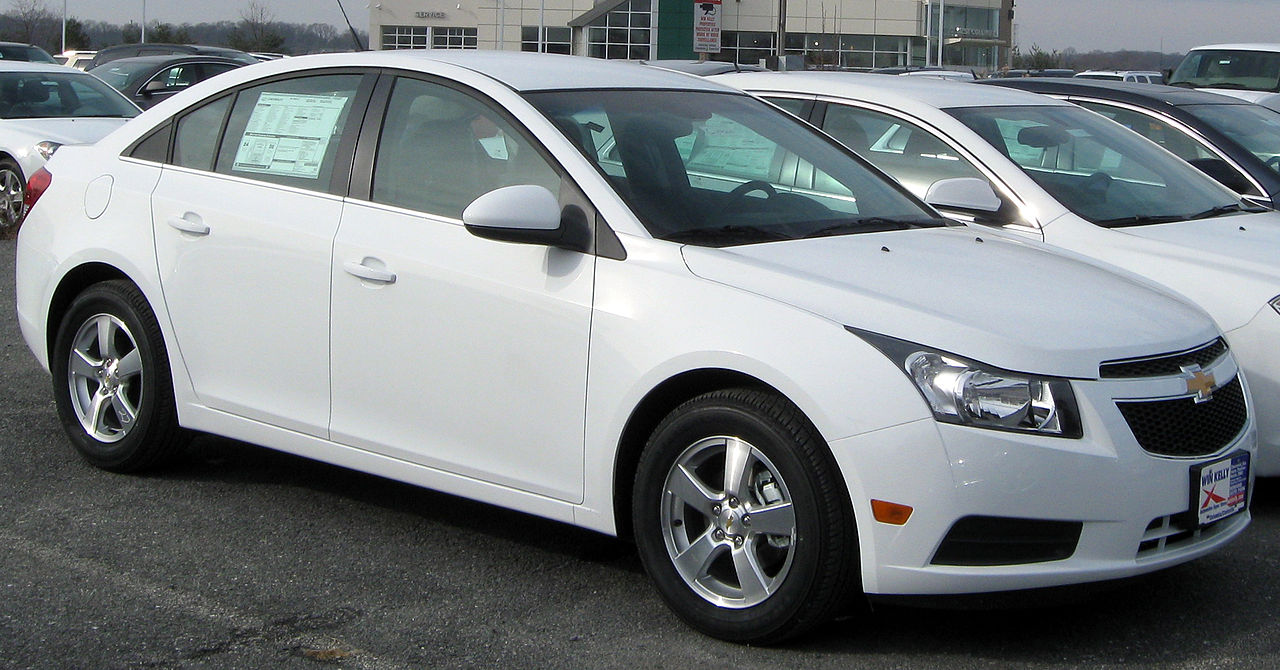



Characteristics and design
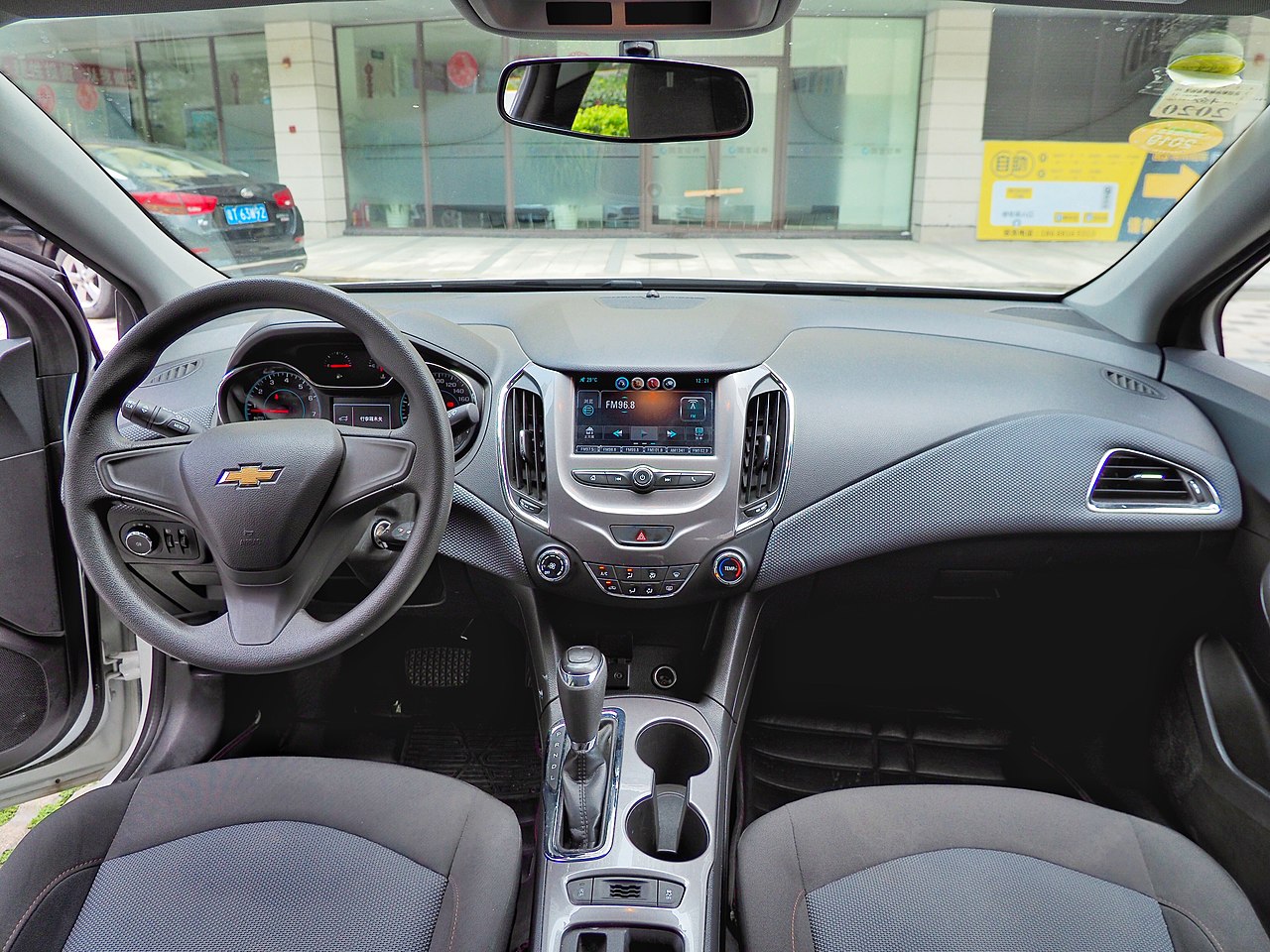
The Cruze was engineered as a compact four-door sedan and, in many regions, a five-door hatchback. Typical features included front-wheel drive, a unibody structure, and contemporary safety equipment such as multiple airbags and electronic stability systems (availability varied by trim and market). Interior layout emphasized ergonomics and cargo practicality rather than luxury.
- Body styles: sedan and hatchback (where offered).
- Common engines: naturally aspirated four-cylinder units and small-displacement turbocharged engines; diesel options were available in some countries.
- Transmissions: manual and automatic gearboxes, frequently six-speed designs in higher trims.
- Platform: derived from GM compact architectures used globally to share components and manufacturing processes.
History and development
The Cruze nameplate had earlier, limited use in some markets on small models during the early 2000s, but the modern Cruze that many buyers recognize was launched by Chevrolet as a compact successor to the Cobalt and other regional models. Some early versions drew on design and engineering work from GM’s international subsidiaries; for example, the model shared a close relationship with a Daewoo-developed compact in the brands’ combined portfolio. The Cruze's development reflected GM’s strategy to offer a consistent compact product worldwide rather than many region-specific subcompacts.
Markets, variants and powertrains
Chevrolet marketed the Cruze across North America, Europe, Asia, and other regions, with trim and engine choices tailored to local preferences. In North America it was commonly offered with small gasoline engines, including a 1.4‑litre turbocharged Ecotec in many later trims and naturally aspirated alternatives. Diesel versions and different displacements were sold in Europe and other markets where diesel remains popular. Chevrolet also positioned the Cruze alongside other GM compact offerings; it shared engineering ties with models such as the Buick Verano and occupied a different role than some discontinued nameplates such as the Pontiac twins of earlier decades. For corporate context see Chevrolet and a related compact predecessor Cobalt.
Uses, reception and legacy
The Cruze found buyers among commuters, fleet operators, and rental companies who valued its balance of interior space, fuel economy, and affordable ownership costs. Reviewers often praised models with the turbocharged engine for combining spirited performance with reasonable consumption. Over time, shifts in consumer demand toward crossovers and SUVs, along with GM’s restructuring of its passenger-car lineup, led to reduced emphasis on compact sedans. GM announced changes to its small-car strategy in the late 2010s; the Cruze nameplate was phased out or repositioned in various markets as part of that shift. For more on related GM compact strategy and sibling models see Buick.
Although no longer as prominent in some markets, the Cruze represents a period when manufacturers pursued global, fuel-efficient compact cars with standardized platforms and turbocharged small-displacement engines to meet tightening emissions and fuel-economy targets. Its history illustrates how global product planning and regional preferences shape the life cycle of a mainstream automobile.
Related articles
Author
AlegsaOnline.com Chevrolet Cruze Leandro Alegsa
URL: https://en.alegsaonline.com/art/19412