
Chevrolet Express
Full-size van produced by General Motors since the mid-1990s, offered in passenger and cargo forms and commonly upfitted for commercial, fleet, and specialty uses. Twin model: GMC Savana.
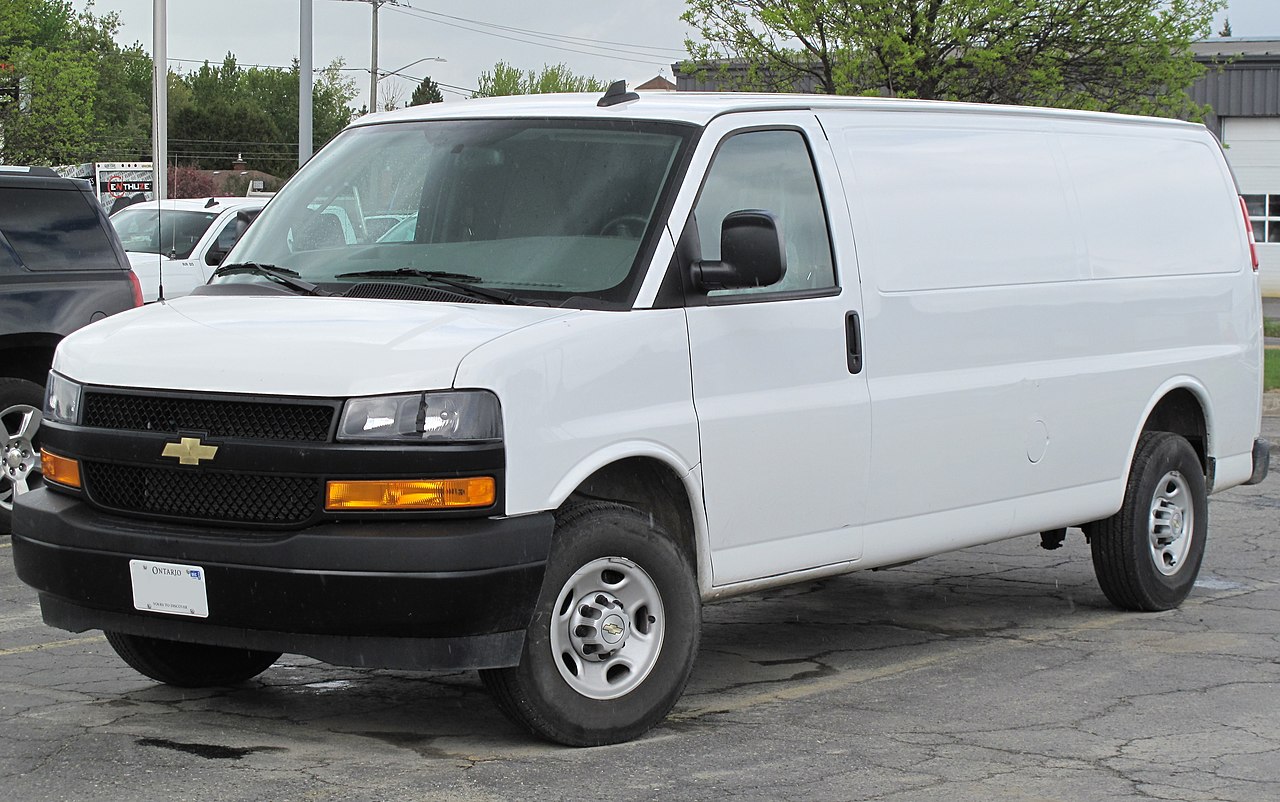
The Chevrolet Express is a full-size van manufactured by General Motors, offered in both passenger and cargo forms. Introduced for the mid-1990s model years, the Express has served as GM's primary large van platform for fleet, commercial and recreational uses. It is produced alongside a mechanically similar sibling, the GMC Savana, and both names are widely recognized in work, shuttle and upfit markets. For a general product overview see Chevrolet Express information and manufacturer context at General Motors.
Image gallery
10 Images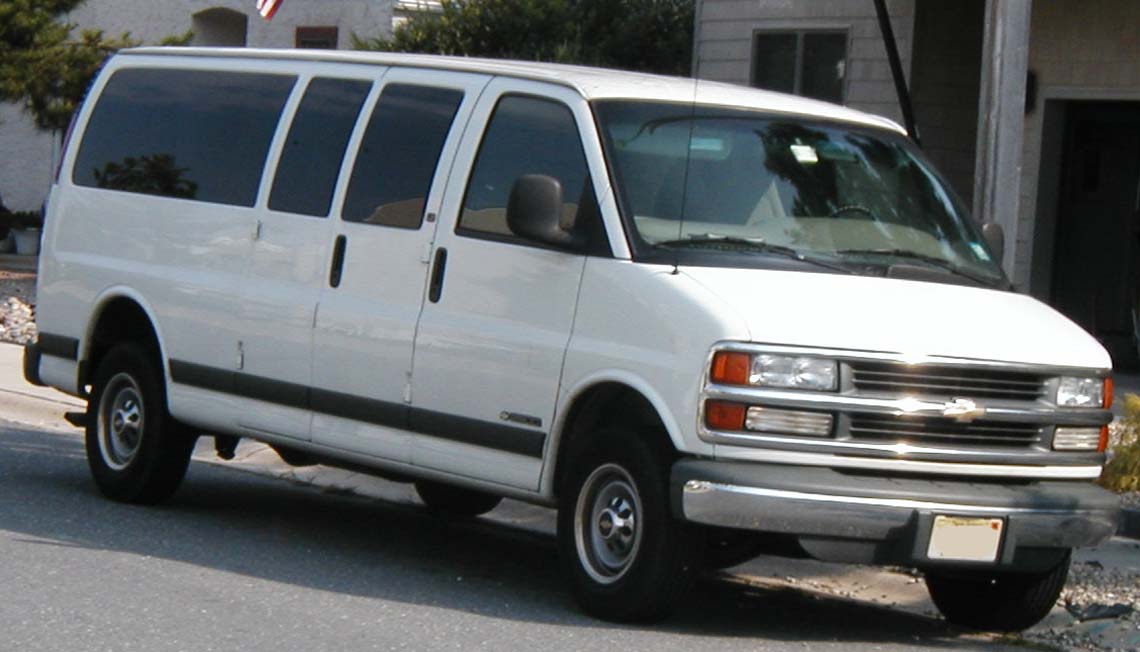



Design and mechanical characteristics
Built on a conventional body-on-frame layout, the Express is typically rear-wheel drive and available with a range of gasoline and diesel engines. The design emphasizes durability and easy servicing, with a straightforward interior layout that accommodates heavy use. Configurations include short- and extended-length bodies, multiple roof heights on some builds, and door options that vary between cargo and passenger versions.
Common configurations
- Passenger van: seating arrangements commonly span 8 to 15 occupants depending on trim and chassis.
- Cargo van: open rear for freight and equipment, often chosen by tradespeople and delivery services.
- Cutaway and chassis cab: supplied to body manufacturers for ambulances, box trucks, RV conversions and other specialty bodies.
- Upfitted variants: shelving, partitions, wheelchair lifts and towing packages are common aftermarket modifications.
History and development
The Express replaced earlier GM full-size vans in the 1990s and has been produced with relatively incremental updates rather than full redesigns, which helped maintain parts commonality and ease of conversion. Over time, safety and convenience features have been added, such as improved airbag systems, anti-lock brakes and optional electronic stability aids on later models. Its long production run has made it a familiar choice for fleet buyers and specialty converters who value a proven platform.
Uses, examples and importance
The Express is widely used by businesses, municipalities and individuals. Typical roles include passenger shuttles, church and school transport, courier and service vans, mobile workshops, ambulances, and recreational vehicles. Its adaptability for upfitting and the availability of cutaway chassis make it a versatile base for many vocational applications. For examples of commercial uses and fleet services, see commercial applications.
Distinctions and notable facts
While the Chevrolet Express and GMC Savana are mechanically similar, their branding and trim options differ to suit different buyer preferences. The Express is notable for its longevity in production and for retaining a traditional full-size van architecture at a time when some competitors introduced more car-like unibody vans. The model's widespread use in aftermarket conversion markets has produced a large support ecosystem for parts and modifications. For information on conversions and specialty bodies consult upfit and conversion resources.
Overall, the Chevrolet Express remains a workhorse in the full-size van segment, valued for its robustness, versality and the ease with which it can be adapted to many professional and recreational roles.
Tags
Related articles
Author
AlegsaOnline.com Chevrolet Express Leandro Alegsa
URL: https://en.alegsaonline.com/art/19414