
Chevrolet Cavalier: compact car produced 1982–2005
Overview of the Chevrolet Cavalier, a compact front-wheel-drive car produced by General Motors from 1982 to 2005: generations, body styles, safety record, market role and its successors.
Overview
The Chevrolet Cavalier was a compact passenger car marketed by Chevrolet (a division of General Motors) from 1982 until 2005. Designed as an affordable, fuel-efficient vehicle, the Cavalier was built on GM's J-platform and sold in multiple body styles over three commonly recognized generations. It was positioned beneath larger midsize models and was aimed at first-time buyers, commuters and fleet customers.
Image gallery
10 Images


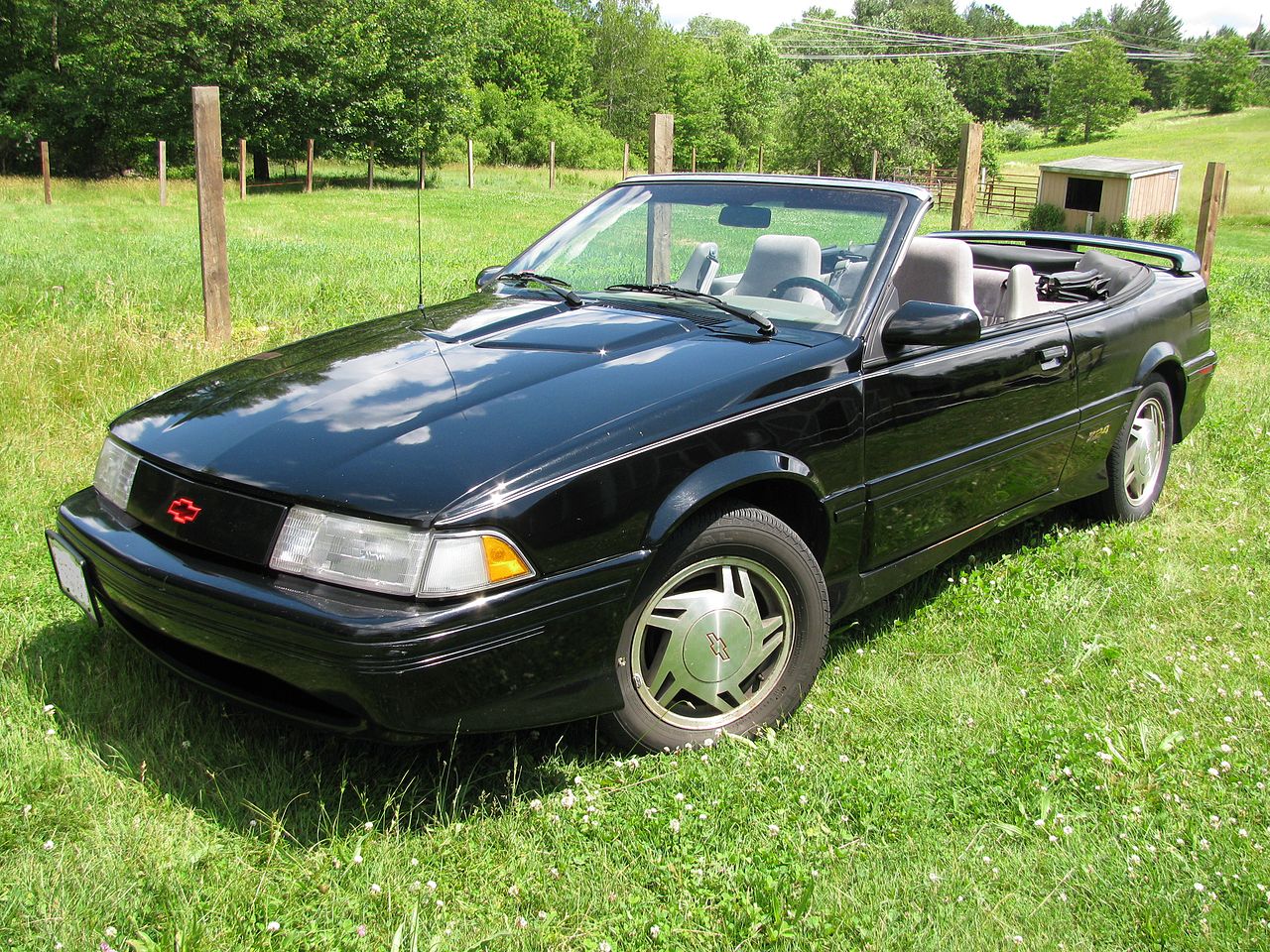


Design, body styles and mechanical characteristics
Throughout its production life the Cavalier underwent several redesigns and updates to styling and equipment; summaries of those changes are often grouped by generation and model year. Typical features included front-wheel drive, four-cylinder powerplants as the most common option, and a focus on compact dimensions and practicality. Manufacturers offered the Cavalier as a two-door coupe and four-door sedan, and a station wagon version remained available into the early 1990s.
- Platform: GM J-platform underpinned the Cavalier and its corporate siblings.
- Body styles: coupe, sedan and station wagon (wagon sold through 1994).
- Powertrains: mainly four-cylinder engines; later model years also offered higher-output options in some trims.
Design updates and trim changes were documented by dealers and owners; for general information about those revisions see discussions of the model's design updates.
History and development
The Cavalier appeared in the early 1980s as part of GM's response to a market shifting toward smaller cars. Over its run it shared mechanical and visual traits with related models from other GM divisions; one close counterpart was the Pontiac Sunbird, which itself evolved into the Pontiac Sunfire during the 1990s. For information about that lineage see the Pontiac Sunfire reference here.
Safety, criticism and replacement
In the mid-1990s the Cavalier was redesigned again; however, later model years received criticism on occupant protection. Independent testing organizations issued safety assessments that raised concerns. For example, assessments of frontal offset impacts gave poor ratings to some later-model Cavaliers, noting elevated risk of injury to the head, neck and legs in severe crashes; further context is available from the testing organization IIHS. Owners and consumer guides often cited safety improvements and optional features as important considerations when comparing used examples.
Market role and succession
The Cavalier served as a high-volume entry-level car for Chevrolet for more than two decades. As market expectations changed, GM replaced it with more modern compact models: in the U.S. the Chevrolet Cobalt took the Cavalier's place in the model lineup, while in other North American markets GM marketed successor models such as the Chevrolet Optra. Manufacturer information and replacement context are summarized in the manufacturer's materials on the successor model.
Notable distinctions and legacy
Beyond sales figures, the Cavalier is notable for its long production span, its role on the GM J-platform, and for illustrating how compact-car priorities—cost, fuel economy and packaging—evolved from the early 1980s into the 2000s. The Cavalier also shared architecture and marketing strategies with other GM compact cars; for details on related models and body variants see archived brochures and model guides such as the station wagon references here. For broader comparisons and technical summaries consult general resources and period reviews available from enthusiast and consumer sources (GM, design summaries).
Related articles
Author
AlegsaOnline.com Chevrolet Cavalier: compact car produced 1982–2005 Leandro Alegsa
URL: https://en.alegsaonline.com/art/19408