
Insurance Institute for Highway Safety (IIHS)
U.S. nonprofit that researches vehicle safety, conducts crash tests and issues widely used ratings and awards to reduce injuries, deaths and property damage on highways.
Overview
The Insurance Institute for Highway Safety (IIHS) is an independent, nonprofit research organization focused on reducing deaths, injuries and property loss from motor vehicle crashes. Funded mainly by automobile insurers, IIHS evaluates vehicles, safety equipment and road features to produce evidence-based information for consumers, manufacturers and policymakers. The institute's work is widely cited by news media, consumer guides and industry stakeholders and is intended to improve real-world safety outcomes.
Image gallery
7 Images



Testing and ratings
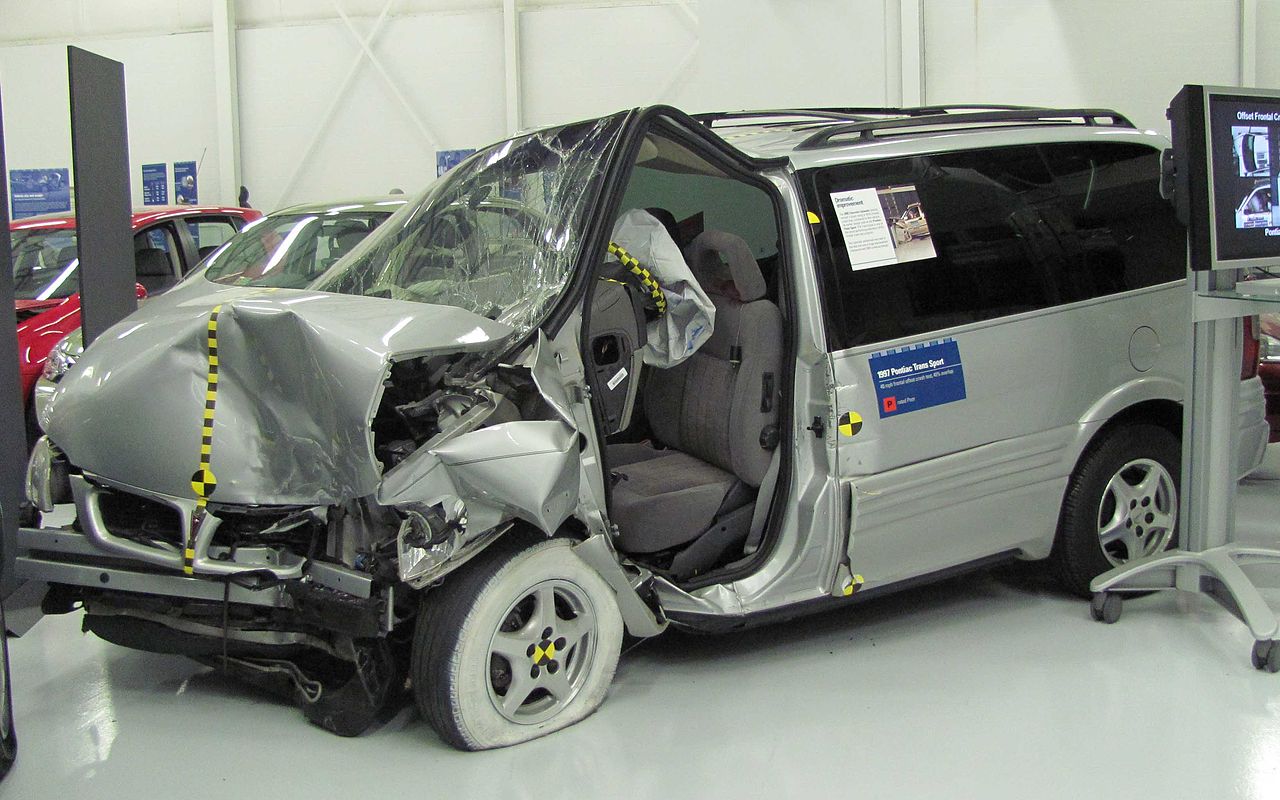
IIHS conducts a suite of laboratory and on-road evaluations. Its vehicle assessments examine how well passenger vehicles protect occupants and vulnerable road users in common crash scenarios and how effectively vehicle technologies prevent crashes. Major test categories include:
- Crashworthiness tests — small-overlap, moderate-overlap front, side impact, roof strength and head restraint evaluations.
- Crash avoidance and mitigation — performance of automatic emergency braking, forward collision warning and other driver‑assistance systems.
- Visibility and lighting — headlight performance and pedestrian-visible lighting.
- Child occupant protection — evaluations of child safety seats and installation ease.
Results are reported in consumer-friendly grades (for example, Good, Acceptable, Marginal, Poor) and through award programs such as industry-recognized safety picks that help buyers compare models.
History and organization
IIHS was established in 1959. It maintains a headquarters and research facilities in the Washington, D.C., area and has grown from a small laboratory into a multi-disciplinary institute with engineers, behavioral researchers and statisticians. The organization states that it is supported by a broad group of insurers; many of these companies contribute to institute funding as a way to improve public safety and reduce insurance losses. For information about funding sources see funding details, or location and contact information at headquarters.
Research, outreach and policy role
Beyond laboratory testing, IIHS analyzes crash data, studies roadway design, and examines driver behavior to identify effective countermeasures. It publishes peer-reviewed reports and plain-language summaries for the public. While the institute engages with legislators and regulators to explain research findings when asked, its bylaws distinguish educational outreach from direct lobbying; IIHS describes its role in policy discussions on pages such as mission and goals and organizational policy. Readers can find statements on advocacy and legal positions at governance.
Uses and importance
Consumers use IIHS ratings to compare vehicles for crash protection and collision-avoidance capabilities; manufacturers use test results to improve designs; insurers and fleet operators use findings to inform purchasing and premium decisions. IIHS research also informs roadway engineering and traffic safety countermeasures, such as improved intersections or speed-management strategies. For examples of vehicle and product evaluations see vehicle research and consumer product testing.
Notable facts and distinctions
IIHS is distinct from regulatory agencies: it does not set legally binding standards but influences safety through independent testing and public reporting. Its awards—often labeled "Top Safety Pick"—can affect market perception and manufacturer priorities. The institute's scope covers vehicles, restraint systems and elements of road design; for further information about specific programs and datasets consult pages such as highway safety objectives, road research and additional resources at related programs.
For readers seeking primary materials or technical reports, the institute's publications and data releases are available through official channels and selected summaries supplied to stakeholders and the media; details on outreach and data access are described at contact and publications and research overviews at funding and reports.
Questions and answers
Q: What is the Insurance Institute for Highway Safety?
A: The Insurance Institute for Highway Safety (IIHS) is a non-profit organization funded by at least 75 insurance companies. It was started in 1959 with its headquarters in Arlington, Virginia and its goal is to reduce deaths, injuries and property loss from automobile crashes on US highways.
Q: What does IIHS research and rate?
A: IIHS researches and rates popular passenger vehicles as well as certain consumer products such as child safety seats. It also conducts research on road design and traffic regulations.
Q: Does IIHS lobby lawmaking bodies to change laws?
A: According to their own bylaws, IIHS does not lobby the United States Congress or other lawmaking bodies to change laws. They instead educate lawmakers through invitation only.
Q: Where is the headquarters of IIHS located?
A: The headquarters of IIHS is located in Arlington, Virginia.
Q: When was IIHS established?
A: IIHS was established in 1959.
Q: How many insurance companies fund the organization?
A: At least 75 insurance companies fund the organization.
Related articles
Author
AlegsaOnline.com Insurance Institute for Highway Safety (IIHS) Leandro Alegsa
URL: https://en.alegsaonline.com/art/47524
Sources
- iihs.org : "About the Institutes"
- autotrader.com : "Crash Test Ratings: What's the Difference Between IIHS and NHTSA?"
- forbes.com : "Safest Cars For 2015 Announced By Insurance Institute For Highway Safety"
- cars.com : "Crash Tests: What You Need to Know"
- commons.wikimedia.org : Insurance Institute for Highway Safety