
Chesterfield and District Tramways Company
Summary of the Chesterfield tramway system: its role as a local public-transport network in Chesterfield, Derbyshire, its characteristics, historical development, and lasting legacy.
The Chesterfield and District Tramways Company operated a local tramway system in the market town of Chesterfield, located in Derbyshire. Like many municipal and private tram operators in Britain, the company provided fixed-route urban transport serving shoppers, workers and suburban residents. The network is historically significant as part of the broader development of short-distance public transit in provincial towns.
Image gallery
4 Images

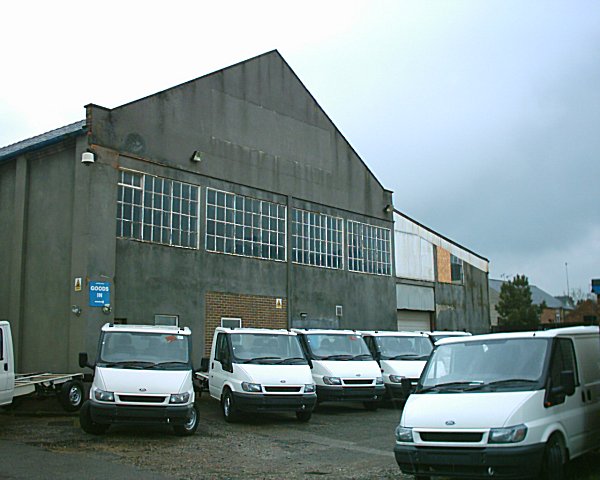

Overview
The company's tramway was a local public-transport enterprise that ran on set tracks and timetables. In general terms, such tramways connected central streets, railway stations and emerging residential districts. For small towns the tramway represented a modern, scheduled alternative to walking and horse-drawn conveyances, helping shape daily life and commercial patterns.
Characteristics
- Fixed rails laid in urban streets to define routes and stops.
- Rolling stock designed for short trips and frequent stops, seating both standing and seated passengers.
- Operational features typical of British tramways, such as depot facilities, maintenance workshops and ticketing arrangements.
- Integration with other local services: trams often linked with coaches, railways and later bus routes.
History and development
Tramways in Britain developed rapidly from the late 19th into the early 20th century. Companies like the Chesterfield and District Tramways Company appeared to satisfy growing local travel demand as towns expanded. While specific technologies and dates varied by town, many systems evolved alongside municipal improvements to streets and utilities. Over time, competition from buses and private motor vehicles, together with maintenance costs for track and vehicles, prompted many operators to curtail services or close.
Legacy and significance
Although the original tram services no longer operate, the Chesterfield tramway is remembered for its role in urban mobility and town development. Traces of tramway alignment sometimes survive in street patterns or reclaimed depot buildings. Enthusiast groups and local historians document routes, vehicles and company records to preserve collective memory. For readers interested in wider context, see a general entry on tramway systems and how they compare with later bus networks.
Notable distinctions: the Chesterfield system exemplifies a provincial British tramway rather than a large metropolitan network; its scale and operational focus were tailored to the needs of a market town rather than a large city. Its story illustrates the transition in public transport from rail-based street vehicles to the greater flexibility of road-borne buses.
Related articles
Author
AlegsaOnline.com Chesterfield and District Tramways Company Leandro Alegsa
URL: https://en.alegsaonline.com/art/19377