
Chevrolet Camaro — History, Design, and Performance
American pony car from Chevrolet introduced in 1967. Noted for sporty styling, V6 and V8 powertrains, multiple performance trims, a 2002–2010 hiatus, and ongoing cultural and motorsport presence.
Overview
The Chevrolet Camaro is a two-door American sports coupe and convertible introduced by Chevrolet in 1967. Built to compete in the emerging "pony car" segment, the Camaro combined aggressive styling with a range of powertrains and options to appeal to buyers seeking performance and style. Over several decades the Camaro has been offered in both everyday and high-performance configurations, and it has become an enduring nameplate in U.S. automotive culture.
Image gallery
10 Images




Design, layout, and common features
Camaro models typically feature a front-engine, rear-wheel-drive layout and are available with both V6 and V8 engines, depending on the generation and trim. Characteristic elements include a long hood, short rear deck, and a low, wide stance. Through its life the Camaro has been offered with manual and automatic transmissions, limited-slip differentials, sport-tuned suspensions, and performance braking packages for track-oriented versions.
Notable trims and performance variants
- RS — appearance and convenience package in many model years.
- SS — Super Sport performance variant with larger-displacement V8 engines.
- Z/28 and ZL1 — track-focused and high-output versions emphasizing handling and power.
- Special editions and factory racing packages (e.g., COPO or homologation models) have appeared intermittently.
History and development
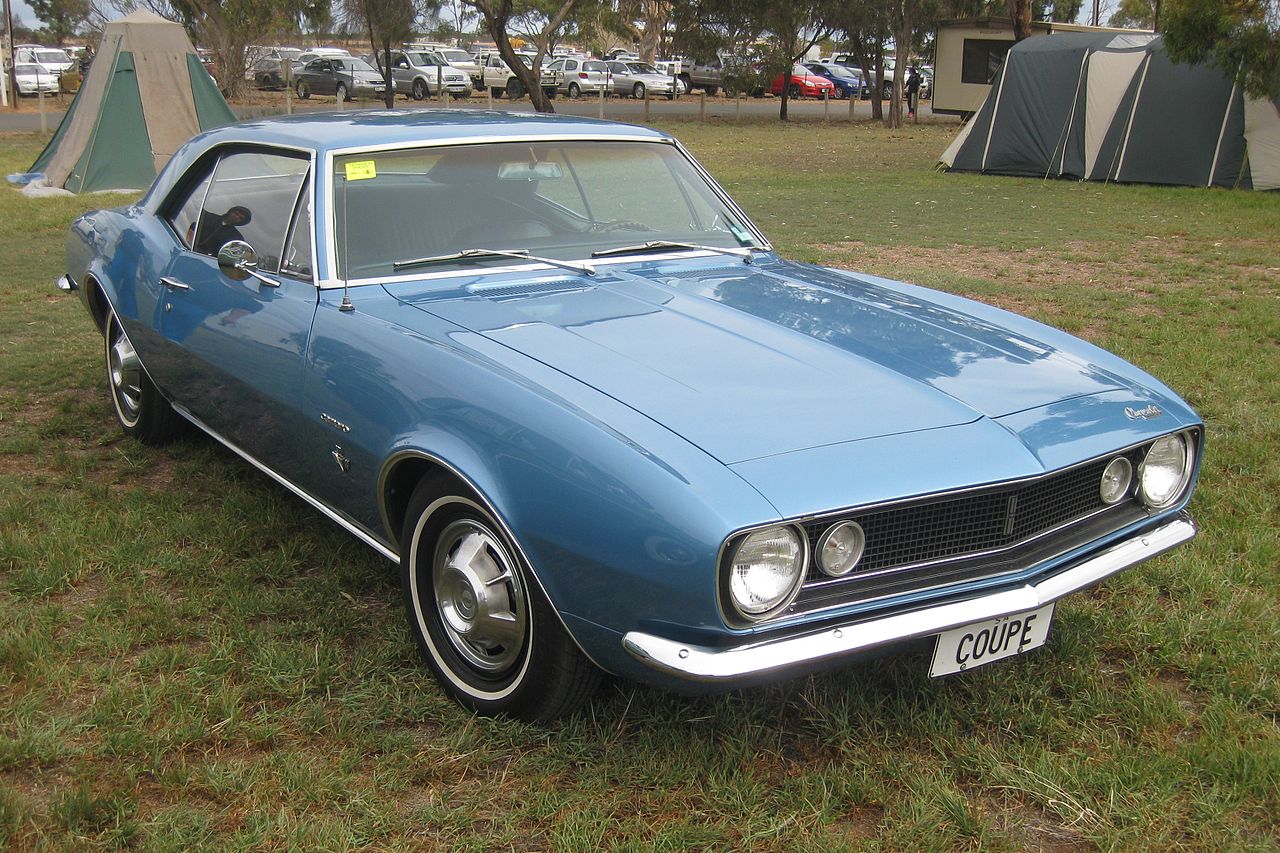
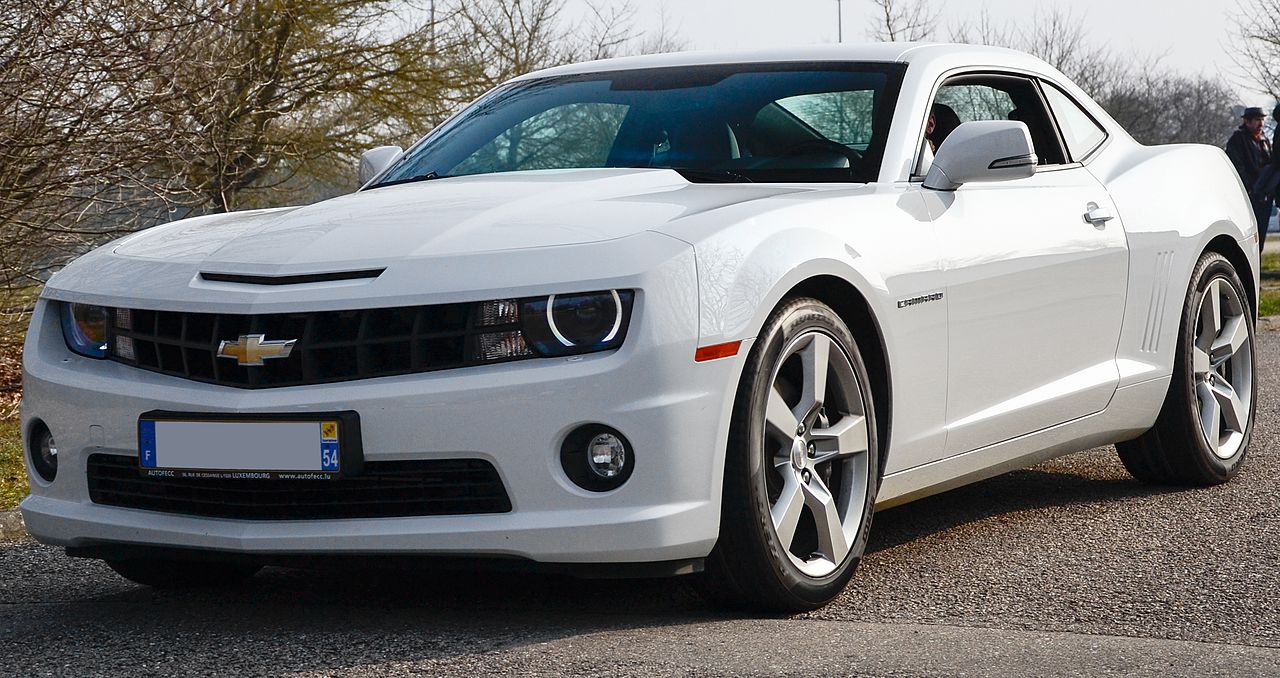
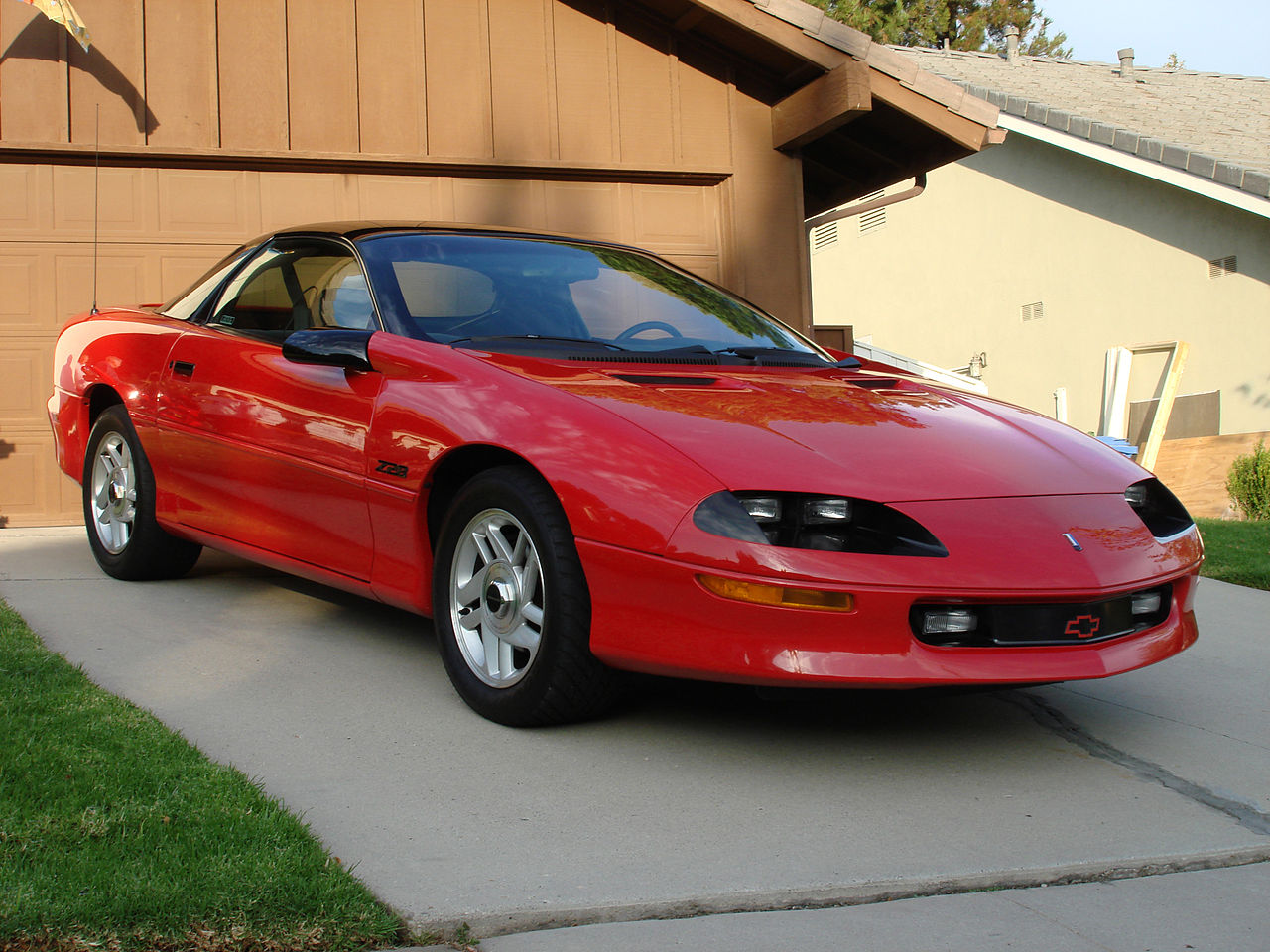
The Camaro debuted as Chevrolet's answer to the Ford Mustang, arriving in the late 1960s as part of a rapidly evolving market for compact personal sports cars. It has gone through multiple generations: the late-1960s first generation, a larger second generation in the 1970s, downsized and modernized third and fourth generations through the 1980s and 1990s, a full redesign that revived retro cues in 2010, and a modern sixth generation announced later in the 2010s. Production paused in 2002 and resumed in 2010, when the model returned with contemporary engineering and styling inspired in part by its heritage.
Production, engineering sources, and platform
Camaro assembly has shifted over time as General Motors reorganized facilities and global suppliers. In recent generations some body components and design input have come from GM's global operations; for example, the body shell for modern Camaros has been sourced from GM Korea (formerly GM Daewoo) as part of a broader international supply chain. The Camaro also shared development and platforms historically with the Pontiac Firebird until that marque was discontinued.
Uses, cultural importance, and notable facts
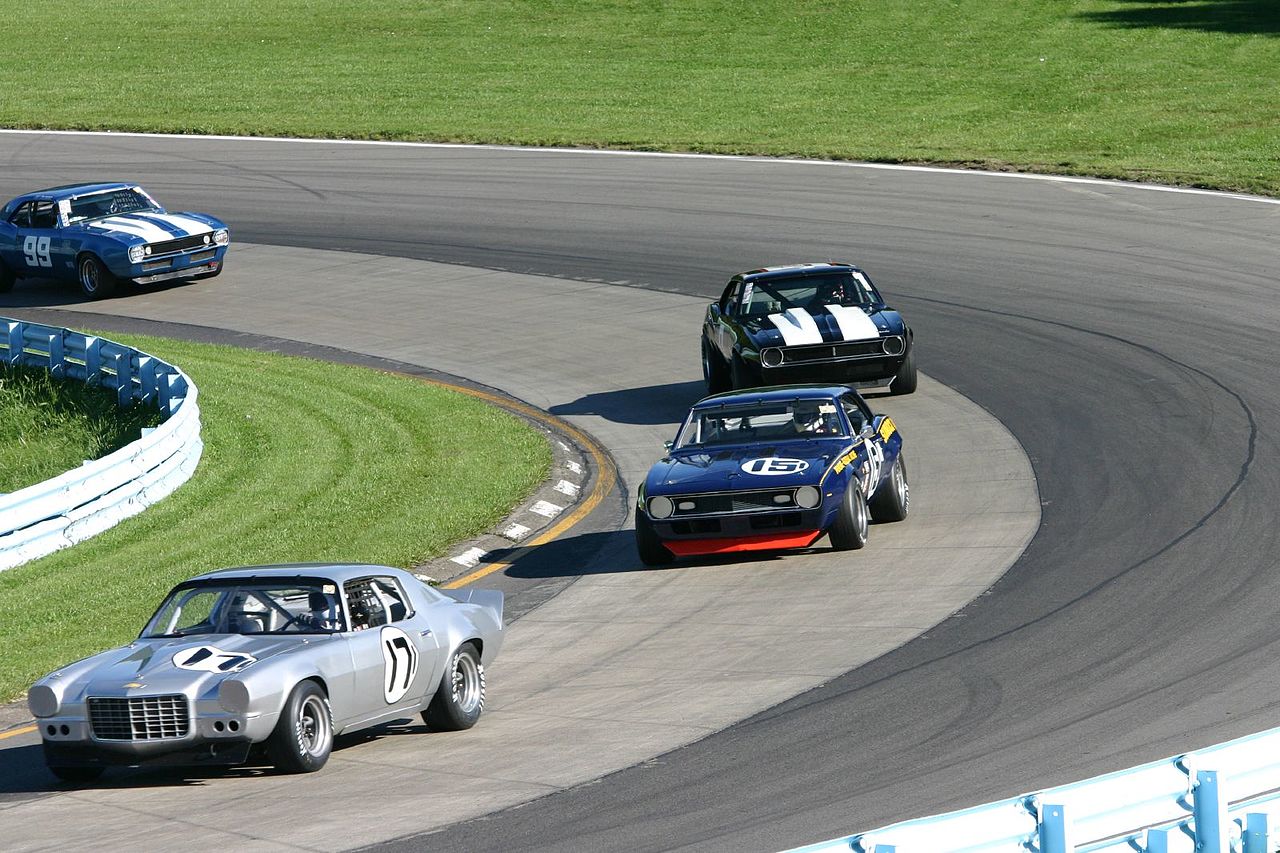
Beyond road use, Camaros have a presence in amateur and professional motorsport, including club racing, drag racing, and circuit competition. The model achieved broader popular recognition through appearances in film and television, contributing to its status among collectors and enthusiasts. Distinguishing features across generations include evolving safety and emissions regulations, shifting public tastes, and the balance between retro styling cues and modern performance technology. Today the Camaro remains a symbol of American performance coupes, valued for its variety of trims and its historical role in the pony car segment.

Construction Times
- 1966-1970: Chevrolet Camaro (1966)
- 1970-1981: Chevrolet Camaro (1970)
- 1982-1993: Chevrolet Camaro (1982)
- 1993-2002: Chevrolet Camaro (1993)
- 2002-2009: No Camaro offered
- 2009-2015: Chevrolet Camaro (2009)
- 2015 to date: Chevrolet Camaro (2015)
Building Series Gallery
· 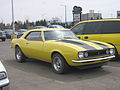
Chevrolet Camaro (1966)
· 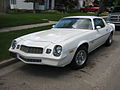
Chevrolet Camaro (1970)
· 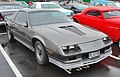
Chevrolet Camaro (1982)
· 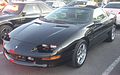
Chevrolet Camaro (1993)
· 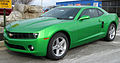
Chevrolet Camaro (2009)
· 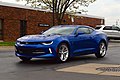
Chevrolet Camaro (2015)
Related articles
Author
AlegsaOnline.com Chevrolet Camaro — History, Design, and Performance Leandro Alegsa
URL: https://en.alegsaonline.com/art/19406
Sources
- commons.wikimedia.org : Chevrolet Camaro