
Chester city walls
The nearly complete defensive circuit encircling Chester, England, with Roman origins and medieval fabric; now a celebrated pedestrian walk featuring gates, towers and Victorian restorations.
The Chester city walls form a largely intact defensive circuit around the centre of Chester, a historic city in northwest England. Their origins reach back to the Roman fortress of Deva Victrix, founded in the late 1st century AD, and the line of the defences continued to be reused, rebuilt and extended through the medieval and post-medieval periods. Today the walls are valued for their archaeological interest and as a public promenade.
Image gallery
9 Images



Characteristics
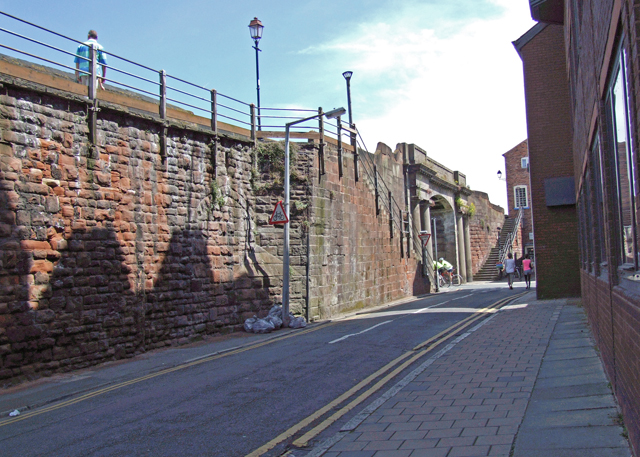
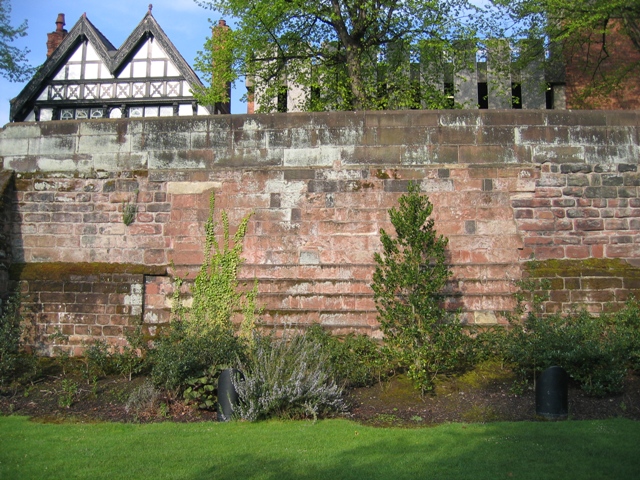
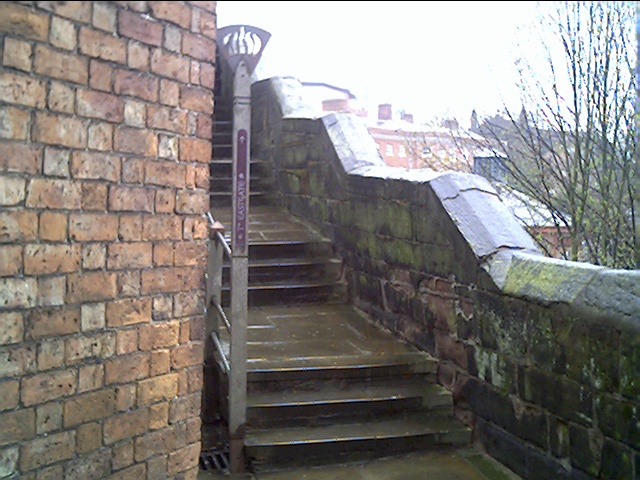
Constructed from local sandstone, the walls include curtain sections, gatehouses, towers and bastions. Surviving features show layers of work: Roman masonry and foundations at lower levels, medieval rebuilds, and later repairs and Victorian restorations. Prominent gateways mark the circuit — including the rebuilt Eastgate with its ornate late 19th-century clock — and several towers overlook the River Dee and streets below.
History and development
Initially the perimeter defended the Roman fort and adjacent civilian settlement. After the Roman withdrawal, the line remained an important defence and was maintained and modified by successive communities in the Saxon and medieval eras. The medieval town walls were heightened and strengthened in response to the political and military needs of the period. In the 18th and 19th centuries parts of the circuit were restored and adapted for pedestrian use.
Uses and significance
Rather than serving as a military barrier today, the walls function as a continuous elevated walkway that gives visitors panoramic views of the city and river. They are a cultural landmark, a focus for local identity and conservation efforts, and a major visitor attraction. Guided walks and interpretation panels help explain the layers of history visible in the masonry.
Visiting and notable facts
- The full circuit is roughly two miles in length and can be followed on foot in stages.
- Key points of interest include several medieval towers, the Eastgate and its clock, and riverside stretches.
- Conservation work is ongoing to protect the fabric from weathering and modern pressures.
For more detailed background on the walls' archaeology and preservation, see local guides and heritage sites: Chester city walls overview, information about the city's broader history: England historic context, and specific resources about Chester itself: Chester city information.
Related articles
Author
AlegsaOnline.com Chester city walls Leandro Alegsa
URL: https://en.alegsaonline.com/art/19355