
Chérisy — commune in Pas-de-Calais, northern France
Chérisy is a small rural commune in the Pas-de-Calais department of northern France. It has agricultural roots, local civic institutions, and a history shaped by modern conflicts and reconstruction.
Chérisy is a small French commune (commune) located in the historic region of Nord-Pas-de-Calais and today administratively within the larger area often associated with Hauts-de-France. It lies in the Pas-de-Calais department, in the north of the country, and is part of France's dense patchwork of rural municipalities (department administration links) and local services (regional map).
Image gallery
2 Images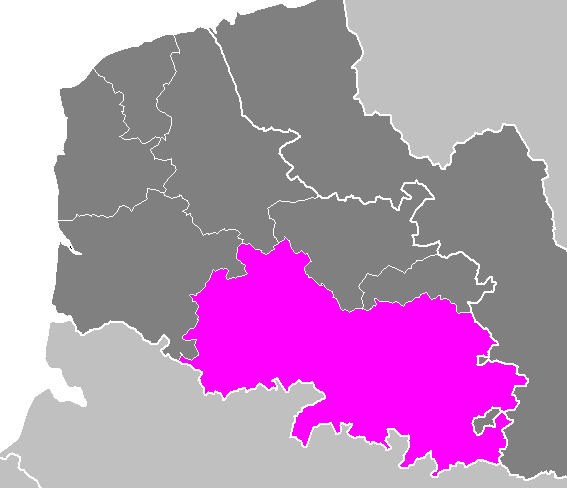

Overview and characteristics
Chérisy is typical of many small northern French villages: modest in population, dominated by agricultural land and hedged fields, and organized around a mairie (town hall), a parish church, and local roads that link it to nearby towns. Housing is a mix of traditional farmhouses and twentieth-century rebuilding. The commune has its own municipal council responsible for local services, planning, and community life.
History and development
The settlement has medieval origins like many places in the region, developing as an agricultural community. In the twentieth century Chérisy experienced the upheavals common to northern France: economic change, wartime damage, and subsequent reconstruction. The village and surrounding countryside witnessed military activity in modern conflicts, and elements of that past — memorials, preserved burial grounds and remembrance sites — remain part of the local landscape.
Landmarks and community life
Key features of Chérisy are its village church, the mairie, and war memorials that record local and national history. Community life centers on seasonal agricultural rhythms, local associations, and municipal events. Services such as schools, shops and healthcare are often shared with neighboring communes and small towns within the department.
Economy, access and importance
The economy is principally agricultural, with fields, pastures and small-scale farms contributing to the local livelihood. Proximity to larger urban centers provides additional employment opportunities and access to transportation networks. For visitors and researchers Chérisy illustrates rural settlement patterns of northern France and the layers of history visible in small communes.
Notable distinctions
- Represents the French communal administrative system on a local scale.
- Reflects broader regional history, including nineteenth- and twentieth-century changes.
- Maintains local memorials and community structures that preserve collective memory.
Related articles
Author
AlegsaOnline.com Chérisy — commune in Pas-de-Calais, northern France Leandro Alegsa
URL: https://en.alegsaonline.com/art/19264