
Chelyabinsk — industrial regional center on the Europe–Asia boundary
Chelyabinsk is a major industrial city in the southern Urals of Russia, an administrative center with a long manufacturing history and international attention after the 2013 meteor airburst.
Overview
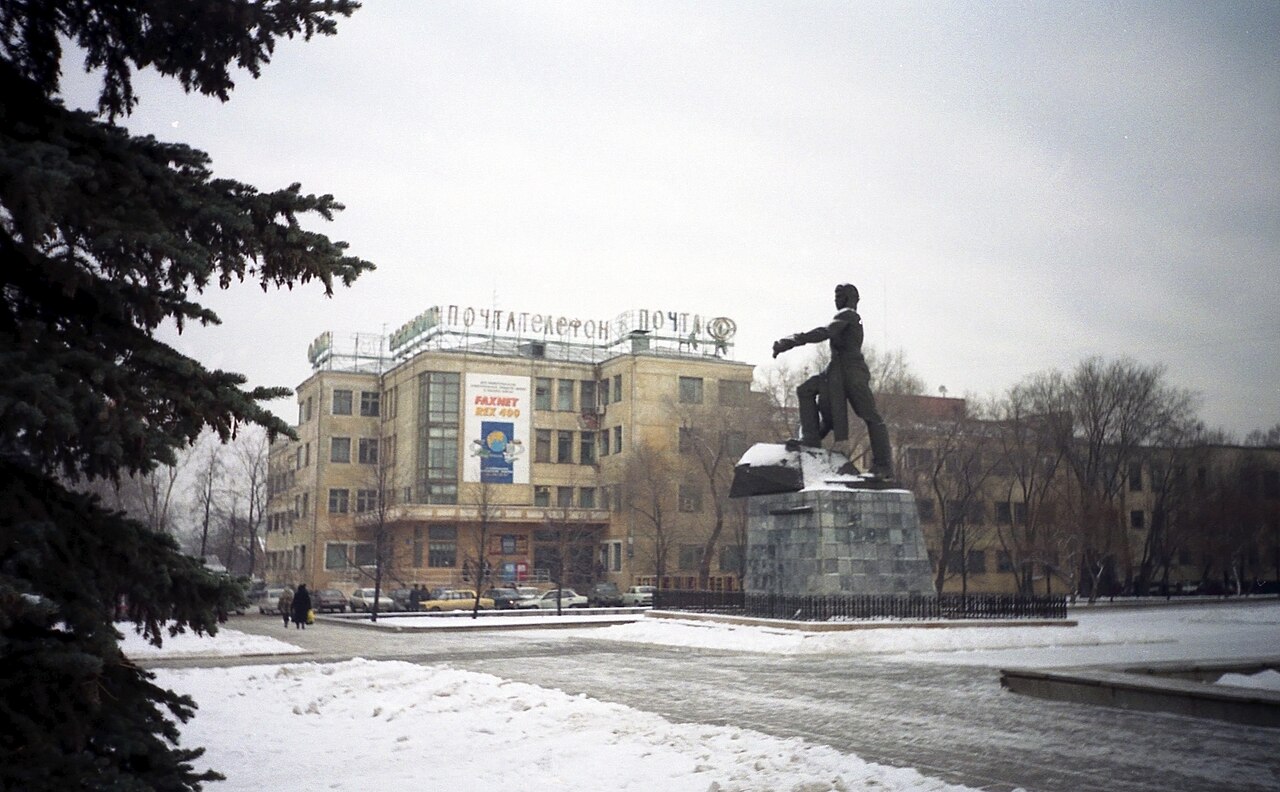
Chelyabinsk is a large city in the southern Ural region of Russia, located on the Miass River at the eastern foothills of the Ural Mountains. It serves as the administrative center of Chelyabinsk Oblast and sits close to the traditional boundary between Europe and Asia. Founded in the 18th century as a fortress and trading outpost, the city expanded into a major industrial and transport hub and today is home to over one million residents.
Image gallery
10 Images




Geography and climate
Chelyabinsk occupies a river valley and plain area east of the Ural ridge, which influences its continental climate: cold, snowy winters and warm summers. The location made it a natural crossroads between European and Asian parts of the Russian state, with routes for rail and road traffic that link central Russia to Siberia and Central Asia.
History and development
The settlement grew from an 18th‑century military and customs post into an industrial city during the 19th and 20th centuries. Rapid expansion occurred in the Soviet era when heavy industry, metallurgy and machine‑building plants were established. During World War II, production moved eastward and Chelyabinsk became an important center of military manufacturing, earning a reputation as a major industrial city in the Urals.
Economy and infrastructure
Chelyabinsk's economy is dominated by metallurgy, mechanical engineering, defense-related manufacturing and energy. The city is served by regional highways, railway connections that link to the Trans‑Siberian corridor, and an international airport that connects the region to other Russian cities. Educational and research institutions support applied engineering and technical training.
Notable event: 2013 meteor airburst
On 15 February 2013 a near‑Earth meteoroid entered the atmosphere above the Ural region and produced a powerful airburst that was widely recorded and reported. The shock wave shattered windows and caused injuries in Chelyabinsk and surrounding areas, drawing global scientific and public attention to near‑Earth object hazards and atmospheric fragmentation processes.
Culture and modern city life
Contemporary Chelyabinsk combines industrial districts with cultural institutions such as theaters, museums and universities. Parks, sports facilities and civic projects aim to improve urban living quality while the city maintains its role as a regional administrative and economic center.
Quick facts
- Administrative region: Chelyabinsk Oblast.
- Country: Russia.
- Geographic landmark: near the Ural Mountains and the Europe–Asia boundary (Europe / Asia).
Related articles
Author
AlegsaOnline.com Chelyabinsk — industrial regional center on the Europe–Asia boundary Leandro Alegsa
URL: https://en.alegsaonline.com/art/19157
Sources
- investinural.com : "Invest in Ural"
- hosted.ap.org : "400 INJURED BY METEORITE FALLS IN RUSSIAN URALS"