
Chianti — Tuscan red wine, regions, styles and history
Chianti is a collection of red wines produced in Tuscany. This article explains its grapes, styles, historical development, main subregions, labeling terms and typical food pairings.
Overview
Chianti refers to a family of Italian red wines made in a historic area of Tuscany. The name denotes both a geographic zone and a variety of production styles, ranging from everyday table wine to more structured, ageworthy bottles.
Image gallery
10 Images


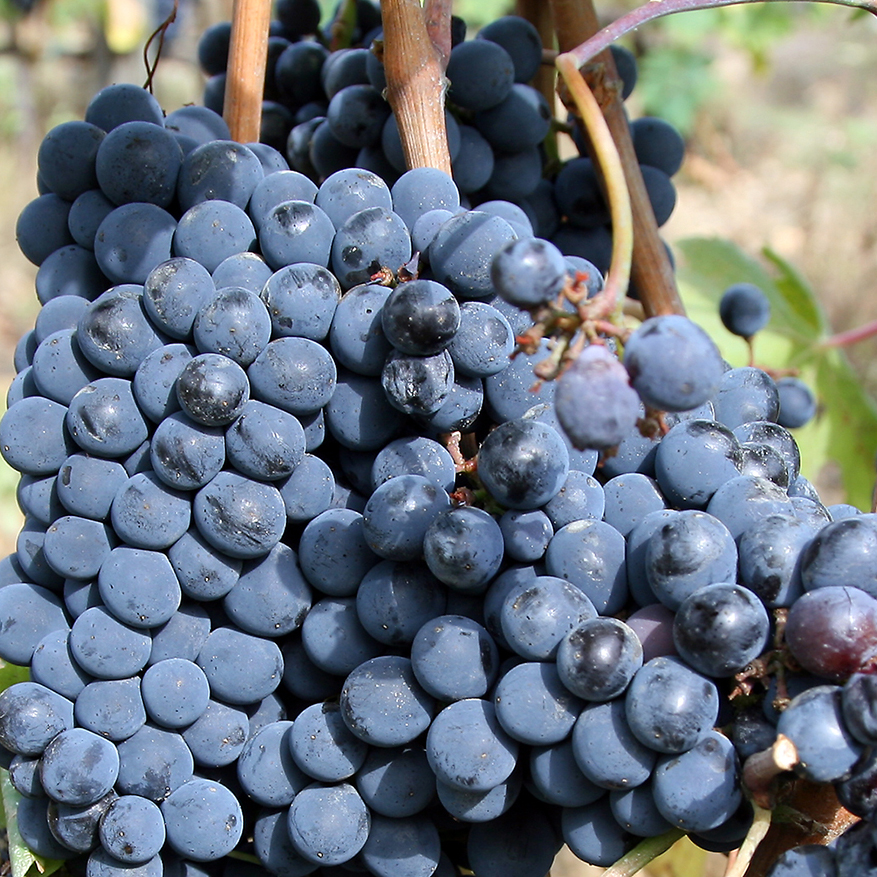


Grapes and characteristics
The principal grape used in Chianti is Sangiovese, which typically gives bright cherry and plum fruit, with savory, earthy and sometimes floral notes. Styles vary: light, fresh wines for early drinking; mid-weight wines with oak influence; and more concentrated renditions intended for extended aging. Common descriptors include red fruit, tomato leaf, leather and mineral tones.
History and regulation
Chianti has centuries of winemaking history. Over time legal definitions evolved into modern appellations and quality controls that regulate permitted grapes, yields and aging. While older, traditional blends often included small amounts of white grapes, contemporary quality-focused Chianti tends to emphasize Sangiovese and stricter production rules. Iconic packaging such as the straw-wrapped "fiasco" bottle is historically associated with Chianti, though most wines are now bottled in contemporary glass.
Subregions and notable zones
The Chianti area spans multiple provinces; notable names and subzones identify local character. Major provinces within the Chianti districts include:
The central and best-known subzone is Chianti Classico, the historic land between Florence and Siena, which is often distinguished on labels by a black rooster emblem.
Labels, terms and aging
Label terms commonly seen include "Chianti" followed by a subzone name, "Chianti Classico," and qualifiers such as Riserva or higher-tier designations. Those terms indicate longer aging or stricter selection. Some producers also use proprietary names for single-vineyard or special cuvées.
Food and cultural importance
Chianti pairs naturally with many Italian dishes—tomato-based pasta, grilled meats, aged cheeses and rustic regional cuisine. Beyond gastronomy, Chianti has played a prominent role in Italy's wine identity and in popular perceptions of Tuscan food culture.
For further reference on styles, regulations and specific producers consult regional guides and wine authorities (overview, Tuscany resources).
Tags
Related articles
Author
AlegsaOnline.com Chianti — Tuscan red wine, regions, styles and history Leandro Alegsa
URL: https://en.alegsaonline.com/art/19478