
Al-Farabi: Medieval Islamic Philosopher and Polymath
Al-Farabi (c. 872–950/951) was a leading philosopher, logician and music theorist of the medieval Islamic world, known for reconciling Greek philosophy with Islamic thought and for works on politics, logic, and music.
Al-Farabi (Arabic: Abū Naṣr Muḥammad al-Fārābī; known in Latin as Alpharabius) was a prominent philosopher and polymath of the medieval Islamic world. Born around 872 in the town of Fārāb in Central Asia, he lived and worked in several cultural centers and died in Damascus (Damascus) around 950–951. He is often described as a philosopher, logician, cosmologist, and musician, and sometimes characterized more broadly as a scientist of his age (scientist).
Image gallery
6 Images

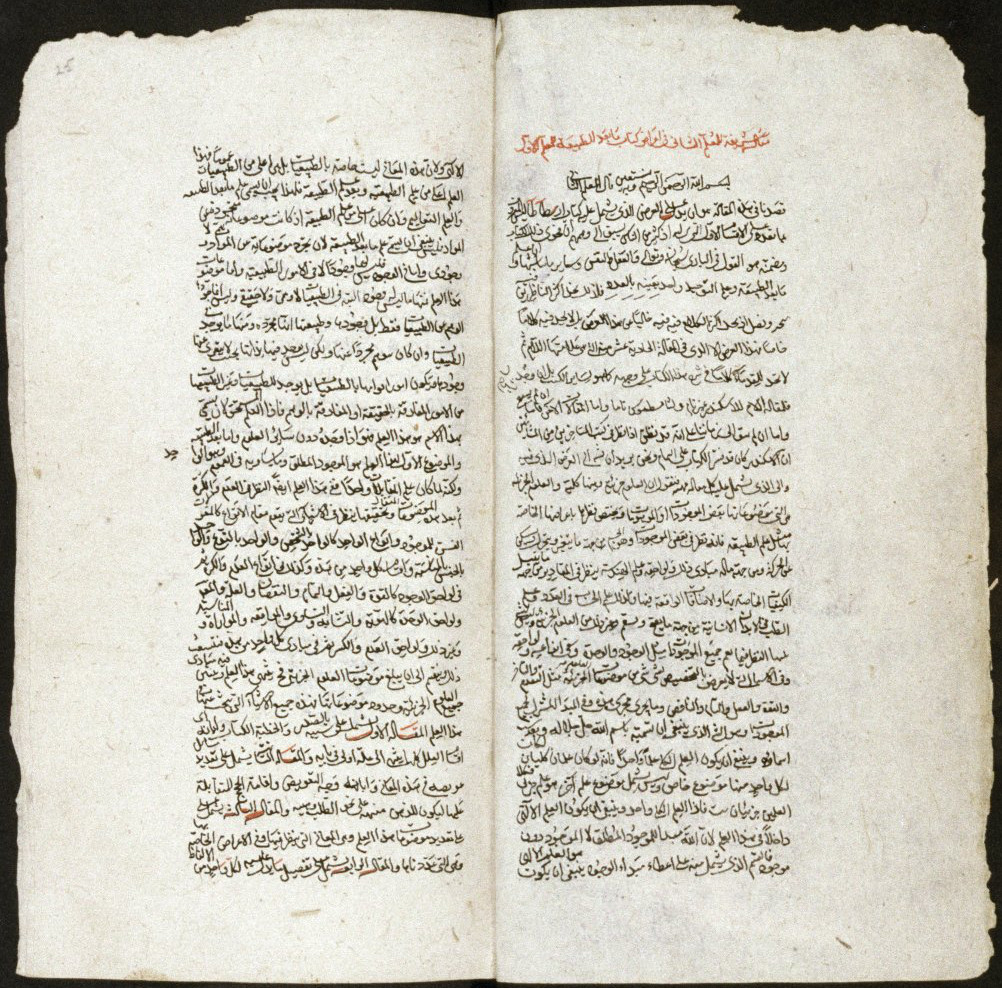


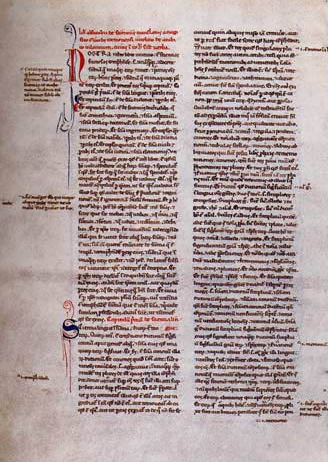
Overview and intellectual context
Al-Farabi stands among the early figures who transmitted and interpreted the philosophical heritage of ancient Greece—especially Plato and Aristotle—for the Arabic-speaking world. Writing in Arabic, he sought to harmonize rational philosophy with religious thought, helping to establish a tradition that later thinkers such as Avicenna and Averroes would inherit. He is frequently called the "Second Teacher" in recognition of his role following Aristotle.
Main themes and works
Al-Farabi wrote on a wide range of subjects. His surviving corpus includes treatises on logic and language, metaphysics, political philosophy, cosmology, and musical theory. Notable themes include:
- Logic and epistemology: He composed systematic works that reorganized Aristotelian logic for Arabic readers and developed theories of demonstration and definition.
- Political philosophy: In works such as his treatise on the virtuous city, he analysed the qualities of ideal rulership and the role of philosophy in public life.
- Metaphysics and cosmology: He articulated a hierarchical model of intellects and the emanation of the world, blending Neoplatonic and Aristotelian elements.
- Music and psychology: Al-Farabi produced detailed studies of musical intervals, instruments and the psychological effects of music, writing one of the most influential medieval treatises on music (music).
Historical influence and legacy
Al-Farabi's syntheses shaped the development of philosophy in the Islamic world (Islamic world) and affected medieval Latin scholasticism after translations circulated in the West. His commentaries on Aristotle and his original treatises provided a framework that bridged philosophical inquiry, religious considerations, and scientific observation. Later philosophers debated and built on his accounts of intellect, prophecy, and the ideal political community.
Notable facts and distinctions
- His epithet refers to his birthplace, Fārāb, not a family name; medieval sources variously describe his ethnic background.
- He is credited with introducing systematic logic and parts of Aristotelian methodology into Arabic philosophical discourse.
- His writings on music combine technical analysis with an interest in ethical and therapeutic effects of sound.
Although many details of his life remain uncertain, Al-Farabi's works continue to be studied for their role in connecting ancient philosophy to the intellectual traditions of the Middle Ages and for their influence on later Islamic and European thought.
Related articles
Author
AlegsaOnline.com Al-Farabi: Medieval Islamic Philosopher and Polymath Leandro Alegsa
URL: https://en.alegsaonline.com/art/1867
Sources
- iranicaonline.org : iranicaonline.org/articles/farabi-i
- islamsci.mcgill.ca : "Fārābī: Abū Naṣr Muḥammad ibn Muḥammad ibn Tarkhān al‐Fārābī"
- islamsci.mcgill.ca : PDF version