
Al Hirschfeld
Al Hirschfeld (1903–2003) was an American caricaturist and illustrator celebrated for his elegant line drawings of actors and public figures and for hiding the name “NINA” in many works.
Overview
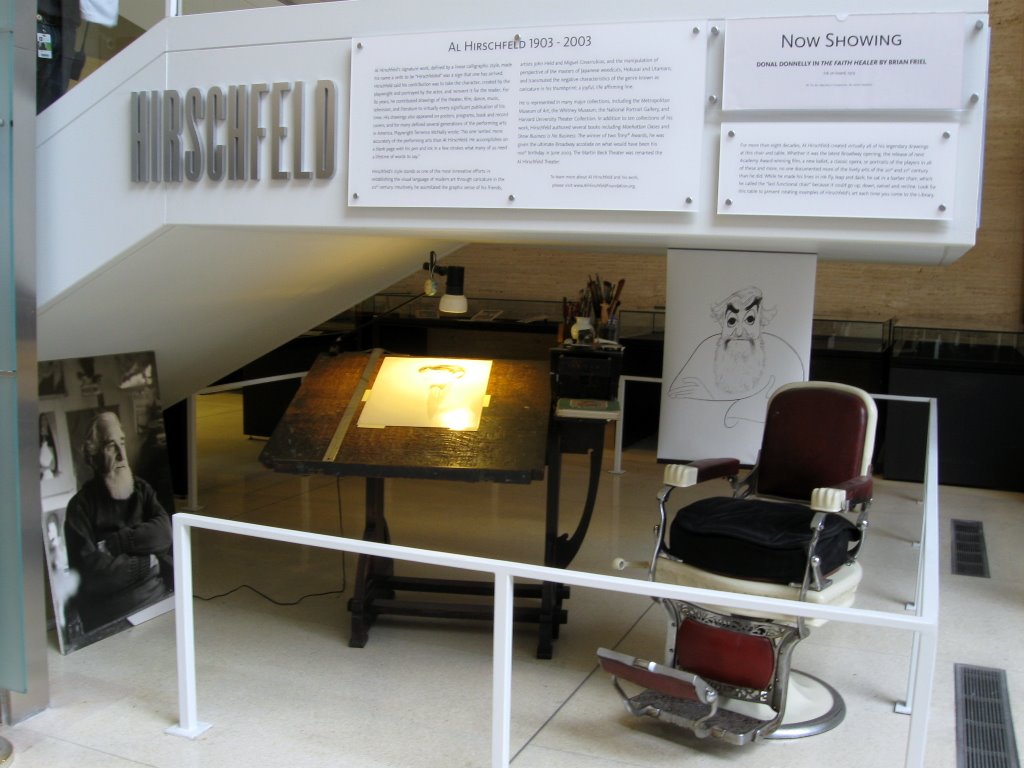
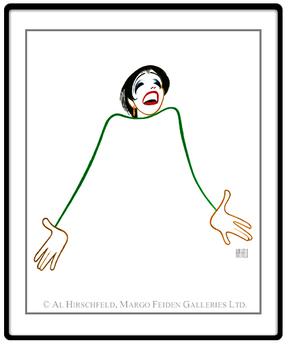
Al Hirschfeld (June 21, 1903 – January 20, 2003) was an American cartoonist and illustrator whose career spanned most of the 20th century. He became best known for fluid, economical caricatures of actors, musicians and public figures that captured personality with a few confident lines. His drawings appeared widely in newspapers and magazines and became a recognizable part of theatrical and popular culture.
Image gallery
6 Images



Style and signature features
Hirschfeld prized simplicity and rhythm in line work. Rather than detailed shading, he used sweeping outlines and selective detail to suggest movement and expression. A playful hallmark of his work was the hidden inscription of the name "Nina" — a personal motif he incorporated into many drawings as a visual easter egg. That repeating device, along with a clear signature, made his pieces instantly identifiable.
Career and development
Over decades Hirschfeld adapted his technique to portraits, stage scenes and group compositions, expanding from single-figure caricatures to complex ensemble illustrations. He worked for a variety of periodicals and theatrical publications, producing weekly and occasional pieces that chronicled performing arts trends. His approach combined fine draftsmanship with an eye for timing and personality.
Legacy and influence
Hirschfeld's work influenced graphic artists and cartoonists by demonstrating how economy of line can convey character as effectively as realism. His drawings are often reproduced in histories of theatre and illustration and have been displayed in exhibitions and collected in books. For readers seeking more information, see resources on his life and work: biographies and collections, illustration retrospectives, and archival listings at major libraries and museums.
- Notable facts: long professional span across the 20th century, signature hidden "Nina" motif, celebrated for minimalist expressive line.
- Uses: theater promotion, magazine profiles, and books that document performers and entertainment history.
Hirschfeld remains a reference point for caricature and theatrical illustration: his drawings are studied for compositional clarity, economical mark-making and the way a few strokes can define a person. For collectors and students of graphic arts, his body of work offers lessons in restraint and wit.
Related articles
Author
AlegsaOnline.com Al Hirschfeld Leandro Alegsa
URL: https://en.alegsaonline.com/art/1872