
Chandragupta Maurya — founder of the Maurya state
Chandragupta Maurya (c. 4th–3rd century BCE) founded the Maurya Empire in northern India, unified large territories, worked with adviser Chanakya, negotiated with Hellenistic rulers, and is linked to later Jain traditions.
Overview
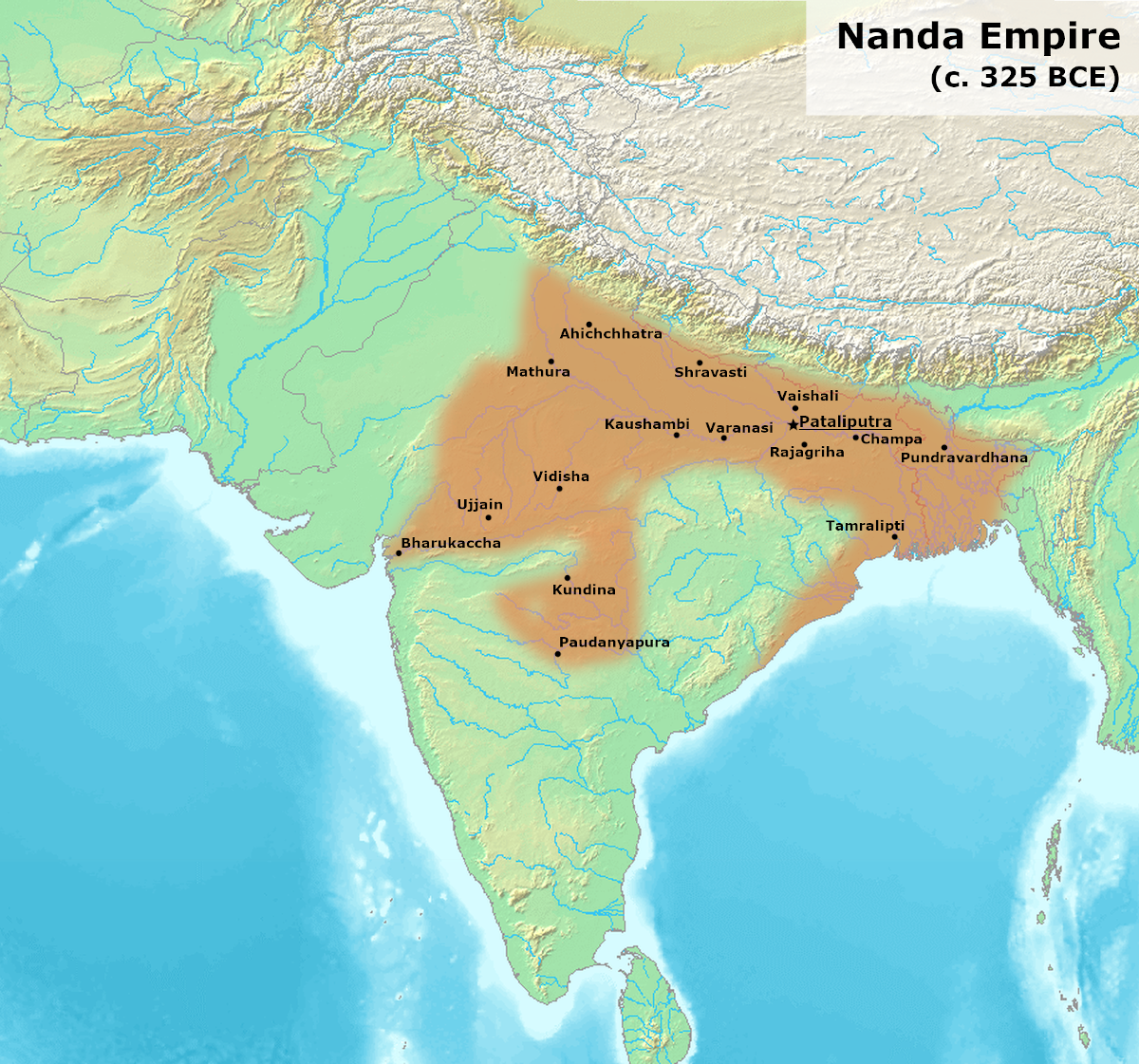
Chandragupta Maurya was the founder of the Maurya dynasty and the architect of one of the first large, centralized states on the Indian subcontinent. Rising in the decades after Alexander the Great's campaigns, he established a polity based at Pataliputra (near modern Patna) that brought many separate kingdoms and principalities under a single administration. His life intersects political, military and religious traditions; the core narrative places him as a student and ally of the political strategist Chanakya (also called Kautilya), whose treatise the Arthashastra is commonly associated with Mauryan statecraft.
Image gallery
10 Images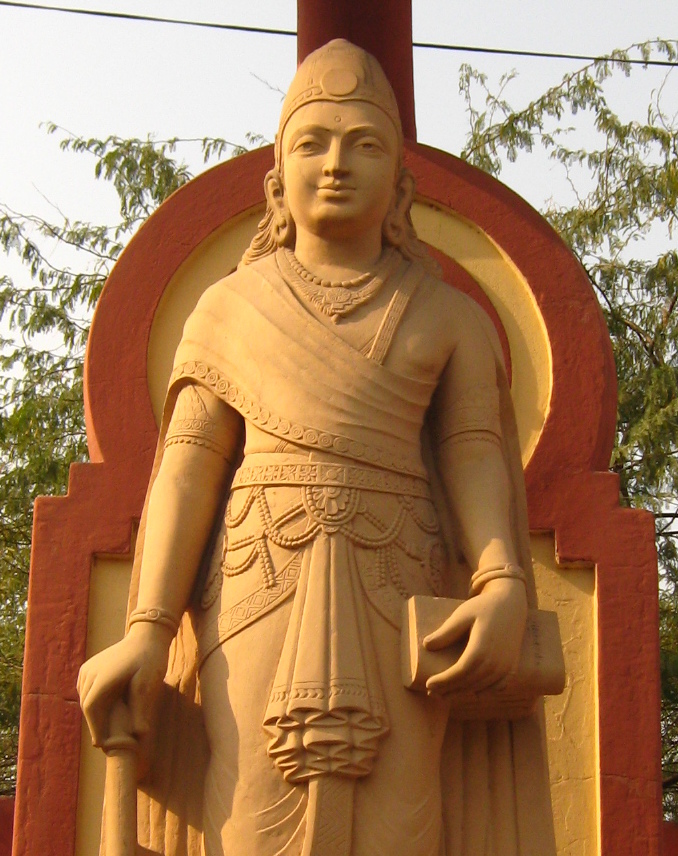




Rise to power
Sources describe Chandragupta as coming from a modest background; with Chanakya's guidance he organized military forces and displaced the preceding rulers in the Gangetic plain. This process of consolidation likely involved both warfare and negotiated submission of local rulers. By bringing the rich agricultural lands of the Ganges basin under single control, he created the economic foundation for sustained central administration, standing armies, and public works.
Reign and administration
Chandragupta's government is remembered for its scale and organization. Contemporary and later accounts emphasize a strong central authority, a network of provincial governors, officials charged with revenue, justice and public order, and a sizeable army. The administration favored standardized processes for taxation and land revenue, and encouraged trade and urban growth. Pataliputra served as the imperial capital and administrative hub.
Relations with the Hellenistic world
After Alexander's successors established Hellenistic satraps in west and northwest South Asia, Chandragupta expanded into territories formerly under those satraps and negotiated directly with Hellenistic rulers. One prominent account records a diplomatic settlement and treaty with Seleucus I Nicator, a successor king from the Macedonian world, in which both sides made territorial concessions and exchanged gifts. These interactions took place amid the fragmented successor states established after Alexander the Great's campaigns and involved dealings with several Hellenistic satraps.
Cultural and religious context
Chandragupta's court and policies reflect a plural society of many languages, beliefs and administrative practices. Classical Indian narratives and later religious traditions record that in his final years Chandragupta adopted ascetic practices associated with the Jain tradition. Jain sources say he renounced political power, traveled south, and observed severe fasting. According to these accounts, he died at Shravanabelagola (in present-day Karnataka), a site long venerated in South Indian histories. These end-of-life details are part of religious histories and are treated cautiously by modern historians, who compare them with contemporary inscriptions and external records.
Legacy
Chandragupta established the polity that his grandson Ashoka would later enlarge and transform into an empire with lasting administrative and cultural effects. The state structures, imperial capital, and patterns of centralized rule that began under Chandragupta are often grouped under the broader term Maurya Empire. His cooperation with the strategist Chanakya is remembered as a formative partnership in South Asian political thought, and the story of his rise from modest origins to imperial founder remains a prominent example in the region's historical memory.
Notable facts and distinctions
- Chandragupta is credited with unifying much of northern and central India into a single state for the first time in recorded history.
- His reign marked an early example in South Asia of sophisticated bureaucracy and imperial taxation drawn from the fertile Gangetic plain.
- Contacts with the Hellenistic world led to diplomatic exchanges and the transfer of military technologies and animals; these contacts situate early India within wider Mediterranean–Asian networks.
- Stories of his conversion and death are principally preserved in Jain texts and later traditions; modern scholarship treats these narratives as valuable cultural sources that require corroboration from material and epigraphic evidence.
For further context on the polity Chandragupta founded, its institutions and later rulers, consult specialized works on the Maurya Empire and studies of Hellenistic–Indian relations that discuss treaties with figures such as Seleucus I and the aftermath of Alexander the Great's campaigns. Additional perspectives on Chandragupta's life and religious affiliations can be explored through sources connected to the Jain tradition and archaeological research at sites like Shravanabelagola.
Related articles
Author
AlegsaOnline.com Chandragupta Maurya — founder of the Maurya state Leandro Alegsa
URL: https://en.alegsaonline.com/art/18529