
Seleucus I Nicator — founder of the Seleucid realm
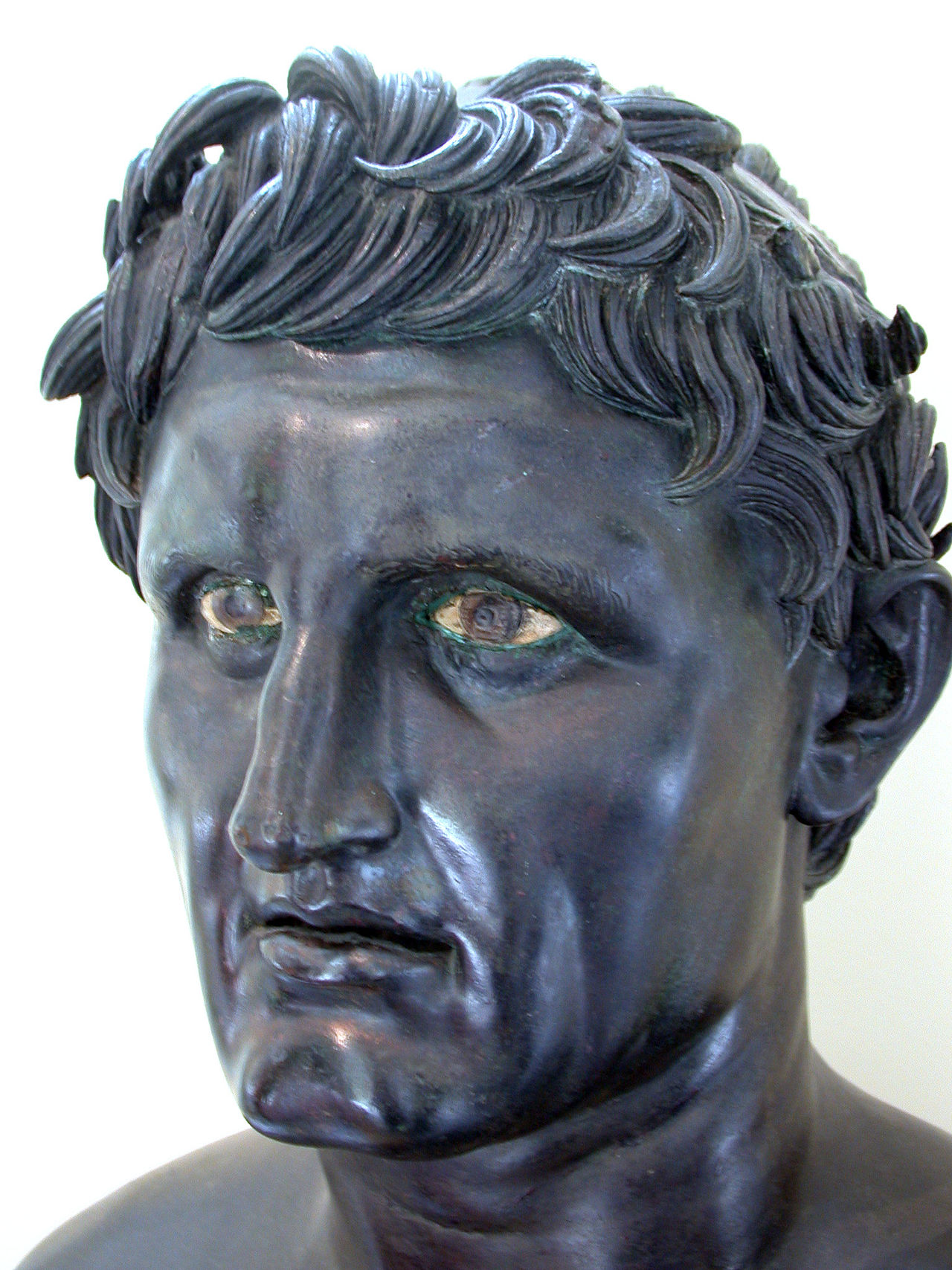
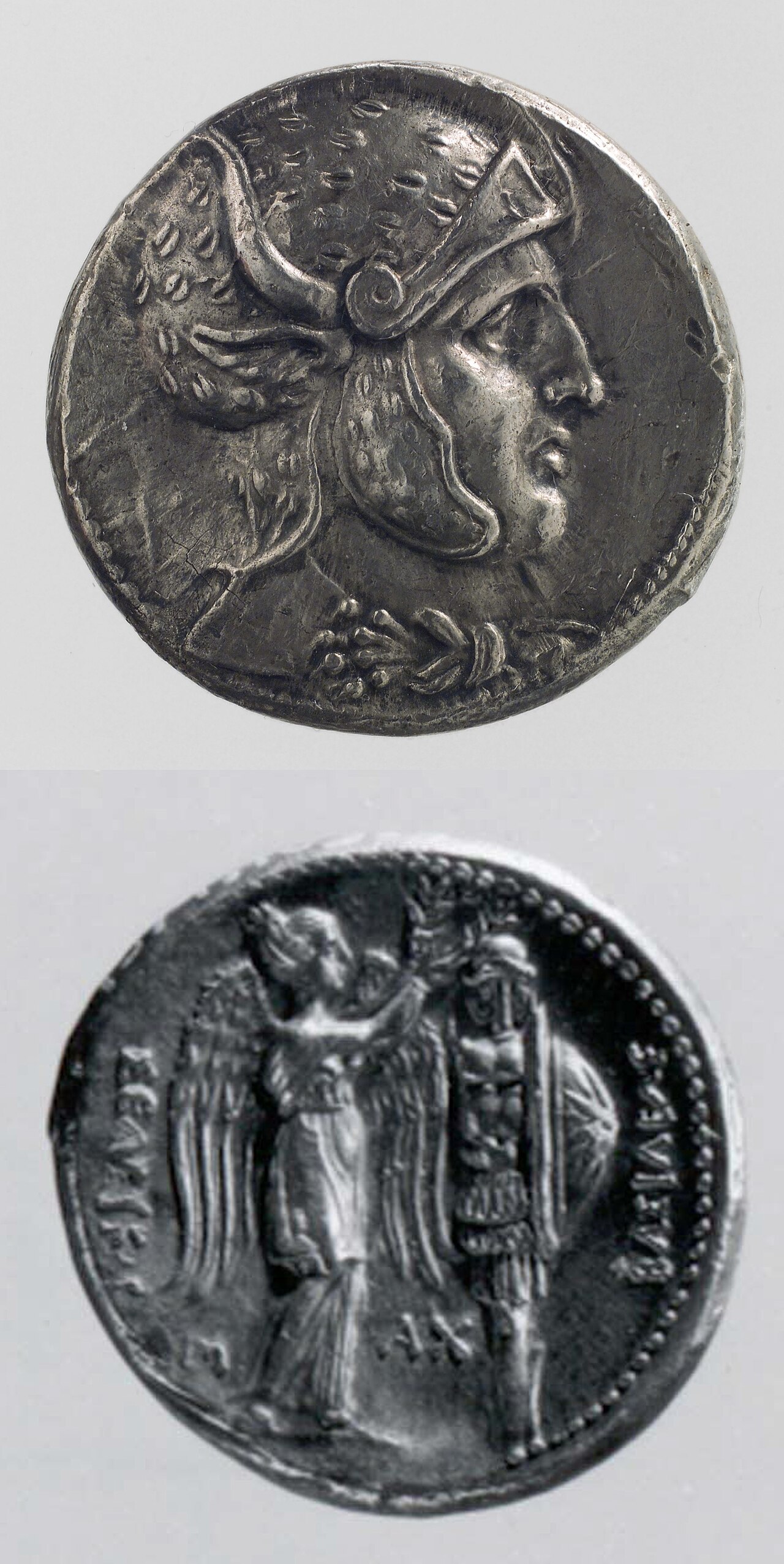
Seleucus I Nicator (c. 358–281 BC) was a Macedonian officer under Alexander who became king and founded the Seleucid Empire, governing vast territories across the Near East and parts of Asia until his assassination.
Overview
Seleucus I Nicator ("Seleucus the Victor") emerged from the ranks of Macedonian officers who had served under Alexander the Great to become a dynastic ruler in his own right. Born about 358 BC, he lived through the tumultuous period following Alexander's death and converted Alexander's eastern conquests into the core of the Seleucid Empire. Across his career he combined military skill, diplomatic negotiation and city founding to establish a Hellenistic state that shaped the political geography of the Near East for generations.
Image gallery
10 Images




Early career and the succession crisis
While serving in Alexander's campaigns, Seleucus gained experience with both infantry and cavalry operations and entered the network of Macedonian leaders who would contest the empire after 323 BC. At the Partition of Babylon he sided with the regent Perdiccas and was appointed Commander of the Companions, a senior military office. The fragile coalition of Alexander's former officers quickly unraveled into what scholars call the Wars of the Diadochi, a series of conflicts and alliances that repeatedly reshaped control of provinces and armies.
Conspiracy, flight and recovery
Perdiccas's failed campaign against Egypt produced disaffection in his own ranks, leading to mutiny and plots. Seleucus was among those associated with the coup that resulted in Perdiccas's betrayal and assassination in a conspiracy, an episode that altered alliances and opened opportunities. Under the new settlement Seleucus was appointed satrap of Babylon, a rich and strategically central province in Mesopotamia, but competing Diadochi soon forced him into exile. He returned decisively in 312 BC with backing from Ptolemaic Egypt, an event historians often mark as the beginning of stable Seleucid rule in Babylon.
Creation and extent of the Seleucid state
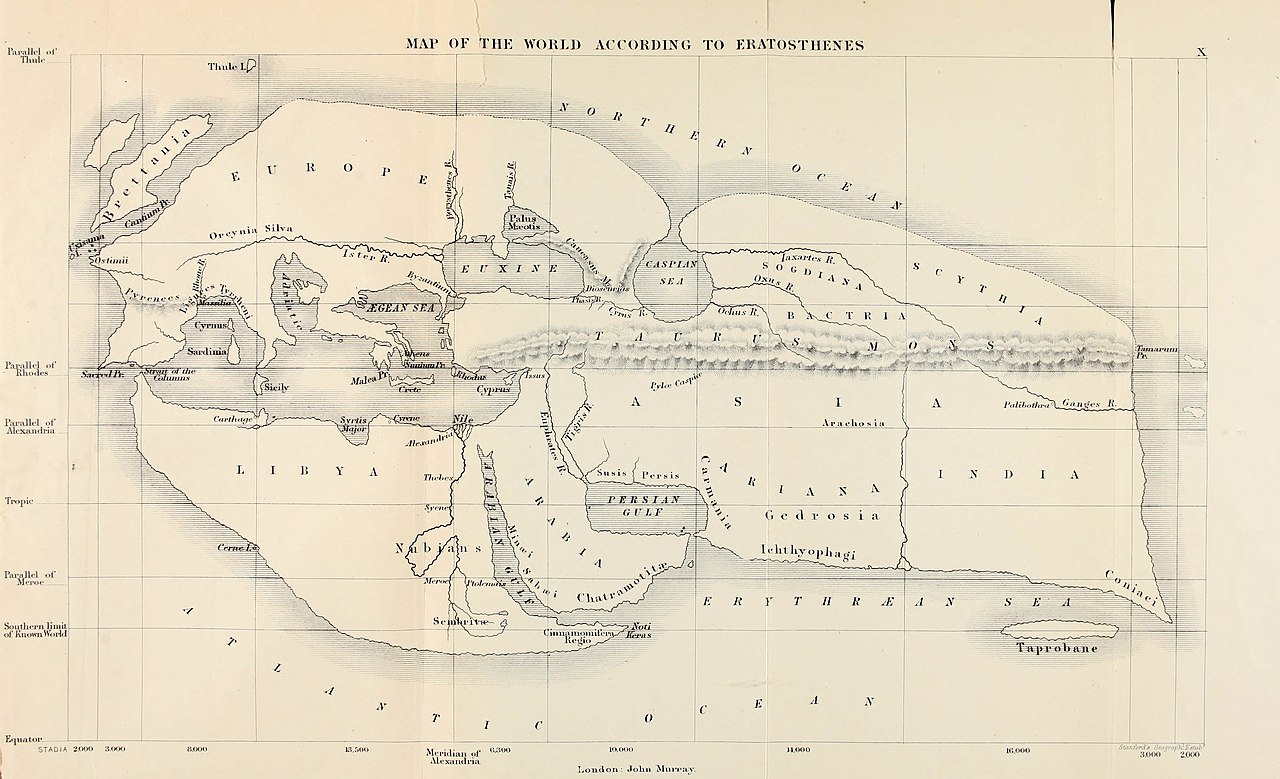
From his base in Babylon Seleucus expanded his authority across the eastern portions of what had been Alexander's empire. He recovered and consolidated many territories of the former Achaemenid realm and established control over regions traditionally identified as Persia and Media, together with the economic heart of Babylonia. Classical writers emphasize the broad sweep of his dominion, describing possessions that extended west into parts of Anatolia such as Phrygia and north into Armenia, while to the east his influence reached toward the margins of India. The scale and diversity of these lands required a mixture of military garrisons, local collaboration and Hellenistic administrative practices to hold them together across Asia and into Anatolia.
Conflict and alliances among the Diadochi
Seleucus's military activity should be seen in the context of continuing rivalry with other successor kings. He fought alongside rivals at decisive confrontations such as the Battle of Ipsus, where combined forces broke Antigonus's dominance and redistributed territories among the victors. Later contests with Lysimachus and other regional rulers followed. Ambitious to secure not only the eastern empire but also a position in Europe, Seleucus moved against territories like Thrace and even aspired to influence in Macedon, plans that ended abruptly with his assassination in 281 BC by Ptolemy Ceraunus and thereby altered the political map of the Hellenistic world.
The eastern settlement and relations with India
Seleucus campaigned in eastern provinces bordering the Indian subcontinent and negotiated a settlement with the Mauryan ruler Chandragupta Maurya. Under the diplomatic agreement Seleucus ceded claims to territories in the Indus River Valley in return for a substantial military contingent of war elephants — often reported as five hundred — and a peaceful frontier. This exchange illustrates how diplomacy, marriage and negotiated transfers of territory played alongside outright conquest in shaping Hellenistic borders.
Military organization and the role of elephants
Seleucus relied on a combined force of Macedonian-style phalanx infantry, cavalry contingents and auxiliary troops drawn from subject peoples. The war elephants acquired from the east became a distinctive factor in later battles in the west, notably contributing to allied success against Antigonus and proving useful in conflicts with other Hellenistic monarchs. Maintaining such a large and diverse army required continuous recruitment, the garrisoning of strategic cities and the support of naval and land logistics across long supply lines.
Urban foundations, administration and culture
To govern a multiethnic realm Seleucus pursued a policy of city foundation and administrative reform characteristic of the Hellenistic monarchs. He founded new polis centers that served administrative, military and commercial roles and encouraged the settlement of Greek and Macedonian colonists alongside local populations. Notable foundations included Antioch, which became a major political and cultural center in the west of his realm, and Seleucia on the Tigris, established as a new imperial capital near Babylon that redirected economic activity and attracted artisans, merchants and officials. These foundations aided Hellenistic cultural diffusion while also adapting to local religious and social structures.
Succession, death and long-term legacy
Seleucus was assassinated while moving to press his claims in the Balkans; his death prevented further immediate expansion into Europe and left the dynasty in the hands of his son, Antiochus I. The Seleucid state he built persisted for over a century as one of the major Hellenistic kingdoms, frequently engaging with Rome, Parthia and local dynasts. Its legacy includes the spread of Greek urban culture across the Near East, administrative models that blended Greek and local practices, and a political geography that linked the Mediterranean to Central and South Asia.
Assessment
Historians view Seleucus as a pragmatic and resilient ruler whose combination of military initiative, diplomacy and urban policy created a durable imperial structure from the uncertain aftermath of Alexander's death. His career illustrates both the opportunities and limits of Hellenistic monarchy: great territorial reach and cultural influence, but continual contestation, shifting alliances and the possibility of sudden reversal through assassination or defeat. The Seleucid dynasty he founded would remain a central actor in the politics of the eastern Mediterranean and Near East for generations.
- Principal roles: Macedonian general, Companion commander, satrap of Babylon, founder-king of the Seleucid Empire.
- Key events: Partition of Babylon, the Diadochi wars, return to Babylon (312 BC), pact with Chandragupta, Battle of Ipsus, assassination (281 BC).
- Enduring impacts: City foundations such as Antioch and Seleucia on the Tigris, Hellenistic administrative structures across Asia, and the shaping of political boundaries from Phrygia to the Indus.
Questions and answers
Q: Who was Seleucus I Nicator?
A: Seleucus I Nicator, also known as "Seleucus the Victor", was a general and friend of Alexander the Great who eventually took control of his empire. He set up the Seleucid Empire over much of the territory in the Near East which Alexander had conquered.
Q: What were the 'Wars of the Diadochi'?
A: The 'Wars of the Diadochi' were wars between Alexander's successors after his death in June 323 BC. These wars were fought to determine who would gain control over Alexander's empire.
Q: How did Perdiccas fail against Ptolemy?
A: Perdiccas failed against Ptolemy in Egypt, which led to a mutiny among his troops and ultimately resulted in his betrayal and assassination by Seleucus and others sometime in either 321 or 320 BC.
Q: What role did war elephants play for Seleucus?
A: War elephants played a decisive role for Seleucus at both the Battle of Ipsus in 301 BC and at the Battle of Corupedium in 281 BC. He obtained 500 war elephants from India after two years of war (305-303 BC).
Q: What cities did Seleucus found during his reign?
A: During his reign, Seleucus founded several new cities including Antioch (300 BC) and particularly Seleucia on the Tigris (ca. 305 BC), which became the new capital of his empire.
Q: How did Ptolemys actions pave way for him to absorb power from Lysimachus?
A: The assassination of Seulecus by Ptolemys Ceraunos destroyed any prospects that he had to take control over Lysimachus' European territories such as Thrace and Macedon itself, thus paving way for Ptolemys Ceraunos to absorb much power from Lysimachus' former territories in Macedon.
Author
AlegsaOnline.com Seleucus I Nicator — founder of the Seleucid realm Leandro Alegsa
URL: https://en.alegsaonline.com/art/130665