
Chandolas, Ardèche — a rural commune in southern France
Chandolas is a small commune in the Ardèche department of southern France, known for its stone-built village character, rural landscapes, and local traditions in agriculture and tourism.
Overview
Chandolas is a commune and small town in the Ardèche department in the south of France. As a French commune it forms the basic unit of local government and reflects the region's rural character: narrow lanes, stone houses and agricultural land. Information and administrative references about the town are available through regional sources such as official town pages and departmental listings like commune directories.
Image gallery
1 Image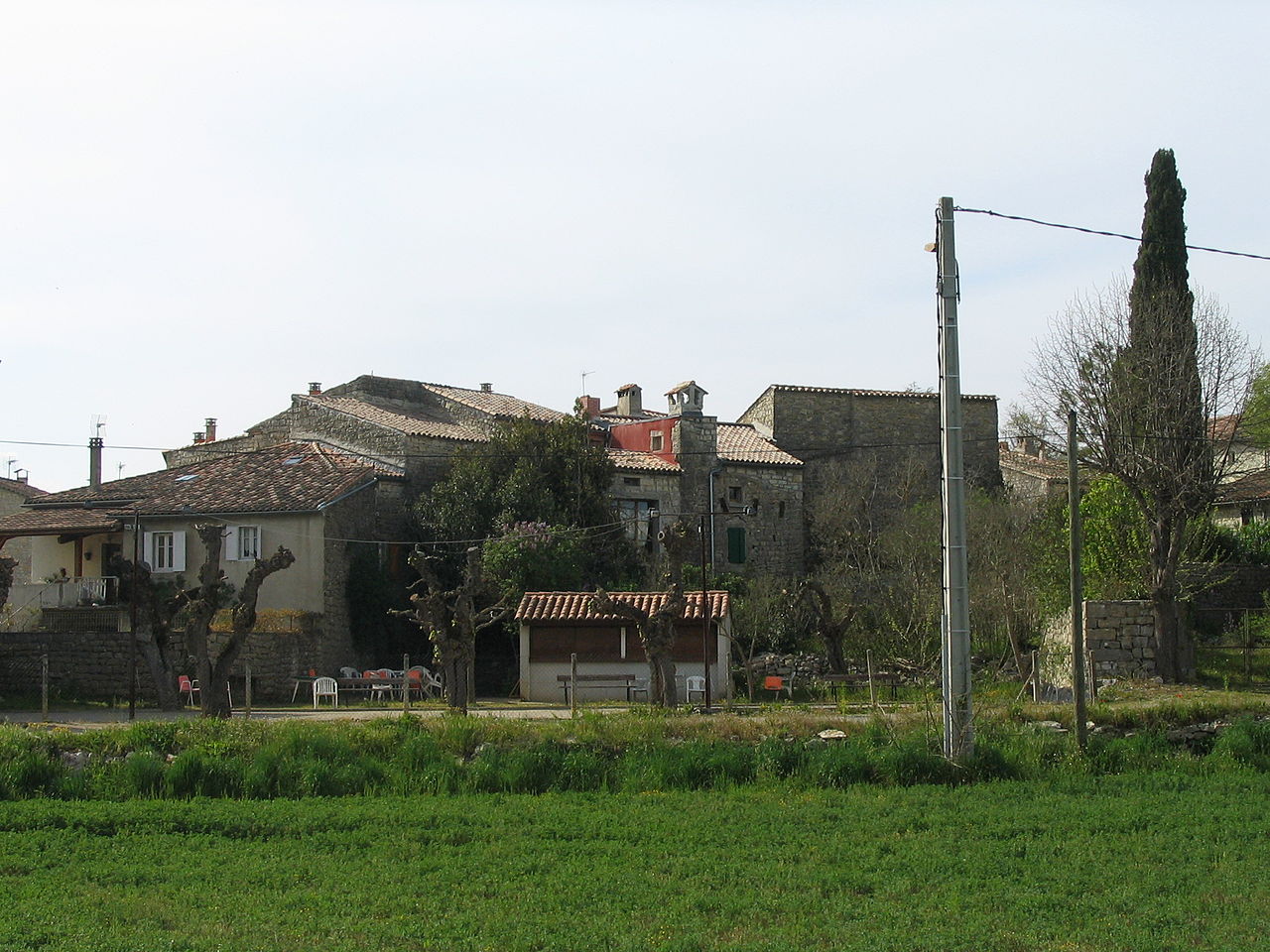
Geography and environment
Located within the varied landscapes of Ardèche, Chandolas sits amid rolling hills, woodland and cultivated plots characteristic of the area. The environment supports mixed farming, chestnut trees and hedged pastures typical of the département. Visitors looking for regional context can consult broader departmental guides at Ardèche information services.
History and heritage
Like many villages in the region, Chandolas has origins that trace back through the medieval period; its historic fabric is expressed in vernacular stone architecture, a parish church and traces of rural life. Local heritage is often preserved by community associations and is highlighted in cultural listings such as heritage notices.
Economy and local life
The economy is predominantly rural: small-scale agriculture, local artisans and hospitality for visitors. Seasonal tourism, walking routes and local markets help sustain services. Local life centers on communal events, traditional foods and countryside activities that typify Ardèche villages — more practical visitor details are available through regional portals like tourist information.
Practical points and notable facts
- Chandolas functions under the French commune system with a municipal council and mayor.
- The village is representative of southern French rural architecture and landscape.
- It serves as a base for exploring the surrounding natural areas, regional produce and cultural traditions.
For those researching small French communes or planning a visit to Ardèche, Chandolas provides a compact example of regional life, combining local heritage with countryside attractions and access to wider departmental services.
Related articles
Author
AlegsaOnline.com Chandolas, Ardèche — a rural commune in southern France Leandro Alegsa
URL: https://en.alegsaonline.com/art/18518