
Changfeng County, Anhui Province, China
Changfeng County is a county under Hefei in central Anhui, China. It covers 1,922.24 km², has about 629,535 residents, and includes towns, townships and an industrial development zone.
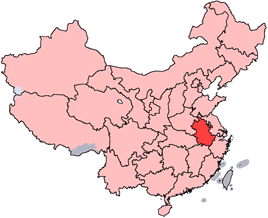
Overview: Changfeng County is a county in central Anhui Province administered by the prefecture-level city of Hefei. According to available figures it covers 1,922.24 km² and has a population of about 629,535, giving an approximate population density of roughly 330 people per square kilometre. The county combines agricultural areas with growing urban and industrial zones and plays a supporting role within the wider Hefei metropolitan region.
Image gallery
5 Images


Geography and environment
Changfeng lies within the temperate monsoon climate zone common to eastern China, with four distinct seasons and sufficient rainfall for agriculture. The landscape is primarily low-lying plains and gently rolling hills, with farmland, small watercourses and patches of woodland. These conditions support cereal crops, oilseeds and other typical regional farming.
Administration
The county-level administration is structured into town and township divisions. Administratively it contains:
- 9 towns
- 6 townships
- a designated industrial and development zone aimed at attracting manufacturing and investment
The county seat serves as the local government and commercial centre providing services to surrounding rural communities.
Economy and industry
Historically agricultural, Changfeng has diversified in recent decades. Local economic activity includes crop farming, food processing, light manufacturing and small- to medium-sized enterprises located in the county’s development zone. Proximity to Hefei broadens employment opportunities and market access, encouraging industrial and logistics investment.
Transport and connections
Changfeng benefits from road and rail links that connect it with Hefei and provincial transport networks. Improved highways and regional rail corridors make commuting and goods movement more efficient, and the county’s development strategy often emphasizes connectivity to larger urban hubs and logistic chains.
History, culture and outlook
The area that is now Changfeng has a long local history within Anhui province, shaped by farming traditions and regional culture. Local festivals, cuisine and customs reflect the broader Jianghuai cultural zone. Going forward, urbanization, industrial growth in the development zone and integration with Hefei’s economy are likely to be key influences on Changfeng’s development and living standards.
For further administrative or statistical details consult regional sources about Anhui Province and broader national context on China.
Related articles
Author
AlegsaOnline.com Changfeng County, Anhui Province, China Leandro Alegsa
URL: https://en.alegsaonline.com/art/18552