
Chaco Province, Argentina
Chaco is a northeastern Argentine province in the Gran Chaco plain. Its capital is Resistencia. The province is noted for its lowland landscapes, agricultural economy, indigenous communities and social challenges.
Chaco is a province in northeastern Argentina, situated in the low plains of the Gran Chaco. Its capital and largest city is Resistencia, a regional administrative, cultural and commercial center. According to the 2010 national census the province had 1,055,259 inhabitants. Chaco shares an international frontier with Paraguay and is linked to the rest of Argentina by roads, rail and river routes that cross the plains and seasonal wetlands. Provincial information and national context can be found via general resources about Argentina.
Image gallery
6 Images

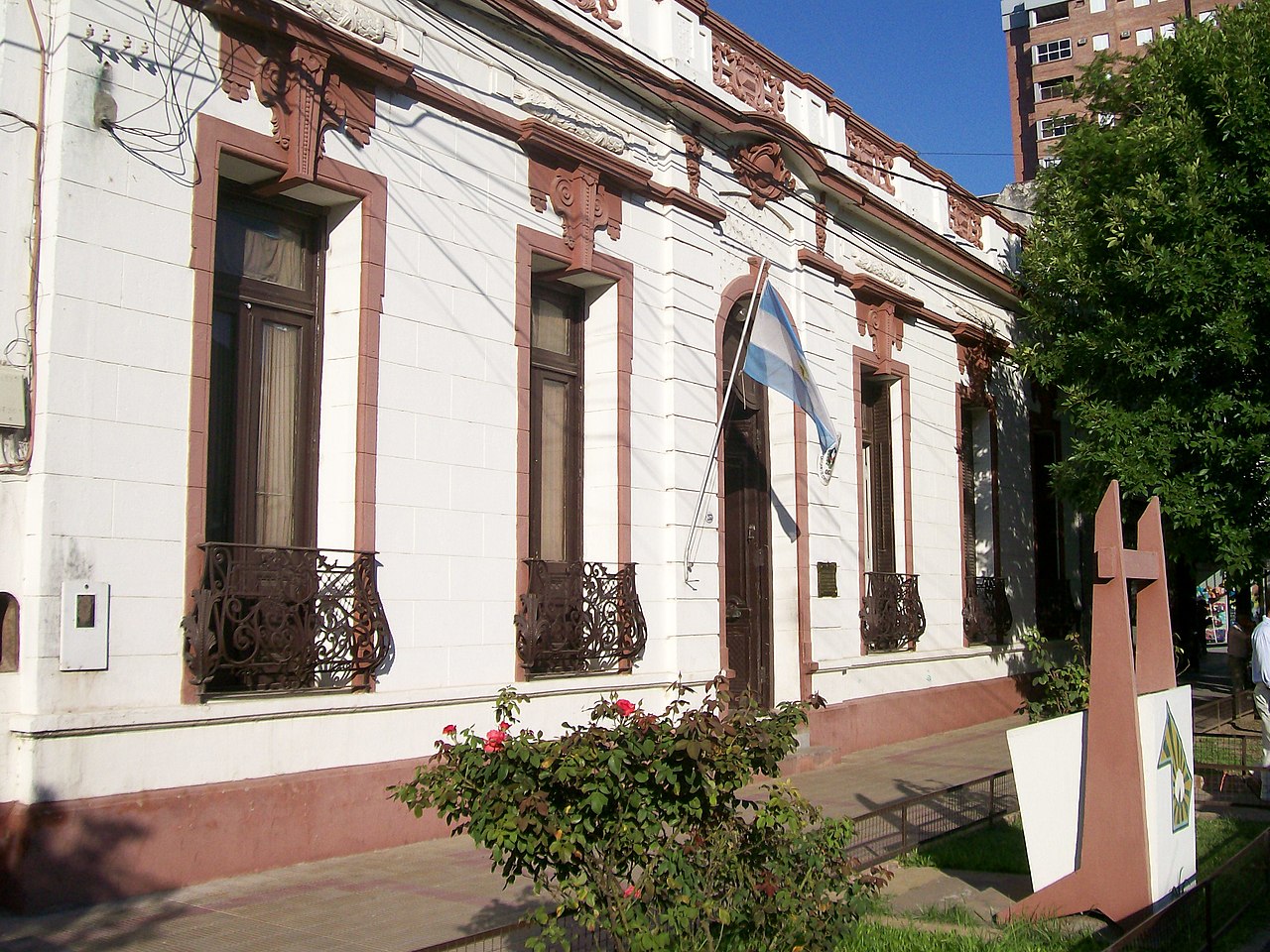


Name and historical background
The name "Chaco" derives from the Quechua word chacú, a term historically used in the Andes to describe organized hunts; it passed into regional Spanish usage to refer to the broad hunting grounds of the lowland plain. Indigenous peoples—such as the Qom (Toba), Wichí and other groups—have lived in the region for centuries and maintain distinct languages and cultural traditions. European colonization and later Argentine settlement changed land use patterns, leading to ranching, farming and the growth of towns. For more on the linguistic and cultural origins see etymology sources.
Geography and environment
Chaco occupies part of the Gran Chaco, a sprawling flatland characterized by dry forests, scrub, seasonal wetlands and alluvial soils. The climate is generally subtropical with hot summers and a marked rainy season that shapes agricultural cycles and flood risks. Vegetation ranges from dense quebracho and quebracho colorado stands in some areas to more open savanna and gallery forest along watercourses. Environmental concerns include deforestation and habitat change tied to agricultural expansion.
Economy, demographics and social issues
The provincial economy is anchored in agriculture and livestock: cotton, oilseeds, cattle and forestry products have been important drivers. Small-scale agriculture and local industry support regional towns while larger agribusiness operations export commodities. Chaco faces persistent social and economic challenges: poverty rates have been high compared with national averages and access to services varies across urban and rural zones. Studies and reports addressing these conditions appear in public and academic sources; see summaries and statistics at social indicators.
Culture, cities and contemporary life
Resistencia, the capital, is known for its public sculptures, cultural institutions and role as a commercial hub; it anchors provincial government and education. Rural and indigenous communities preserve traditional livelihoods, crafts and festivals. The province balances development initiatives with efforts to protect indigenous rights and natural resources.
- Capital: Resistencia — civic and cultural center (city information).
- Border: international frontier with Paraguay.
- Roots: name from Quechua chacú (language context).
- Further reading: provincial portals and national resources (official, country overview).
Chaco remains an important Argentine region where geography, indigenous heritage, agricultural economy and social policy intersect. Ongoing efforts by governments, communities and researchers focus on sustainable land use, rural development and improving living standards across the province.
Related articles
Author
AlegsaOnline.com Chaco Province, Argentina Leandro Alegsa
URL: https://en.alegsaonline.com/art/18296
Sources
- 200.51.91.231 : "República Argentina por provincia o jurisdicción"
- commons.wikimedia.org : Chaco Province