
Chaiyaphum province — overview, geography, history and attractions
Chaiyaphum is a northeastern (Isan) province of Thailand, noted for upland parks, seasonal wildflower displays and an agricultural economy. Area about 12,778 km²; population ~1 million (2000).
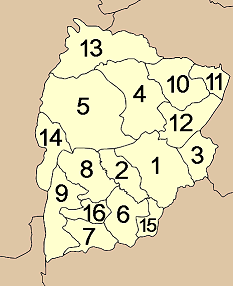
Chaiyaphum (ชัยภูมิ) is a province in the northeastern region of Thailand, commonly called Isan. It covers roughly 12,778.3 km² and had a population close to one million people around the year 2000. The province seat is the town of Chaiyaphum, which functions as the administrative and commercial centre for the surrounding rural districts.
Image gallery
10 Images




Geography and climate
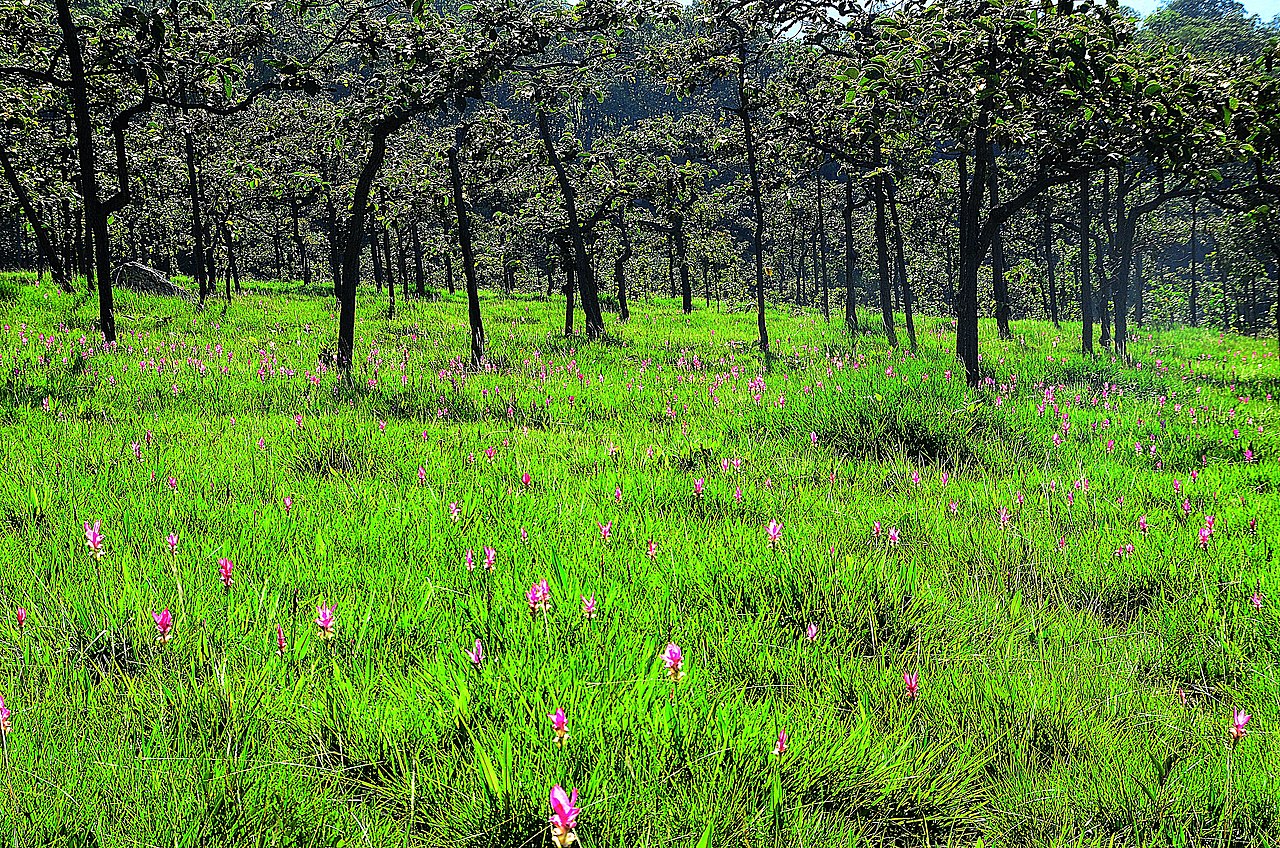
Chaiyaphum sits on the Khorat Plateau and includes a mixture of lowlands, rolling hills and higher sandstone outcrops. The landscape supports seasonal farming, forest patches and several protected areas. The province experiences a tropical savanna climate with a distinct rainy season (monsoon) and a dry season, which shapes planting cycles and the timing of natural displays such as flowering meadows.
History and cultural influences
Like much of Isan, Chaiyaphum reflects a blend of local Tai-Lao culture and older Khmer influences, visible in language, cuisine and traditions. Settlement and administrative boundaries developed over centuries, and modern provincial government structures were set during the centralizing reforms of Thailand in the nineteenth and twentieth centuries. Local festivals, temple fairs and agricultural rituals remain important to community life.
Economy and society
Agriculture is the mainstay of the provincial economy. Farmers grow rice and cash crops such as cassava and sugarcane, alongside smaller-scale horticulture and livestock. Local markets, small industry and services in the provincial capital support rural livelihoods. Community crafts and food traditions contribute to domestic tourism and local identity.
Parks, attractions and notable features
- Pa Hin Ngam National Park — known for unusual rock formations and seasonal blooms of the Siam tulip (dok krachiao) that attract visitors in the rainy season.
- Sai Thong and Phu Laen Kha national parks — offer waterfalls, viewpoints and natural trails popular with Thai and international visitors.
- Scenic plateaus and viewpoints — the upland terrain provides panoramic views and opportunities for rural tourism and nature observation.
Administration and travel
The province is organised into districts and subdistricts under a provincial governor and local administrations. Road connections link Chaiyaphum to neighbouring Isan provinces and to central Thailand, supporting trade and visitor access. Travelers are encouraged to plan visits around the seasons: the wet months produce the best wildflower displays, while the dry season is easier for road travel and trekking.
For concise local information, the province is often referenced by its Thai name ชัยภูมิ and in relation to the nation of Thailand. Chaiyaphum combines agricultural life, natural parks and cultural traditions typical of the broader Isan region, making it a notable example of northeastern Thailand's landscape and community rhythms.
Related articles
Author
AlegsaOnline.com Chaiyaphum province — overview, geography, history and attractions Leandro Alegsa
URL: https://en.alegsaonline.com/art/18356