
Ceyzérieu — commune in Ain, Auvergne-Rhône-Alpes
Ceyzérieu is a rural commune in the Ain department of eastern France, known for its village character, local heritage and surrounding natural landscapes.
Ceyzérieu is a small commune located in the heart of eastern France. It lies within the broader territory of eastern France and is part of the historical and administrative fabric that characterizes rural communities in this region. The village combines agricultural land, woodland and residential areas typical of the French countryside.
Image gallery
1 Image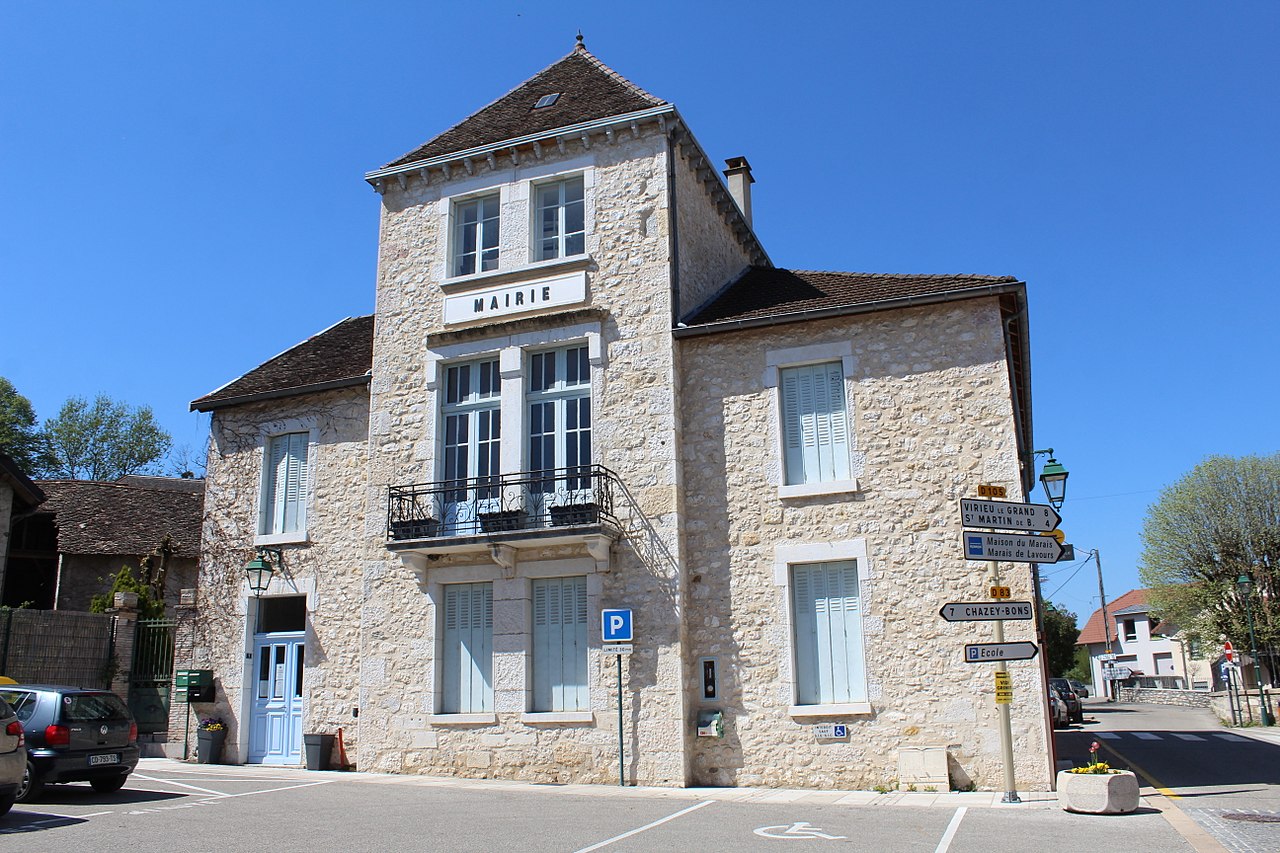
Location and geography
The commune is situated in the Ain department and belongs to the wider region of Auvergne-Rhône-Alpes. The locality sits amid gentle hills and small river valleys, offering a mix of farmland and natural habitats. Nearby roads connect Ceyzérieu with larger towns in the department and with regional transport routes.
History and heritage
Like many villages in this part of France, Ceyzérieu has roots that stretch back through the medieval and early modern periods. Local heritage includes traditional stone buildings, a parish church and traces of historic rural life. The commune’s past is reflected in its layout, architecture and place names, which are studied by local historians and visitors interested in regional history. Administrative information and civic records are managed at the department level and through regional bodies such as Auvergne-Rhône-Alpes authorities.
Everyday life in Ceyzérieu revolves around small-scale agriculture, artisanal businesses and services that support residents. The area attracts visitors seeking quiet countryside, walking paths and occasional local festivals that celebrate regional food and traditions. Community facilities tend to be modest but well integrated into village life.
Notable features
- Traditional village center with historic buildings and a parish church.
- Surrounding agricultural landscape, hedgerows and local lanes for walking.
- Local events and markets that reflect regional gastronomy and crafts.
For practical travel and administration, Ceyzérieu depends on departmental services and regional networks. Visitors usually reach the village by car or local bus links from nearby urban centers. The commune exemplifies the small rural communities that form the social and cultural backbone of France's communes and contribute to the diversity of the Auvergne-Rhône-Alpes region.
Related articles
Author
AlegsaOnline.com Ceyzérieu — commune in Ain, Auvergne-Rhône-Alpes Leandro Alegsa
URL: https://en.alegsaonline.com/art/18275