
Cessna 172 (Skyhawk) — four-seat single-engine light aircraft
The Cessna 172 Skyhawk is a four-seat, high-wing, single-engine light airplane introduced in the 1950s. Widely used for training and private flying, it is one of the best-selling aircraft ever produced.
Overview
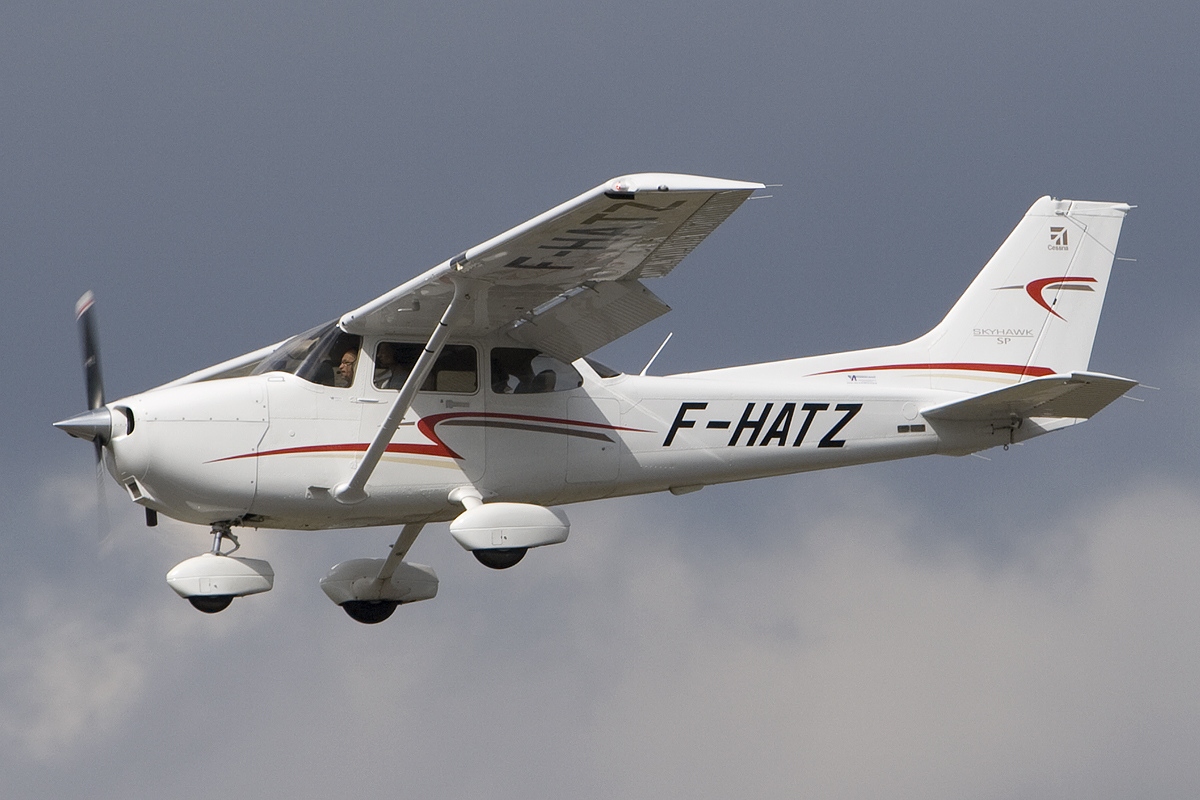
The Cessna 172 is a four-seat, high-wing, single-engine light aircraft that has been in continuous production in various forms since the mid-1950s. Manufactured by the Cessna Aircraft Company, it has become one of the most numerous and recognizable general aviation types worldwide, with more than 43,000 airframes built. Its straightforward handling, fixed tricycle landing gear and roomy cabin have made it especially popular for flight training and personal flying.
Image gallery
10 Images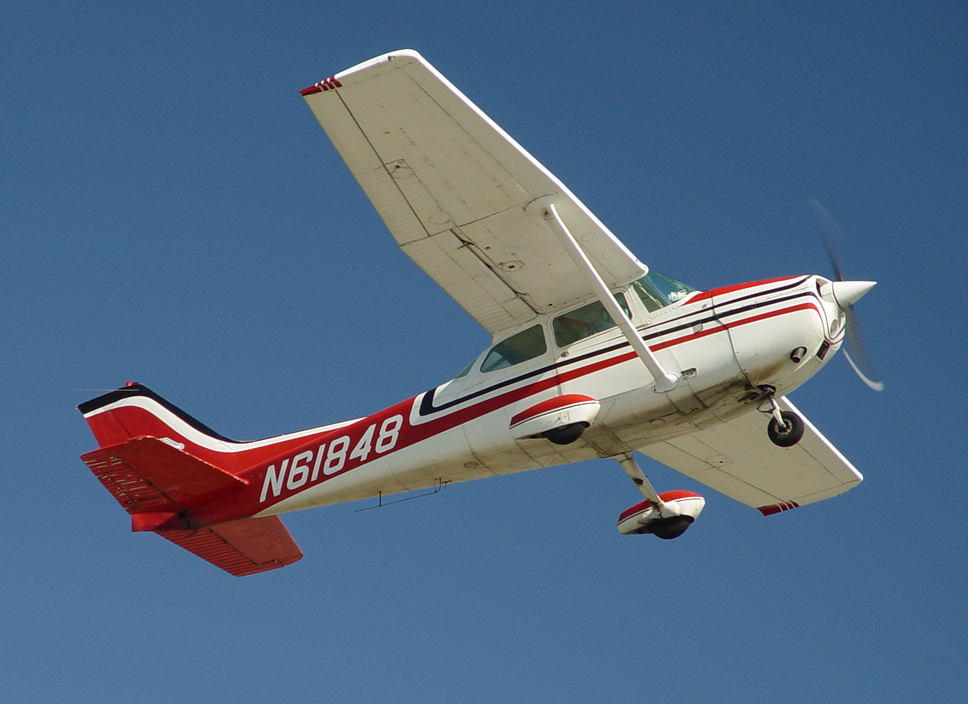



Design and characteristics
The 172 follows a conventional light-aircraft layout: a high wing mounted above the cabin, fixed tricycle landing gear, and a single piston engine in the nose driving a two- or three-blade propeller. Construction is primarily metal with fabric-free control surfaces on many models, and later production aircraft commonly feature modern avionics and optional autopilots. The interior typically seats four (pilot plus three passengers) and offers baggage space behind the rear seats. Engines have varied over the decades; early models used a Continental six-cylinder installation while later, from 1968 onward, Lycoming four-cylinder engines became the common powerplant.
History and development
Introduced for 1956 model-year production, the 172 evolved from earlier Cessna designs of the early 1950s and quickly established itself as a reliable, easy-to-fly airplane. Cessna continuously refined the model through incremental improvements, new avionics options and multiple variant designations. Although details differ between model years and subtypes, the overall airframe and mission—safe, economical short‑range transportation and pilot training—have remained consistent.
Uses and operational importance
The 172 is ubiquitous at flight schools around the world because of its forgiving flight characteristics, simple systems and low operating costs compared with more complex aircraft. Private owners value it for local and cross‑country trips, and operators adapt airframes for aerial survey, banner towing, airborne observation and light cargo. Thanks to its abundance, spare parts and support are widely available, which helps keep many examples active decades after manufacture.
Variants and notable facts
- Numerous factory and field modifications exist, including float and ski fittings for operations on water or snow.
- Avionics retrofits, such as glass cockpit installations, are common to modernize older airframes.
- The name "Skyhawk" has been used in marketing many later models; collectors and operators often refer to most 172s by that name.
- Its long production run and large fleet make the 172 a frequent subject of pilot type-rating discussions and general aviation studies.
Further reading
Related articles
Author
AlegsaOnline.com Cessna 172 (Skyhawk) — four-seat single-engine light aircraft Leandro Alegsa
URL: https://en.alegsaonline.com/art/18252
Sources
- avweb.com : "Cessna to Offer Diesel Skyhawk"
- airspacemag.com : "Cessna's Golden Oldie"
- textron.vo.llnwd.net : 2012 172R Price Sheet
- textron.vo.llnwd.net : 2012 172S Price Sheet