
Akkadian language (Assyro-Babylonian): history, features, and legacy
Akkadian was the earliest attested Semitic language of ancient Mesopotamia, recorded in cuneiform. This article surveys its dialects, writing system, major texts, historical role, and linguistic traits.
Overview
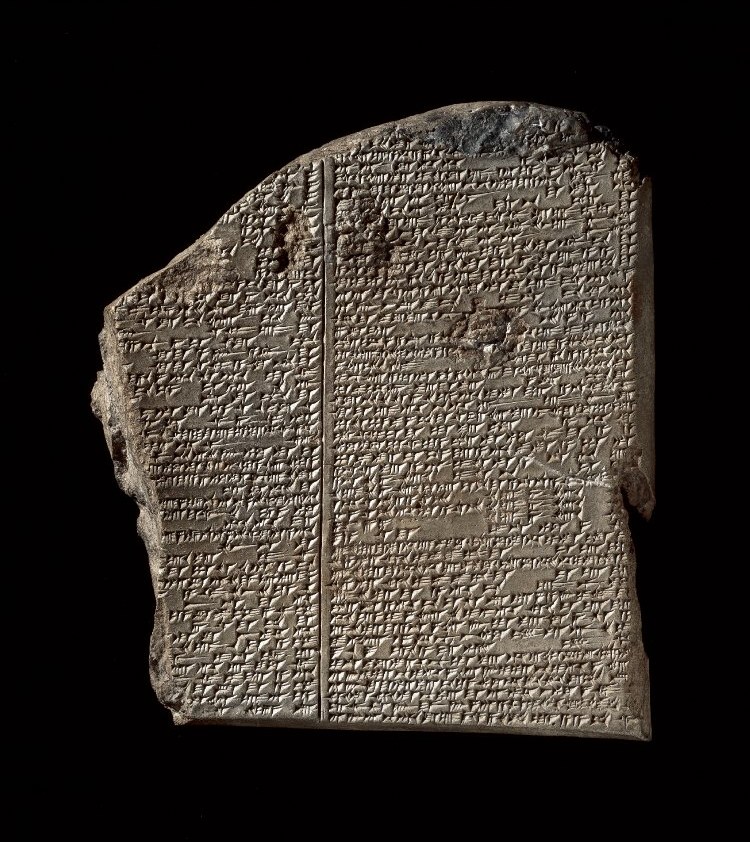
Akkadian (llišānum akkadītum) is the oldest well‑documented Semitic language and served as the principal written tongue of ancient Mesopotamia. It was spoken in the region of present‑day Iraq and neighbouring areas and recorded in the wedge‑shaped cuneiform script inherited from Sumerian. As a member of the Semitic language family, Akkadian shows many features familiar from later Semitic languages but is attested far earlier than them. The cultural and administrative reach of Akkadian extended across city‑states and empires in ancient Iraq.
Image gallery
10 Images



Linguistic characteristics
Akkadian is an inflected, root‑and‑pattern language with a rich system of verbal morphology and nominal case endings. Nouns are typically marked for case (nominative, accusative, genitive) and number, while verbs encode tense/aspect and voice through prefixes, suffixes, and internal changes. Its written form used a largely syllabic cuneiform system adapted from Sumerian, combining phonetic signs with logographic signs carried over from that earlier language. The hybrid orthography required readers to know both the phonetic values and the conventional logograms, an arrangement discussed by specialists under the term cuneiform orthography.
Varieties and chronological phases
Scholars divide Akkadian into several chronological and regional varieties. Major periods include:
- Old Akkadian (earliest attestations, c. 24th–20th century BCE)
- Old Babylonian and Old Assyrian (early 2nd millennium BCE)
- Middle Babylonian and Middle Assyrian (late 2nd–1st millennium BCE)
- Neo‑Assyrian and Neo‑Babylonian (1st millennium BCE)
- Late Babylonian (final cuneiform phase, continuing into the early centuries BCE)
These divisions reflect both time and regional dialect differences, such as the Assyrian and Babylonian varieties mentioned in ancient correspondence and inscriptional practice. The sweep of these stages coincides with broader cultural epochs including the Middle Bronze Age and later developments.
Texts, functions and historical role
Akkadian was the language of royal inscriptions, legal codes, letters, administrative records and literature. Some of the best‑known works preserved in Akkadian include the Epic of Gilgamesh and law collections such as the Code of Hammurabi. The early empire founded by rulers like Sargon of Akkad helped establish Akkadian as a written standard; the earliest named inscriptions and dedicatory objects—such as a bowl reported from the city of Ur—illustrate the language's antiquity and are discussed in museum catalogues and scholarship (finds at Ur).
Decline, legacy and modern study
Over many centuries Akkadian gradually ceased to be a vernacular, largely supplanted in everyday speech by Aramaic and other languages, though cuneiform and Akkadian continued as scholarly and liturgical media until the first centuries BCE. The study of Akkadian revived in the 19th century when cuneiform was deciphered; modern Assyriology reconstructs grammar and lexicon from thousands of clay tablets. Today Akkadian remains central to our understanding of ancient Near Eastern history, law, literature and religion, and its inscriptions are primary evidence for reconstructing the political and cultural history of ancient Mesopotamia. For broader context see resources on the regional varieties and the adaptation of Sumerian script to Semitic speech (Sumerian sources).
Further reading and catalogues of texts are available through specialized archives and library collections; introductory overviews and corpora provide access to translated texts and sign lists for learners and researchers (Semitic comparative studies, Mesopotamian archaeology, cuneiform studies).
Related articles
Author
AlegsaOnline.com Akkadian language (Assyro-Babylonian): history, features, and legacy Leandro Alegsa
URL: https://en.alegsaonline.com/art/1824
Sources
- glottolog.org : "Akkadian"
- britannica.com : Akkadian language - Britannica Online Encyclopedia