
Burgess Meredith
American character actor and director whose six-decade career included stage, radio, film and television roles such as The Penguin on Batman and trainer Mickey Goldmill in the Rocky films.
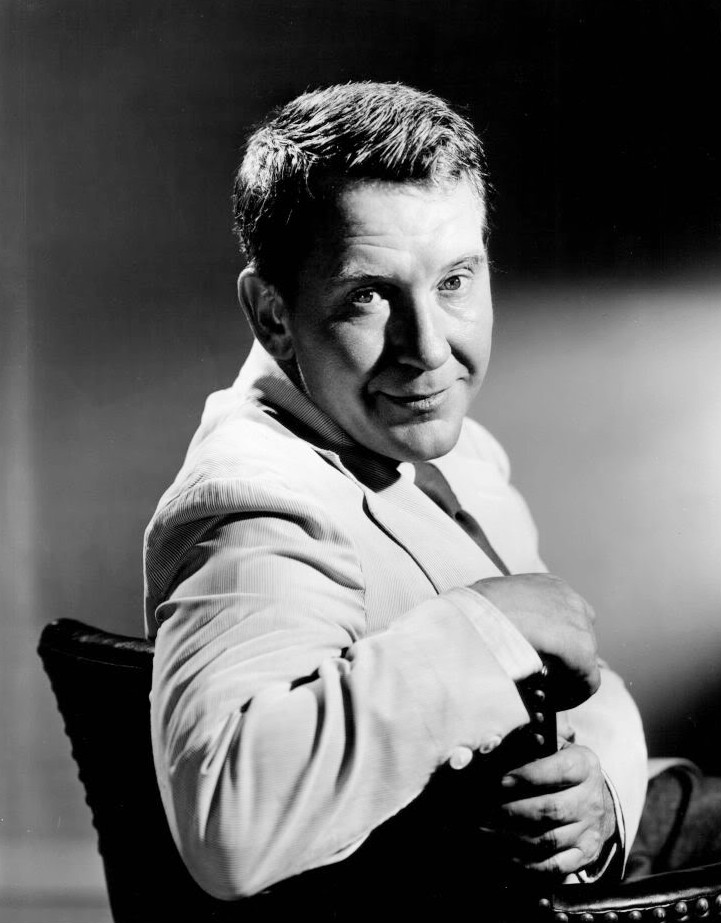
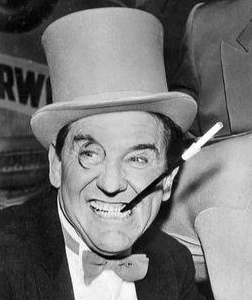
Oliver Burgess Meredith (November 16, 1907 – September 9, 1997) was an American actor and director whose career spanned stage, radio, film and television for more than half a century. He became widely known for distinctive supporting roles that combined comic timing, toughness and a quietly observed humanity. To later generations he is especially remembered for two recurring screen characters that contrasted sharply in tone and audience: the eccentric criminal mastermind The Penguin and the gruff, devoted trainer Mickey Goldmill in the Rocky films.
Image gallery
6 Images



Early life and training
Meredith was born in Cleveland, Ohio, and educated at preparatory school before studying at Amherst College, where he began to take an interest in acting. Early work in theatre and in radio provided him with a foundation in voice, timing and the discipline of live performance. The combination of stage training and radio experience informed an economical acting style and a clear, resonant vocal presence that did not rely on leading-man conventions.
Stage career and early professional work
He established himself as a reliable and versatile stage performer, appearing in a range of productions on and off Broadway as well as in regional theatre. Meredith was comfortable in both dramatic and comic material and was frequently cast in supporting parts that required a strong character actor capable of suggesting a full life story in a few scenes. His stage work kept him connected to the theatrical community even as he expanded into film and television.
Film, television and radio
Over decades of screen work Meredith moved between radio drama, television series and feature films. His television portrayal of the flamboyant, umbrella-wielding villain in the 1960s Batman series brought him popular recognition and introduced him to younger audiences. In cinema he won lasting affection for the role of Mickey Goldmill, the boxing trainer whose rough exterior masked a caring mentor figure in several of the Rocky films. Beyond those signature parts he worked steadily in supporting film roles, guest appearances on television dramas and in recorded radio plays.
Awards and recognition
Meredith's career earned him recognition from genre and industry organizations. He received two Saturn Awards and was the subject of nominations and honors from theatre and television bodies. Critics and historians of performance often cite him as an exemplar of the character actor: someone who strengthens and elevates the projects in which he appears without necessarily commanding the star billing.
Personal life, health and private matters
Meredith's personal life included several marriages: to Helen Derby (1933–1935), Margaret Perry (1936–1938), and Paulette Goddard (1944–1949); he later married Kaja Sundsten in 1950 and they remained together until his death. Some biographies and contemporary reports note that he experienced mood fluctuations described by professionals as cyclothymia, a form of mood disorder. Details of personal relationships and health have been the subject of biographical study and are typically discussed with care in reliable sources (biographical records).
Later years and death
In later life Meredith lived in California. He died in Malibu on September 9, 1997; accounts of his death cite complications associated with Alzheimer's disease and a diagnosis of melanoma. The location of his final years and death has been noted in obituaries and retrospective accounts of his long career (Malibu, California).
Legacy
Meredith's adaptability across media—stage, radio, film and television—left a durable impression on American acting in the mid-20th century. He is remembered for the way a skilled character actor can create memorable, fully formed people in limited screen time, and for the warmth and precision he brought to both comic and dramatic material. His performances continue to be cited in studies of television history, genre film and the craft of supporting performance.
- Noted screen characters: The Penguin (Batman series), Mickey Goldmill (Rocky films).
- Performance media: stage, radio, film, television, occasional directing work.
- Research and sources: contemporary press, theatre records and comprehensive biographies provide fuller accounts (biographical records).
For those seeking more detail on specific productions, awards and critical assessments, consult dedicated biographies, archival collections and specialist studies of American theatre and screen acting.
Tags
Related articles
Author
AlegsaOnline.com Burgess Meredith Leandro Alegsa
URL: https://en.alegsaonline.com/art/15411
Sources
- freepages.genealogy.rootsweb.ancestry.com : Burgess Meredith genealogy
- cnn.com : "Burgess Meredith dies at 89 - Sept. 10, 1997"