
Centaur (planetoid)
A Centaur is a small Solar System body with an orbit typically between Jupiter and Neptune, often showing characteristics of both asteroids and comets and originating from the outer reservoirs of icy bodies.
Overview
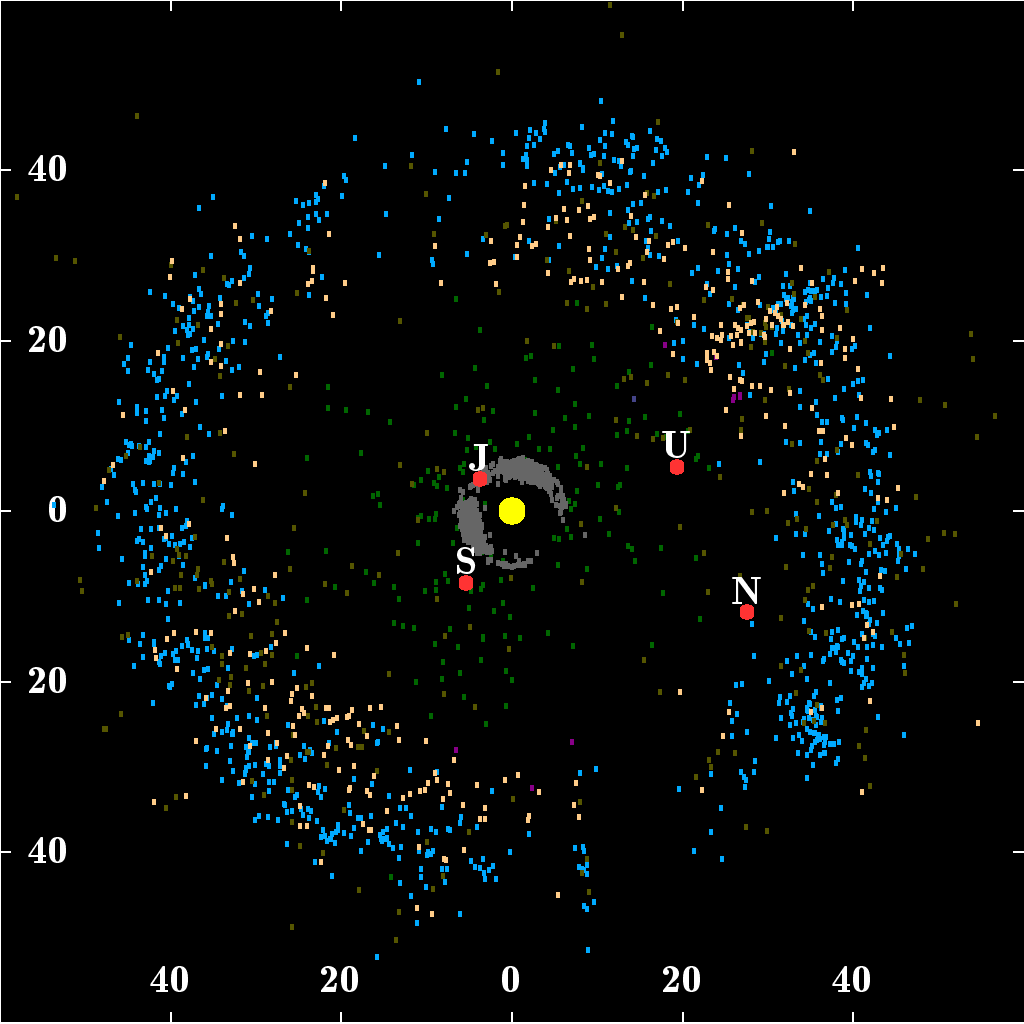
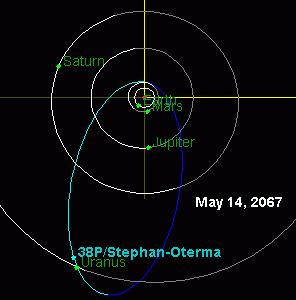
A centaur in astronomy is a small Solar System object whose orbit lies predominantly between the orbits of Jupiter and Neptune. These bodies move around the Sun on paths that can cross or be perturbed by the giant planets, so their orbits are often unstable on astronomical timescales. Centaurs are sometimes called outer-planet crossers because they interact dynamically with the outer planets.
Image gallery
9 Images





Physical characteristics
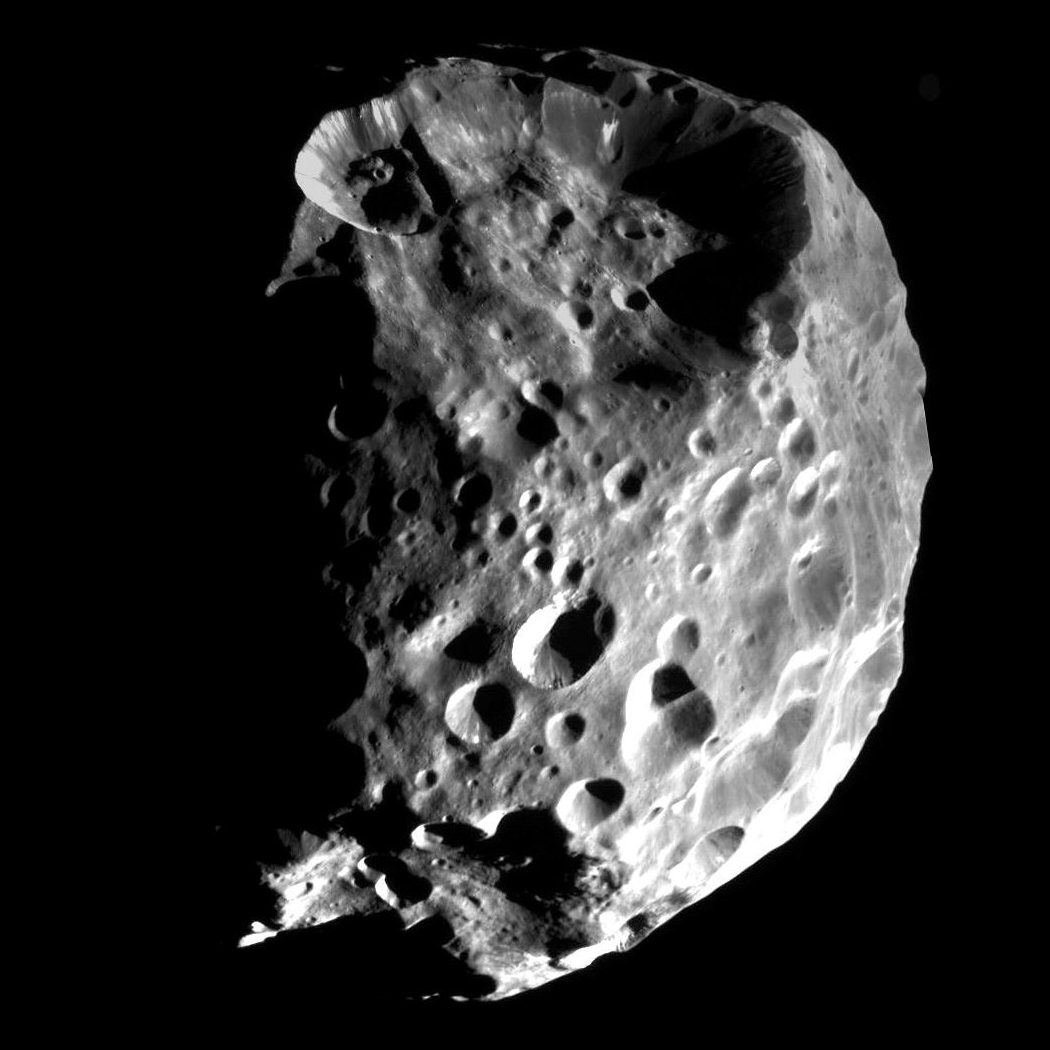
Centaurs are composed of mixtures of rock, dust and volatile ices, giving them features that overlap those of asteroids and comets. Some centaurs display faint comae or tails when heated by the Sun, indicating sublimation of ices; others look like inactive, dark bodies. Sizes vary widely among known centaurs, from a few kilometers to objects several tens or perhaps a few hundred kilometers across.
Origin and dynamics
Most researchers believe centaurs are former members of distant reservoirs such as the Kuiper belt or the scattered disk that have been scattered inward by gravitational interactions. Once moved into the region between the giant planets, their orbits become chaotic: encounters with large planets can change orbital energy and send them inward to become short-period comets, outward again, or eject them from the Solar System altogether. Typical dynamical lifetimes are much shorter than the age of the Solar System.
Classification and significance
Centaurs occupy a transitional category between asteroids and comets. They are often cataloged as minor planets but may receive cometary designations if activity is observed. Studying centaurs helps scientists learn about the composition of primordial icy material and the processes that transport small bodies through the planetary system.
Notable examples
- 2060 Chiron — one of the first recognized centaurs and known to show occasional cometary activity.
- 5145 Pholus — a dark, red object that helped define the class.
- 10199 Chariklo — notable for a system of rings detected by stellar occultation.
- Additional named centaurs serve as valuable targets for telescopic study and reveal a diversity of surfaces and behaviors.
Because of their unstable orbits and intermediate nature, centaurs are important for understanding how material moves between the outer and inner Solar System and for tracing the composition of primitive bodies beyond the planets.
Related articles
Author
AlegsaOnline.com Centaur (planetoid) Leandro Alegsa
URL: https://en.alegsaonline.com/art/17956
Sources
- daviddarling.info : "centaur"