
Celestus (galliwasps) — Caribbean diploglossid lizards
Celestus is a genus of diploglossid lizards known as galliwasps, native mainly to the Caribbean and nearby regions, noted for secretive habits, island endemism, and conservation concerns.
Celestus is a genus of lizards commonly called galliwasps. Members of this group belong to the family Diploglossidae (previously included with anguids in older classifications) and are recognized for their elongated bodies, well‑scaled skin, and secretive behavior. They are primarily associated with forested, leaf‑litter habitats and play a role as small predators of invertebrates and other small animals.
Image gallery
2 Images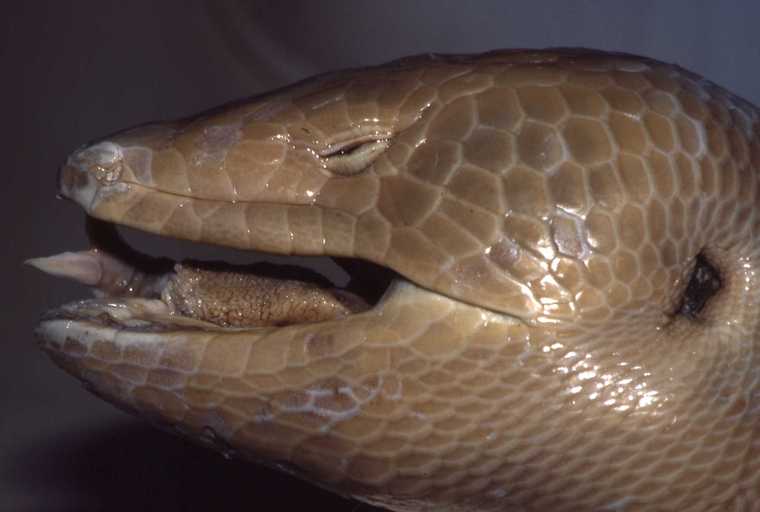

Characteristics
Species of Celestus vary in size and coloration but typically have a robust, somewhat elongate form with limbs that range from well developed to moderately reduced in certain species. Scales are often keeled or overlapping, producing a glossy or armored appearance. These lizards are usually terrestrial and spend much of their time hidden beneath logs, stones, or dense vegetation.
Distribution and habitat
Celestus species are native mainly to the West Indies and nearby mainland areas, with many species showing island endemism. Because individual species often occupy restricted ranges, local habitat quality—such as intact forest and undisturbed ground cover—strongly influences their persistence. Field guides and taxonomic databases provide up‑to‑date range maps and species accounts: see a taxonomic database entry here and a regional species list here.
Taxonomy, ecology, and conservation
Taxonomic study of Celestus has evolved with molecular methods, and some taxa formerly included within the genus have been reassigned as relationships became clearer. Ecologically, these lizards help control invertebrate populations and contribute to nutrient cycling in forest floors. Conservation concerns are common: several species are threatened by habitat loss, fragmentation, and introduced predators such as mongooses and rats, and many are vulnerable because of their limited distributions.
Notable facts
- Common name: galliwasp, used for several diploglossid lizards.
- Endemism: many Celestus species are restricted to single islands or small regions.
- Research: ongoing phylogenetic and conservation work refines species limits and protection priorities.
For general interest or scientific research, consult curated databases and recent literature to obtain current species lists, conservation status, and distributional updates, as taxonomy and threat assessments continue to change with new studies.
Related articles
Author
AlegsaOnline.com Celestus (galliwasps) — Caribbean diploglossid lizards Leandro Alegsa
URL: https://en.alegsaonline.com/art/17875