
Akechi Mitsuhide
Akechi Mitsuhide (c.1528–1582) was a Japanese samurai and general under Oda Nobunaga, best known for the Honnō-ji betrayal and its consequences during the Sengoku period.
Overview
Akechi Mitsuhide is remembered as a prominent samurai and military commander of Japan's late Sengoku period. His name in Japanese context is often discussed with regard to naming conventions: Japanese naming, the specific name form and the family surname Akechi. He is commonly given the life dates 1528–1582, though some sources record specific days in those years.
Image gallery
7 Images


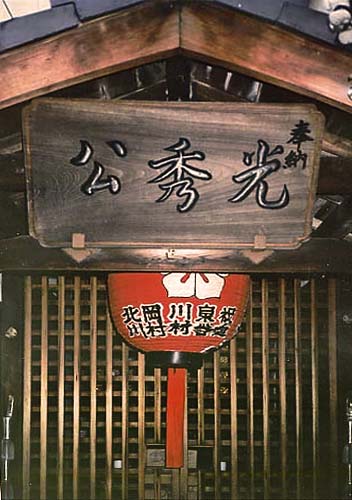
Background and career
Mitsuhide served as a retainer and general for rising warlords of the era and became especially associated with Oda Nobunaga. Described in many accounts as a samurai and a capable administrator, he held posts that involved both military command and governance. His role is also referred to with broader martial terms, such as warrior or commander in contemporary chronicles.
Origins
Born in a region often identified as Mino Province in central Honshu, Mitsuhide's early career brought him into contact with powerful daimyo of the period. He moved through the networks of vassalage common to the time and eventually served under Oda Nobunaga, participating in campaigns that helped consolidate Nobunaga's influence across much of Japan. His provincial origins in Mino Province placed him in a strategic area of political and military contest.
Honnō-ji and aftermath
The decisive event that defines Mitsuhide's historical reputation is the attack at Honnō-ji in 1582, when Nobunaga was forced into an untenable position and died. Mitsuhide moved quickly to assert power in the capital, but his control was short-lived: rivals and former allies reacted, and he was defeated within weeks. The motives behind his actions remain debated by historians and are often treated with caution in modern accounts.
Legacy and interpretations
Akechi Mitsuhide's legacy is complex: he appears in chronicles, literature, and drama as both traitor and pragmatic actor. Scholars emphasize the uncertain causes of his betrayal, the turbulent political climate, and the immediate military consequences that enabled Toyotomi Hideyoshi to rise. Cultural depictions range from sympathetic to condemnatory, reflecting the continuing fascination with his life.
Notable facts
- Role: Senior commander and provincial governor under dominant warlords.
- Event: Central figure in the Honnō-ji incident, which altered the course of the unification of Japan.
- Debate: Motives for his actions are still discussed by historians and appear in many works of art and popular culture.
Related articles
Author
AlegsaOnline.com Akechi Mitsuhide Leandro Alegsa
URL: https://en.alegsaonline.com/art/1780
Sources
- books.google.com : "Akechi Mitsuhide"
- books.google.com : "Honnō-ji"