
Akhtar Mohammad Mansour
Afghan Taliban leader (c.1968–2016) who rose to become the movement's emir after Mullah Omar; led insurgent operations and was killed in a U.S. drone strike in 2016.
Akhtar Mohammad Mansour was a senior Taliban leader who emerged as the movement's emir after the long concealment of his predecessor's death. Often referred to simply as Mullah Mansour, he was a prominent figure in the Taliban's leadership and decision-making structures during the insurgency that followed the 2001 intervention in Afghanistan.
Born around the late 1960s, Mansour belonged to the Pashtun social milieu associated with the Taliban's original core. Sources describe him as a long-time member of the movement who served in various administrative and military roles under the Taliban administration of the 1990s and later as a senior deputy to Mullah Omar. He is identified in some reports by the honorific Mullah and by Pashto-language forms of his name (Pashto).
Image gallery
1 Image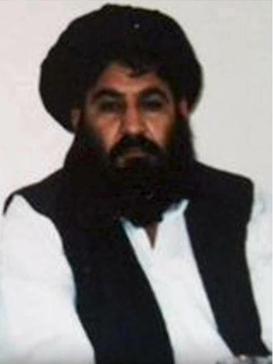
Rise to leadership and internal dynamics
After the death of the Taliban's founder was publicly acknowledged, Mansour was announced as the group's emir in mid-2015. His appointment deepened existing tensions within the movement because the timing and handling of Mullah Omar's death had been opaque and controversial. Mansour was seen by many analysts as a pragmatic but hardline manager who attempted to consolidate central control over disparate commanders and regional networks, including elements linked to the Haqqani network.
Policies, negotiations and reputation
Under Mansour's leadership the Taliban continued offensive operations against Afghan and international forces and pursued political influence inside Afghanistan. At the same time there were intermittent reports of outreach and indirect contacts with foreign governments and intermediaries about possible talks, but Mansour remained associated with the continuation of armed insurgency rather than an immediate shift toward compromise.
Death and aftermath
On 21 May 2016 a U.S. official said that Mansour had been killed in a targeted strike in Pakistan. The announcement, made by representatives including the United States Department of Defense, marked a significant moment in the conflict. His death produced a rapid leadership transition and prompted concerns about further fragmentation and retaliatory attacks. Within weeks the movement named a successor to lead the organization.
Notable facts and legacy
- Mansour's tenure highlighted tensions between local commanders and a centralizing leadership seeking tighter control.
- His elevation exposed debates over succession, legitimacy, and the handling of Mullah Omar's death.
- The strike that killed him drew attention to cross-border sanctuaries and the challenges of pursuing insurgent leaders.
For further reading and primary-source statements from different actors involved, see official or archived statements and contemporary reporting on the Taliban's leadership changes and the 2016 strike.
Taliban accounts, Afghan government statements, and international analyses continue to be the main sources for reconstructing Mansour's role and the consequences of his removal from the leadership ranks.
Contextual materials and follow-up coverage are available through academic and policy publications that examine leadership, insurgent governance, and regional security dynamics in the years surrounding Mansour's tenure.
Related articles
Author
AlegsaOnline.com Akhtar Mohammad Mansour Leandro Alegsa
URL: https://en.alegsaonline.com/art/1792
Sources
- books.google.com : 88 Days to Kandahar: A CIA Diary
- books.google.com : books.google.com/books?id=Oj7KBQAAQBAJ&pg=PA367&dq=Akhtar+Mansoor+Hezb-i-Islami&hl=en&sa=…
- rte.ie : "Taliban leader reportedly killed in drone strike – RTÉ News"
- theguardian.com : "US drone strike in Pakistan kills Taliban leader Mullah Mansoor"