
Cayetana Fitz-James Stuart, 18th Duchess of Alba
Spanish aristocrat (1926–2014), head of the historic House of Alba, noted for her many hereditary titles, stewardship of important art collections, estates and a highly visible public life.
María del Rosario Cayetana Fitz-James Stuart y de Silva (28 March 1926 – 20 November 2014) was a Spanish aristocrat who served as head of the historic House of Alba. Commonly known as the 18th Duchess of Alba, she was a prominent public figure in Spain and internationally, combining dynastic duties with cultural patronage and frequent media attention. Born at the Liria Palace in Madrid, she inherited a prominent social position and the rank of Grandee of Spain, the highest dignity of the Spanish nobility.
Image gallery
4 Images
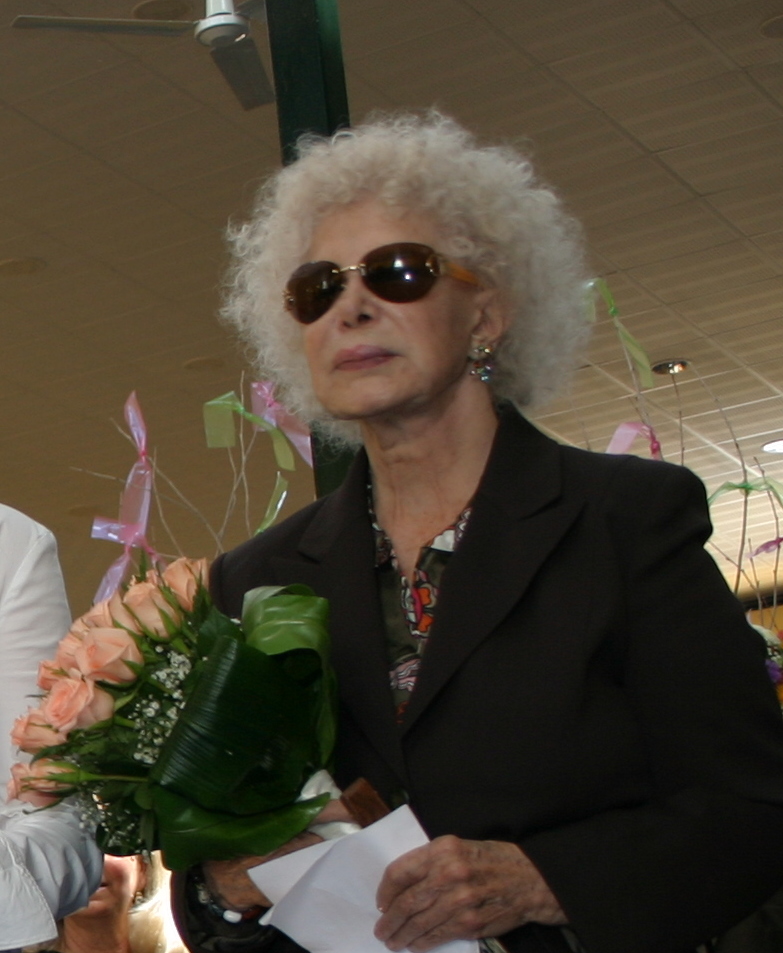


Background and lineage
The duchess descended from the Fitz-James Stuart family, an old noble lineage with long ties to Spanish and European aristocracy. As head of her house she represented a continuity of familial and institutional traditions that include ceremonial roles, the stewardship of private archives and the maintenance of historic residences. The hereditary ducal title is one element of a wider network of honors and responsibilities associated with her name; for more on the title see general reference material about the ducal title.
Estates, collections and cultural role
The House of Alba maintained several notable properties that were part private home and part cultural patrimony. In addition to the Liria Palace in Madrid, family residences included the Palacio Palacio de las Dueñas in Seville and other town palaces and country estates. Over generations the family assembled an important private collection of paintings, tapestries and decorative arts; the duchess was widely regarded as a custodian of that heritage and worked with museums, scholars and conservators to manage and exhibit selected items.
Personal life and public image
Cayetana Fitz-James Stuart's personal life attracted sustained media interest. She married and raised a family, and in later years a high-profile marriage and her flamboyant public persona drew widespread coverage. Known for an eclectic sense of style, friendships with artists and a willingness to appear in the public eye, she was often presented in the press as an eccentric yet influential cultural figure. Her activities included philanthropic gestures, support for cultural initiatives and participation in public events.
Legacy, death and succession
The duchess died on 20 November 2014 at the Palacio de las Dueñas in Seville. Her passing prompted commentary about the role of hereditary nobility in contemporary Spain, the responsibilities of private families to preserve cultural collections, and the future use of historic properties. Her titles, estates and archival materials passed to her heirs and remain subjects of interest to historians, curators and the public. News coverage and tributes at the time offered biographical overviews and reflections on her public role; contemporary accounts and obituaries provide additional context and recollections of her life and influence, see general press coverage and compiled notices here.
For further institutional information consult resources related to the House of Alba, the ducal title, guides to the family's historic palaces and curated catalogues of their collections. Academic and curatorial studies examine the family's archives and artworks, while popular journalism documented the duchess's later years, public appearances and the transition of responsibilities to her successors.
Related articles
Author
AlegsaOnline.com Cayetana Fitz-James Stuart, 18th Duchess of Alba Leandro Alegsa
URL: https://en.alegsaonline.com/art/17753
Sources
- dailymail.co.uk : "Duchess of Alba dies"