
Cecil Parkinson: British Conservative politician and cabinet minister
Overview of Cecil Parkinson (1931–2016), a leading Conservative politician in Margaret Thatcher's era, his career, resignation over a personal scandal, later peerage, and public legacy.
Cecil Edward Parkinson, Baron Parkinson (1 September 1931 – 22 January 2016), was a prominent British Conservative politician who served as a senior minister and cabinet member in the 1970s and 1980s. He was widely regarded as an effective communicator and a close political ally of Prime Minister Margaret Thatcher. For an official biographical summary see his parliamentary profile.
Image gallery
2 Images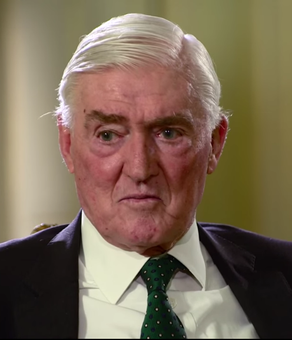

Early life and entry into politics
Born in 1931, Parkinson trained and worked in business before entering electoral politics. He was elected to the House of Commons in the 1970s and quickly gained a reputation as a persuasive campaigner and organiser. His rise within the Conservative Party reflected a blend of managerial skill and media aptitude.
Parliamentary career and ministerial roles
Parkinson served in senior roles within Conservative governments and was appointed to the cabinet during the Thatcher era. He helped shape party strategy and government communications, and he held responsibility for significant policy areas during his time in ministerial office. Contemporary accounts and retrospectives discuss his influence on party organization and public presentation; for further reading see selected commentaries.
1983 resignation and later return
His career was disrupted in 1983 when he resigned from the cabinet after acknowledging a long-running relationship with his former private secretary, who had become pregnant. The episode attracted intense media attention and affected his frontline political standing for several years. Parkinson later returned to public office and continued to serve in various capacities before leaving the Commons and accepting a life peerage, taking the title Baron Parkinson.
Legacy and assessment
- Recognised for political skill: remembered as a talented organiser and communicator.
- Controversy and public scrutiny: his resignation remains one of the more notable political scandals of its period.
- Later life: sat in the House of Lords and participated in public debate until retirement; obituaries and analyses of his career are available from major British news outlets and archives.
Cecil Parkinson died in January 2016. Historians and commentators continue to weigh his contributions to Conservative politics against the personal controversy that interrupted his ministerial trajectory, making him a significant figure in the study of late 20th-century British government.
Related articles
Author
AlegsaOnline.com Cecil Parkinson: British Conservative politician and cabinet minister Leandro Alegsa
URL: https://en.alegsaonline.com/art/17799
Sources
- telegraph.co.uk : "The only promise Cecil Parkinson ever kept - never to see his daughter"
- theguardian.com : "Tory peer Cecil Parkinson retires from House of Lords"
- news.sky.com : "Lord Cecil Parkinson dies aged 84"