
Castries, Saint Lucia — capital city and port overview
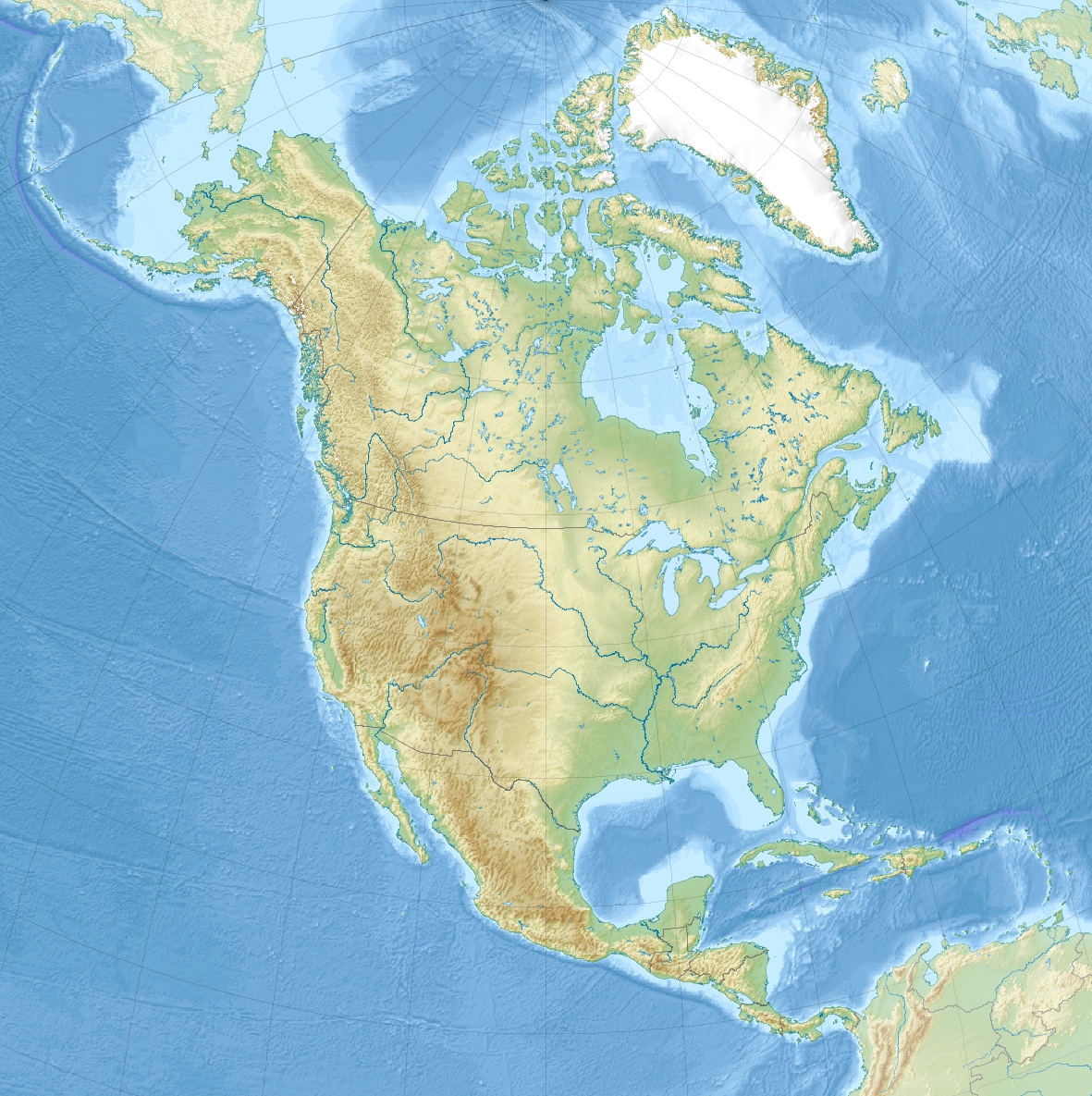
Castries is the capital and principal port of Saint Lucia in the Windward Islands of the Caribbean, noted for its harbor, colonial heritage, markets, and role in shipping bananas, sugarcane and rum.
Overview
Castries is the administrative capital and main urban center of Saint Lucia, an island state in the Windward Islands group of the Caribbean. The city sits on a sheltered harbor on the island's northwest coast and serves as the primary point of arrival and departure for goods and many visitors. Population counts vary by definition of city limits and metropolitan area; the settled urban core is small compared with the broader parish and surrounding suburbs.
Image gallery
10 Images



Geography and layout
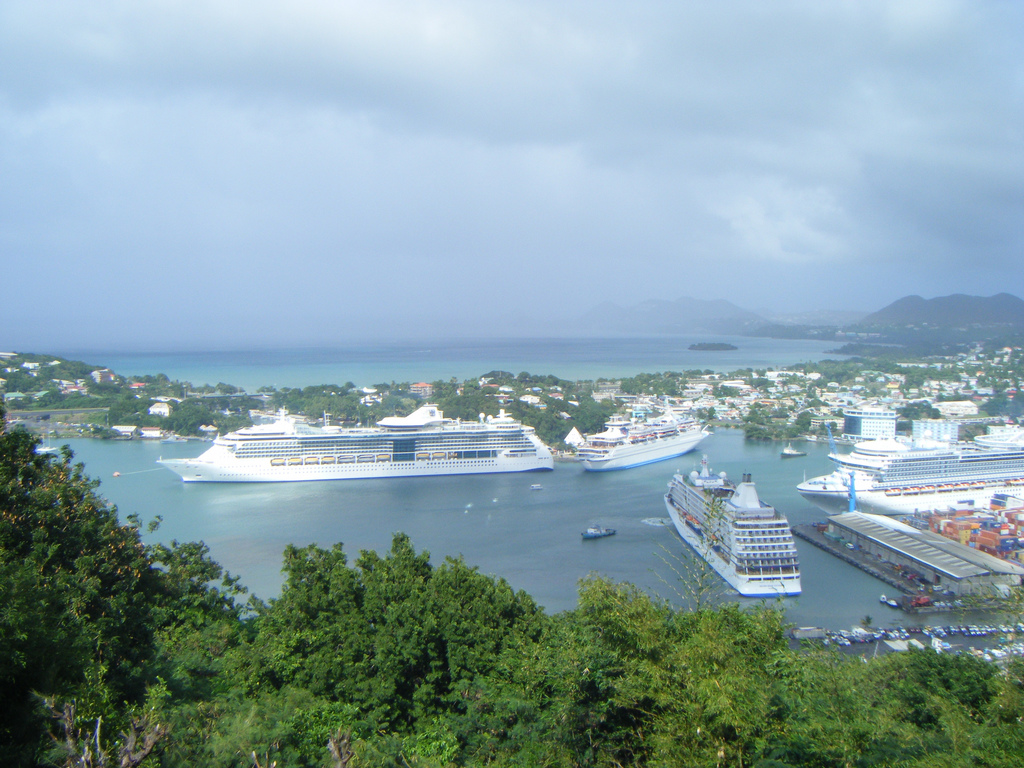
Castries occupies a compact coastal plain that opens onto a deep natural harbor. The surrounding landscape is hilly to rugged, with residential neighborhoods and commercial strips climbing nearby slopes. Urban development clusters around the waterfront and extends inland along major roads that connect to other towns. The harbor's shape and depth have shaped the city's role as a port and transport hub.
History and development
The city developed under European colonial rule and reflects French and British influences in street patterns, place names and architecture. Over time Castries grew as the island's chief administrative, commercial and shipping center. Its built environment includes colonial-era public spaces, government buildings and churches that mark successive phases of urban growth. The city's modern form also owes much to rebuilding after fires and storms in the 19th and 20th centuries.
Economy and the port
Castries is best known for its busy harbor and related maritime activity. The port handles cargo, fishing vessels and cruise ships; cruise tourism is an important source of income for local businesses. Historically and today agricultural exports have been significant: shipments of bananas, sugarcane-derived products and tropical produce move through the port, alongside processed goods such as rum. The local economy also relies on government services, retail trade and tourism-related enterprises.
Culture, landmarks and transport
Castries combines public markets, civic squares and churches that serve both daily life and tourism. Notable public spaces and historic buildings concentrate near the waterfront and main streets, while markets sell fresh produce, crafts and local foods. The city is a starting point for excursions inland and for inter-island ferries; air passengers use nearby airports and road connections link Castries with other parts of Saint Lucia. Cultural life includes festivals, music and events that reflect the island's Creole heritage.
Notable facts and challenges
- Castries functions as both the political capital and the island's main commercial port.
- Its economy blends maritime trade, tourism and public administration.
- Like many Caribbean ports, it must adapt to storm risk, coastal development pressures and changing trade patterns.
For more detailed administrative, historical or travel information consult official and regional resources that focus on government services, port operations and visitor services.
Castries is centrally associated with the identity of Saint Lucia and sits within the broader geography of the Windward Islands in the Caribbean. Its maritime role is highlighted by references to the port and to staple exports such as bananas and rum.
Related articles
Author
AlegsaOnline.com Castries, Saint Lucia — capital city and port overview Leandro Alegsa
URL: https://en.alegsaonline.com/art/17546