
Castro Valley, California
Castro Valley is an unincorporated suburban community in Alameda County, California, in the East Bay. Known for its valley setting, schools, parks and community services, it had population 61,388 at the 2010 census.
Overview
Castro Valley is a residential community in the East Bay region of the San Francisco Bay Area. It is a census-designated place within Alameda County in California. The community is unincorporated and therefore administered directly by the county rather than by a city government; it was home to 61,388 people at the 2010 U.S. Census and is one of the larger unincorporated areas in the state and nation.
Image gallery
10 Images





Geography and character
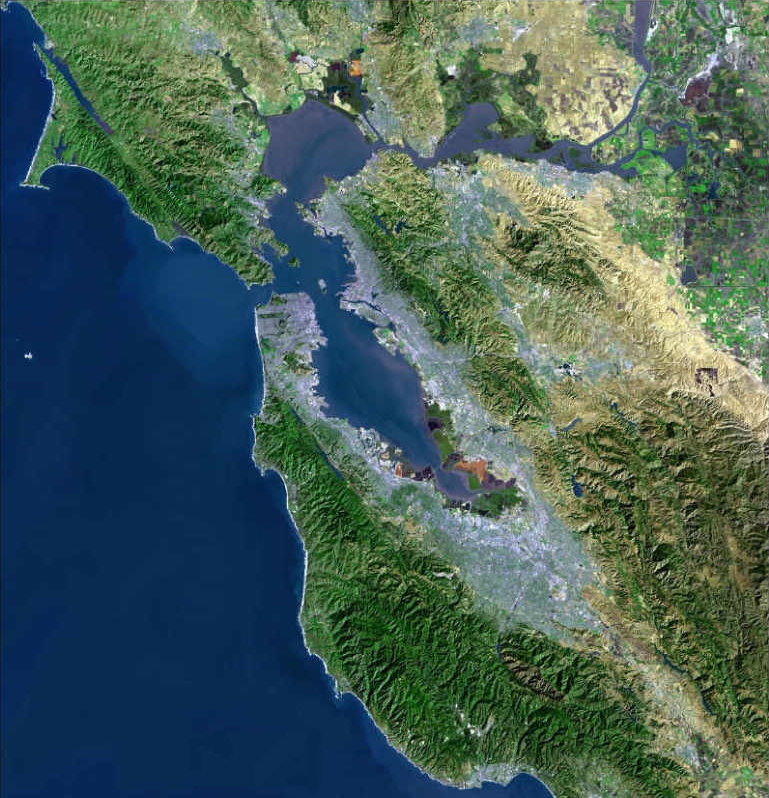
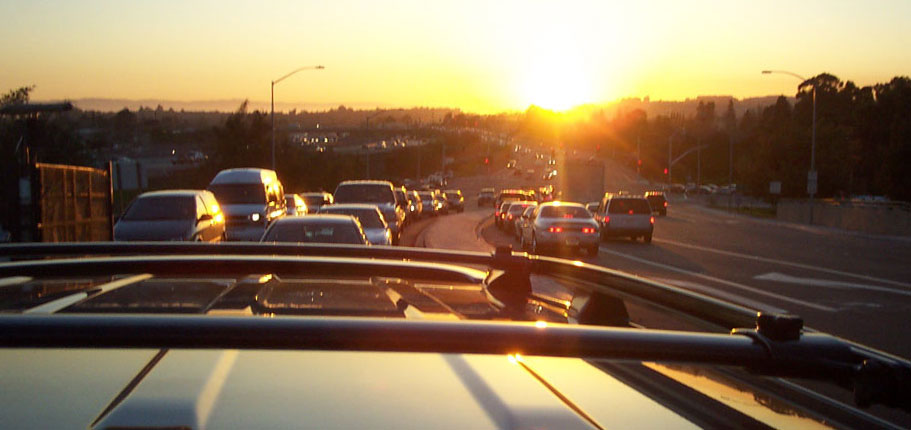
Named for the valley that defines its setting, Castro Valley combines suburban neighborhoods, small commercial centers and open hillsides. Streetscapes range from tree-lined residential corridors to busy retail strips clustered around Castro Valley Boulevard and portions of Highway corridors. Nearby regional parks and reservoirs offer hiking, picnicking and outdoor recreation, while local parks provide sports fields and community facilities.
History and development
The area traces its European-American roots to 19th-century Mexican land grants and ranching families; over time ranch and agricultural lands were subdivided into residential parcels as the San Francisco Bay Area expanded. Growth accelerated in the 20th century with improved roads and commuter connections, producing the suburban pattern that remains today. The community has preserved pockets of natural hillside and oak woodlands amid suburban development.
Government, services and schools
As an unincorporated community, Castro Valley receives law enforcement, planning and public works services from Alameda County and operates several local special districts. Education is provided by the Castro Valley Unified School District, with neighborhood elementary schools, middle schools and Castro Valley High School serving local students. Health care is available through community hospitals and clinics that serve the East Bay.
Economy, transport and amenities
Local commerce is concentrated in neighborhood shopping centers and small business corridors offering restaurants, shops and professional services. Public transit and regional highways connect residents to employment centers elsewhere in the Bay Area. Outdoor amenities such as Cull Canyon and nearby regional parks, trail networks and community recreation programs play a prominent role in local life.
Notable facts and identity
- Castro Valley is often described as suburban but retains accessible open space and regional parkland.
- Because it is unincorporated, issues such as incorporation and the balance of local control versus county governance periodically arise in community discussions.
- Visitors and residents alike use a range of county and regional resources for education, health care and recreation.
For official boundary definitions, demographic details and recent planning matters consult county sources and regional data portals via the community and government pages linked above.
Related articles
Author
AlegsaOnline.com Castro Valley, California Leandro Alegsa
URL: https://en.alegsaonline.com/art/17549
Sources
- census.gov : "US Gazetteer files: 2010, 2000, and 1990"
- senate.ca.gov : "Senators"
- assembly.ca.gov : "Members Assembly"
- govtrack.us : "California's 15th Congressional District - Representatives & District Map"
- census.gov : "U.S. Census"
- geonames.usgs.gov : "Castro Valley"