
Cary, North Carolina
Cary is a suburban town in Wake County, North Carolina, known for rapid growth, parks, and a strong connection to the Research Triangle and regional technology economy.
Overview
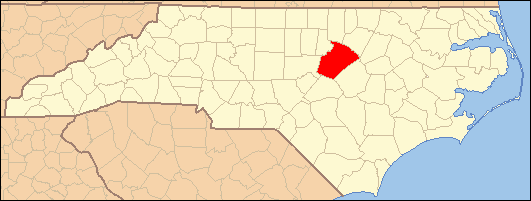
Cary is a municipality in Wake County, in the state of North Carolina, in the United States. It developed from a rural crossroads into a large suburban community associated with the Research Triangle metropolitan area. As a place of residence it is known for planned neighborhoods, recreational greenways, and public services that support family life and business.
Image gallery
10 Images


Characteristics and layout
The town combines residential subdivisions, commercial centers, parks and business parks. Public amenities include community centers, libraries, extensive bike and walking trails, and a range of school options. Many neighborhoods are designed with sidewalks and shared open space, and local planning emphasizes tree cover and stormwater management.
History and growth
Cary grew from a small railroad-era settlement into a sizable suburban municipality during the late 20th century as the nearby Research Triangle and Raleigh area expanded. Industrial change and the expansion of technology, education and health-care employers in the region contributed to population increase. For example, census and media reports have documented rapid growth; a national outlet, CNN, noted Cary among fast-growing U.S. cities in the 2000s. As of January 1, 2008, Cary's population was reported at 127,640.
Economy and institutions
The local economy is tied to the wider regional cluster of universities, research institutions and technology firms. Cary hosts a mix of small businesses, corporate offices, and service industries. Residents commonly commute to nearby employment centers while also working in town at professional services, retail, and municipal jobs.
Recreation, culture and notable features
- Extensive parks and greenways for walking, cycling and community events.
- Community arts programs, theaters and seasonal festivals that serve a diverse population.
- Emphasis on public safety, schools and municipal services that attract families.
Cary's role in the Research Triangle and its steady suburban development make it a significant component of central North Carolina's urban and economic landscape. Visitors and prospective residents often encounter a blend of planned suburban amenities with proximity to larger metropolitan resources.
Related articles
Author
AlegsaOnline.com Cary, North Carolina Leandro Alegsa
URL: https://en.alegsaonline.com/art/17364
Sources
- townofcary.org : townofcary.org
- money.cnn.com : "The 258 fastest growing U.S. cities"
- commons.wikimedia.org : Cary, North Carolina