
Horace (Quintus Horatius Flaccus) — Roman lyric poet and satirist
Profile of Horace, the Roman poet (Quintus Horatius Flaccus): life, major works, themes, style, and lasting influence on literature and criticism.
Overview
Quintus Horatius Flaccus, commonly known in English as Horace, was a leading Roman poet whose work shaped Latin lyric, satire, and literary criticism. He lived during the late Republic and early Empire; traditional dates place his birth in 65 BC and his death in 8 BC. Horace wrote in a range of forms and is widely regarded as one of the most influential poets of the classical world, composing for readers and patrons within the cultural setting of the Roman Empire.
Image gallery
10 Images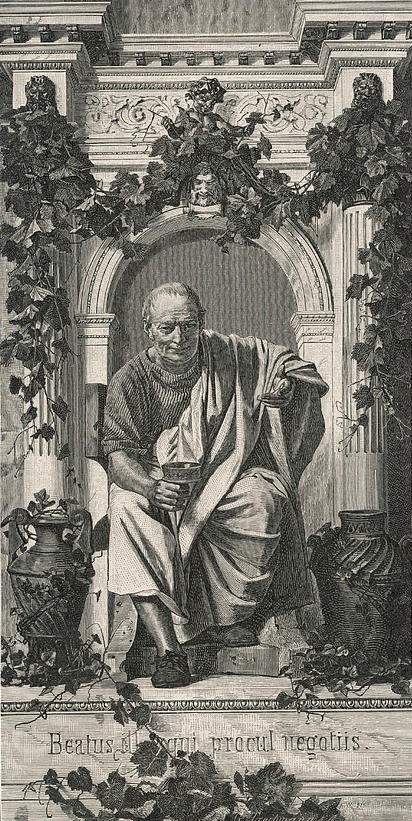

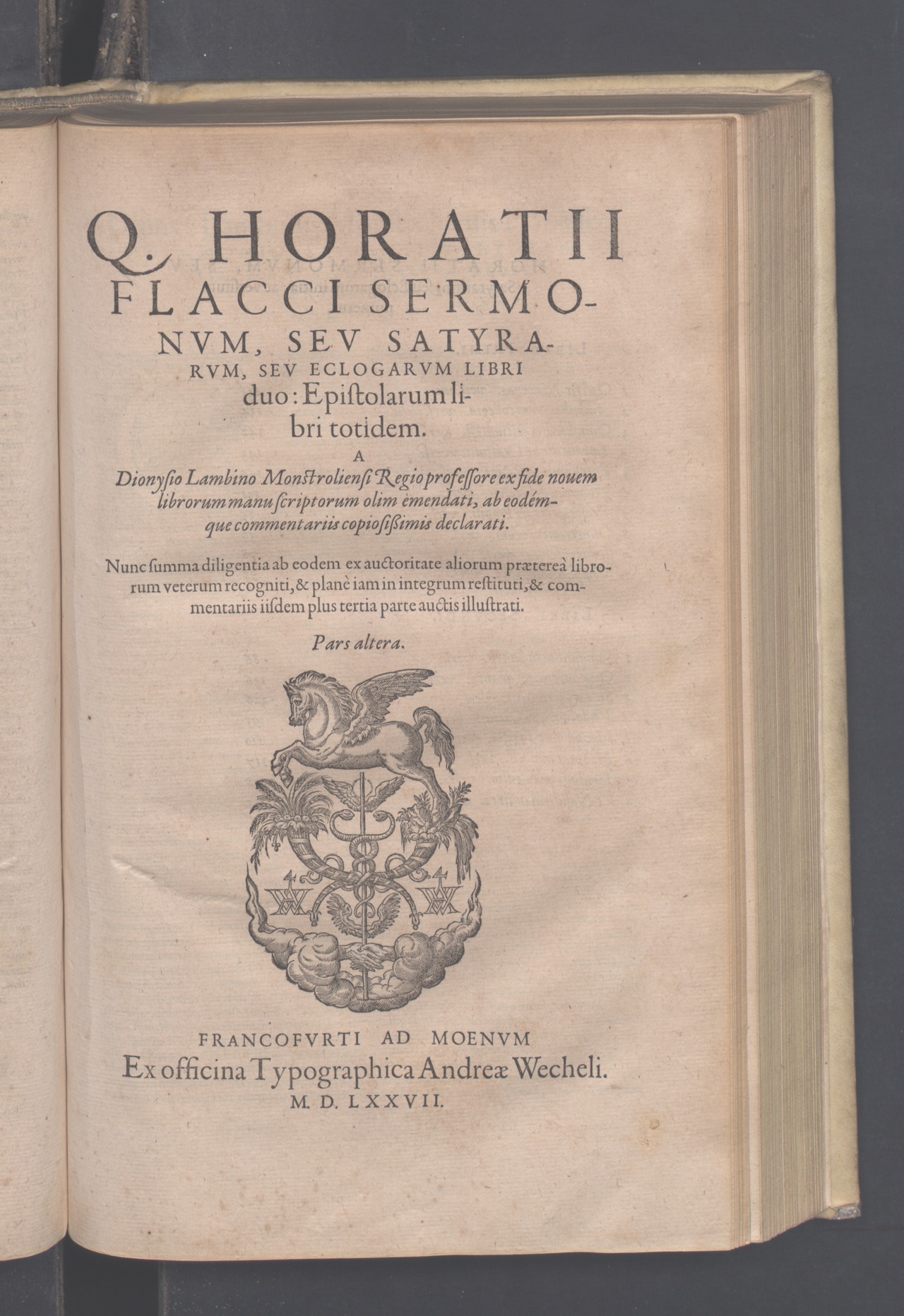


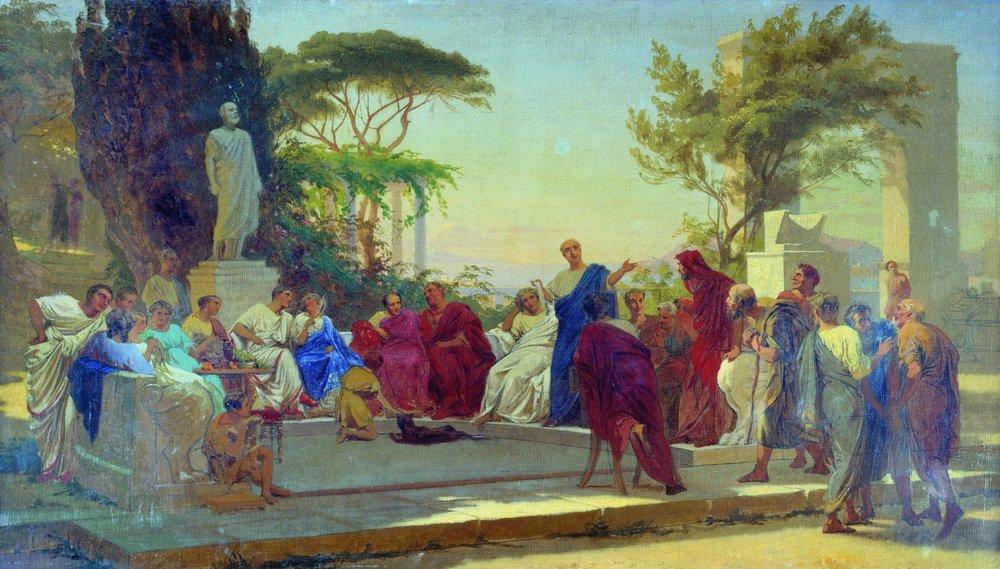

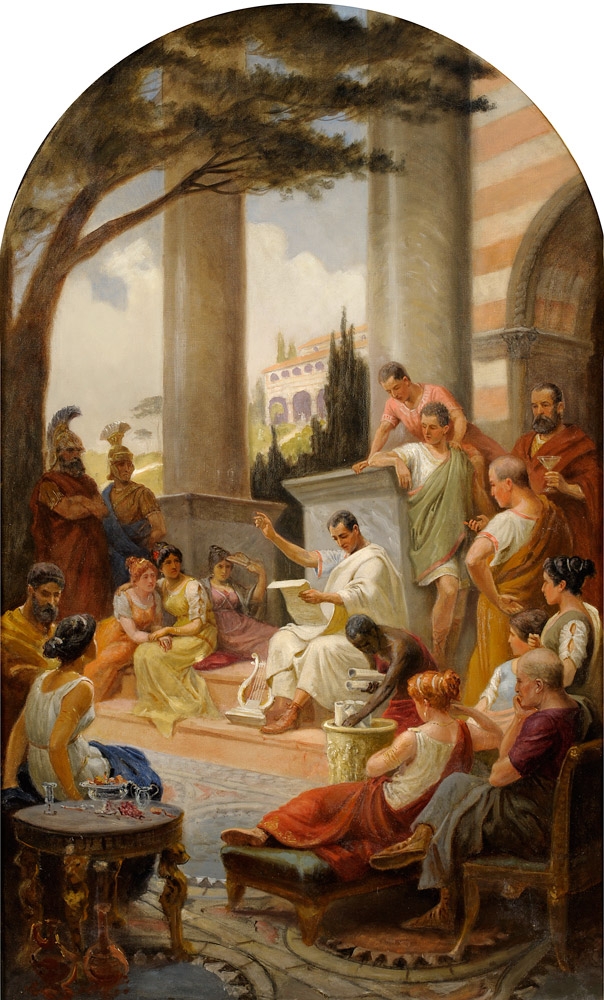

Life and career
Born in Venusia to a freedman father, Horace received a formal education that included study of Greek literature and philosophy. He served briefly in the Roman army and was present at political conflicts during the transition from Republic to Empire. After his military experience he settled in Rome, gained a circle of literary friends and secured the patronage of Maecenas, which allowed him to devote himself fully to writing. His career combined public recognition with private reflection and social observation.
Major works
Horace produced several distinct bodies of work that together display versatility and polished craft. Principal collections include:
- Odes (Carmina) — lyric poems on love, politics, and philosophy.
- Satires (Sermones) — conversational verse blending moral comment and humor.
- Epistles — letters in verse addressing poetic practice and daily life.
- Ars Poetica — a didactic poem offering guidance on literary composition and criticism.
Style and themes
Horace's style is marked by clarity, elegance, and economy. He adapted Greek meters to Latin, favored balanced phrasing, and often mixed serious reflection with playful irony. Frequent themes include the proper conduct of life, moderation (the famous notion of the "golden mean"), the responsibilities of friendship and patronage, and practical advice to poets and citizens. His voice ranges from intimate confession to urbane social commentary.
Legacy and influence
Horace shaped Western literary taste for centuries: his odes provided models for lyric poets, his satires influenced prose and verse humor, and the Ars Poetica became a foundational text in discussions of poetics and criticism. Later writers, translators, and educators have continually turned to his aphorisms and polished lines for instruction and inspiration.
Notable distinctions
Horace is remembered both for his technical mastery of form and for achieving a balanced moral outlook in turbulent political times. His work bridges Hellenistic Greek models and emergent Roman cultural identity, making him central to studies of classical literature and reception. For further reading consult entries and translations linked through library and academic resources such as biographical summaries, editions of his texts at scholarly sites and commentaries available online; introductory overviews and modern analyses can be found at educational portals and literary guides as well as specialized research repositories .
Related articles
Author
AlegsaOnline.com Horace (Quintus Horatius Flaccus) — Roman lyric poet and satirist Leandro Alegsa
URL: https://en.alegsaonline.com/art/45085