
Carousel (musical)
A 1945 Rodgers and Hammerstein stage musical based on Ferenc Molnár's Liliom, noted for its songs, Agnes de Mille choreography, exploration of redemption, and lasting cultural influence.
Overview
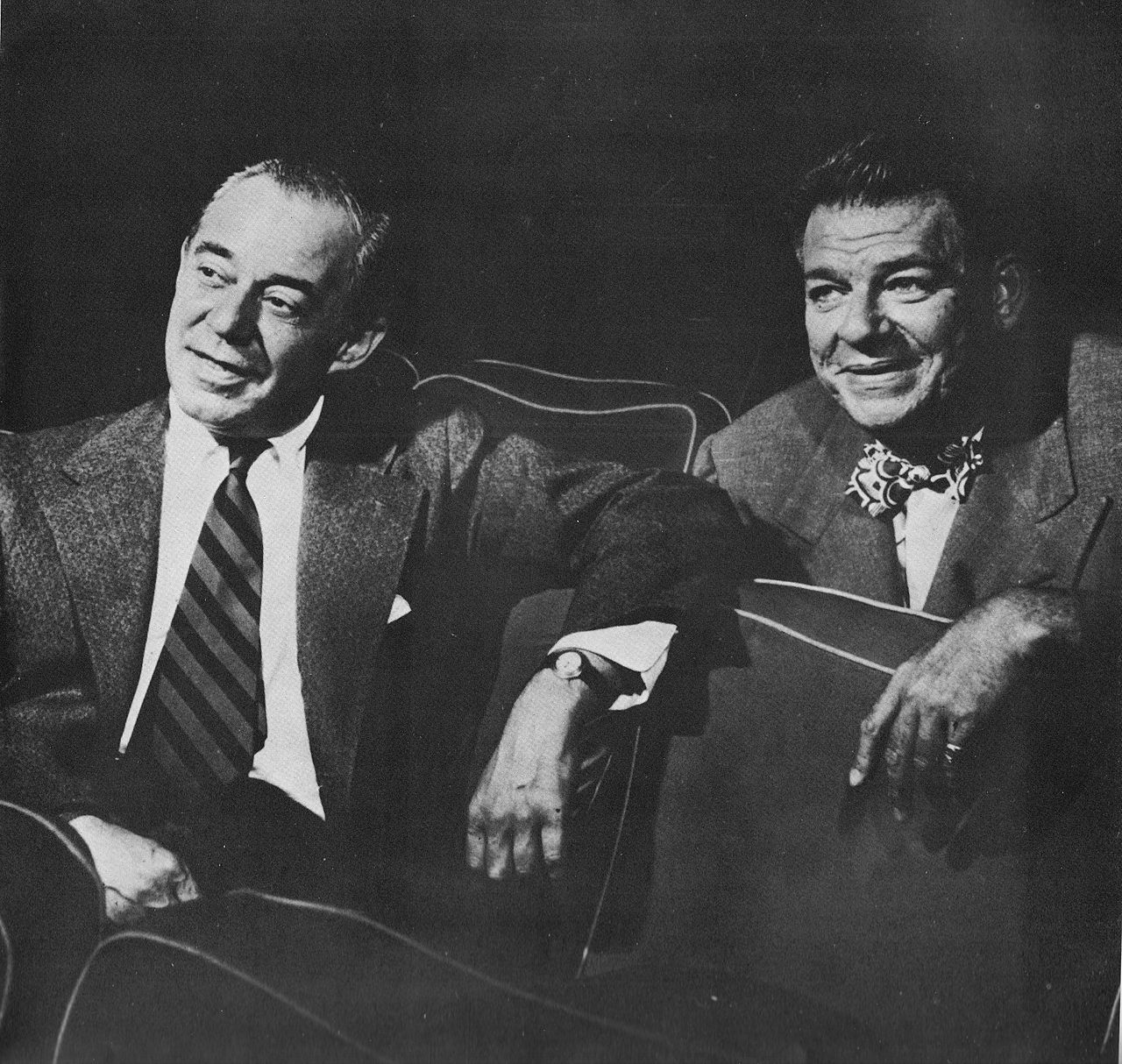
Carousel is a stage musical with music by Richard Rodgers and book and lyrics by Oscar Hammerstein II. It premiered in 1945 as the second collaboration by Rodgers and Hammerstein, adapting Ferenc Molnár's 1909 play Liliom. The show combines romantic songs, serious dramatic themes and extended dance sequences to tell a story that moves between realism and a supernatural second act.
Image gallery
10 Images





Plot and musical highlights
Set in a small New England coastal town, the plot follows Billy Bigelow, a charismatic but troubled carousel barker, and his relationship with Julie Jordan. The narrative traces courtship, a desperate crime intended to secure the future of the couple's child, and Billy's death and return as a spirit seeking to put things right. The score includes enduring numbers such as "If I Loved You," the conversational "Soliloquy," and the hymn-like "You'll Never Walk Alone." These songs serve both character development and broader emotional statements.
Original production and creative team
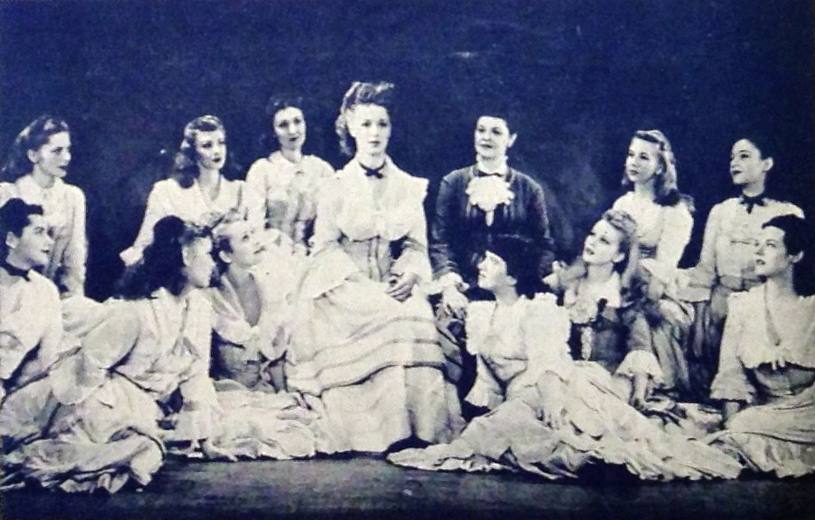
The original Broadway production opened at the Majestic Theatre on 19 April 1945 and ran through 24 May 1947 for 890 performances. It starred John Raitt as Billy and Jan Clayton as Julie, was directed by Rouben Mamoulian, and featured choreography by Agnes de Mille and scenic and lighting design by Jo Mielziner. Carousel received the inaugural New York Drama Critics' Circle Award for Best Musical for 1945–46.
Dance, staging, and innovations
One of Carousel's most notable contributions to musical theatre is its use of dance to advance plot and psychology. Agnes de Mille's choreography, including an extended dream-ballet sequence, used movement to reveal characters' inner lives rather than functioning only as spectacle. The show also pushed American musical theatre toward more serious subject matter—domestic struggle, regret and the possibility of moral redemption—while retaining the genre's lyricism.
Revivals, adaptations and legacy
Carousel has been revived frequently on Broadway and in major theatres internationally, and it reached film audiences in a 1956 studio adaptation by Twentieth Century-Fox starring Gordon MacRae and Shirley Jones. The score has yielded standards recorded by many artists, and the anthem-like "You'll Never Walk Alone" has entered popular culture beyond the theatre, becoming associated with sporting and communal solidarity in many contexts.
Notable facts and resources
- Carousel is a musical adaptation of Ferenc Molnár's Liliom, adapted earlier by Benjamin Glazer before Rodgers and Hammerstein's version.
- Its mixture of tragic elements with memorable melodies marks it as a bridge between operatic drama and the modern American musical.
- For historical context and production details see contemporary accounts of the original Broadway production and later performances in the West End.
Related articles
Author
AlegsaOnline.com Carousel (musical) Leandro Alegsa
URL: https://en.alegsaonline.com/art/17217
Sources
- guidetomusicaltheatre.com : Guide to Musical Theatre: Carousel
- dramacritics.org : New York Drama Critics' Circle 1945-1946
- imagi-nation.com : Imagi-nation: Carousel
- broadwaymusicalhome.com : Broadway Musical Home; Carousel