
Carlos Páez Vilaró
Uruguayan multidisciplinary artist (1923–2014) known for painting, ceramics, murals, music and the sculptural coastal building Casapueblo; prominent figure in 20th-century Uruguayan culture.
Carlos Páez Vilaró (1 November 1923 – 24 February 2014) was a Uruguayan multidisciplinary artist whose work encompassed painting, pottery, sculpture, muralism, music and writing. Born in Montevideo into a family of Catalan ancestry, he became a nationally celebrated cultural figure through a prolific career that combined visual arts, composition and architectural experimentation.
Image gallery
4 Images


Life and career
Páez Vilaró began as a painter and soon embraced ceramics and large-scale public work. He travelled widely in Latin America and Europe, drawing on Mediterranean forms, Afro-Uruguayan rhythms such as candombe, and popular craft traditions. From the mid-20th century he exhibited internationally and received commissions for murals and public artworks. He also composed musical pieces and at times conducted ensembles, integrating performance and visual presentation in exhibitions. For basic biographical sources see biography resources and for his musical activity consult musical archives.
Major works and Casapueblo
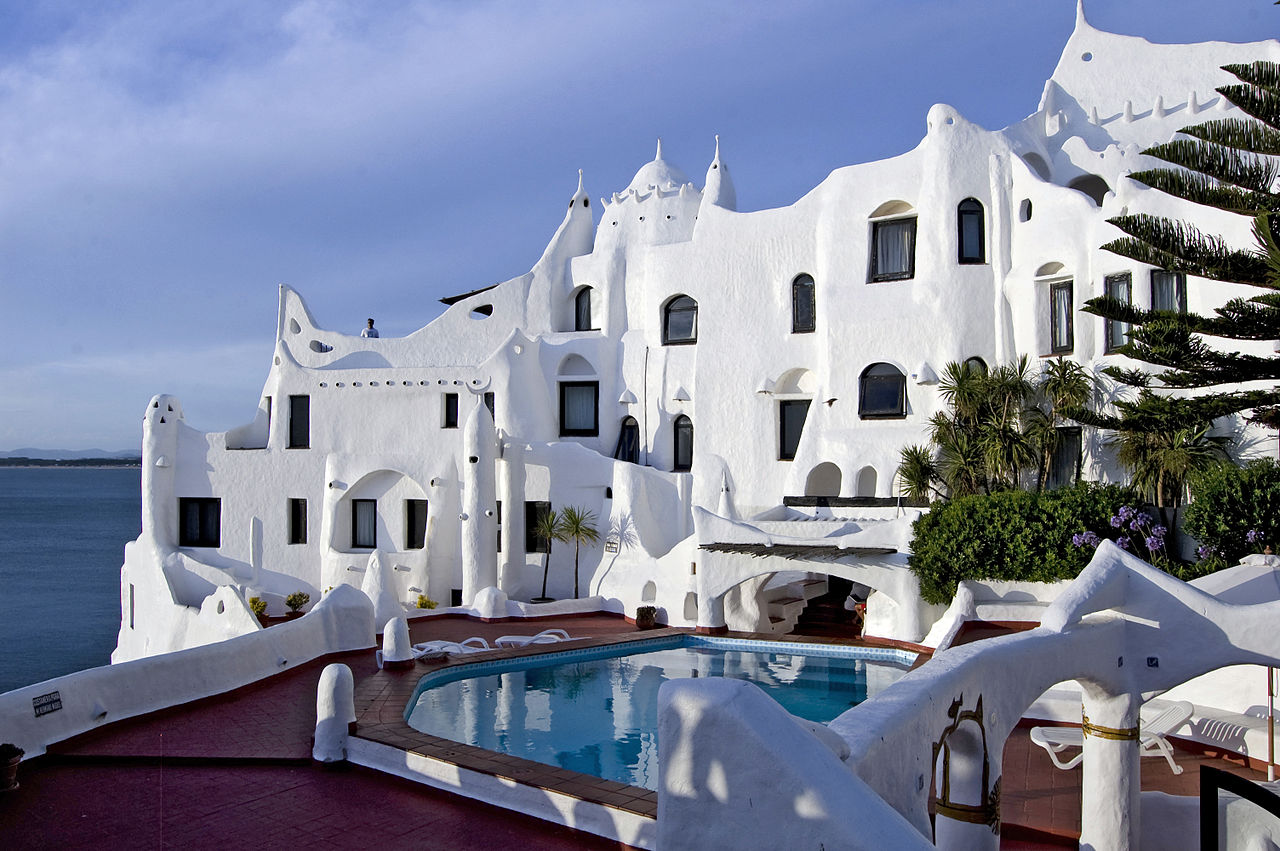
One of his best-known creations is Casapueblo, a white, sculptural complex near Punta del Este that he developed over decades as a studio, gallery and guesthouse. With its irregular terraces, organic forms and views over the coast, Casapueblo reflects a blend of vernacular Mediterranean aesthetics and an idiosyncratic, handmade approach to construction. The building functions today as a museum and cultural venue that houses artworks, ceramics and exhibition spaces.
Páez Vilaró worked across media, including:
- Painting and abstract compositions
- Ceramics, decorative pottery and large mural panels
- Sculpture and architectural projects
- Musical composition and staged performances
He wrote on art and culture and participated in multidisciplinary projects that sought to bring popular art into public view. His career is documented in museum collections and catalogues; for curated selections see museum collections and overview texts at scholarly summaries.
Personal life and legacy
Páez Vilaró's public profile was also shaped by family events: his son Carlos "Carlitos" Páez was widely known as one of the survivors of the 1972 Andes air disaster. Carlos Páez Vilaró continued to work into old age and remained a prominent advocate for arts and cultural exchange in Uruguay. He died at his home in Punta Ballena, Maldonado, on 24 February 2014, aged 90. Today he is remembered for the breadth of his practice and for blending popular craft traditions with modernist and coastal forms, leaving a visible legacy in Casapueblo and in public artworks across the region.
Related articles
Author
AlegsaOnline.com Carlos Páez Vilaró Leandro Alegsa
URL: https://en.alegsaonline.com/art/17084
Sources
- buenosairesherald.com : "Uruguayan artist Páez Vilaró dies at 90"