
Carel Visser: Dutch sculptor known for assemblage and industrial materials
Overview of Carel Visser (1928–2015), his materials and methods, artistic development, significance, and legacy in modern sculpture.
Carel Nicolaas Visser (May 3, 1928 – March 1, 2015) was a Dutch sculptor notable for transforming industrial waste and simple forms into thoughtful, often spare three-dimensional works. Born in Papendrecht in South Holland, he is most frequently described as a sculptor whose practice exemplified postwar attention to material, structure and space.
Image gallery
10 Images




Materials and techniques
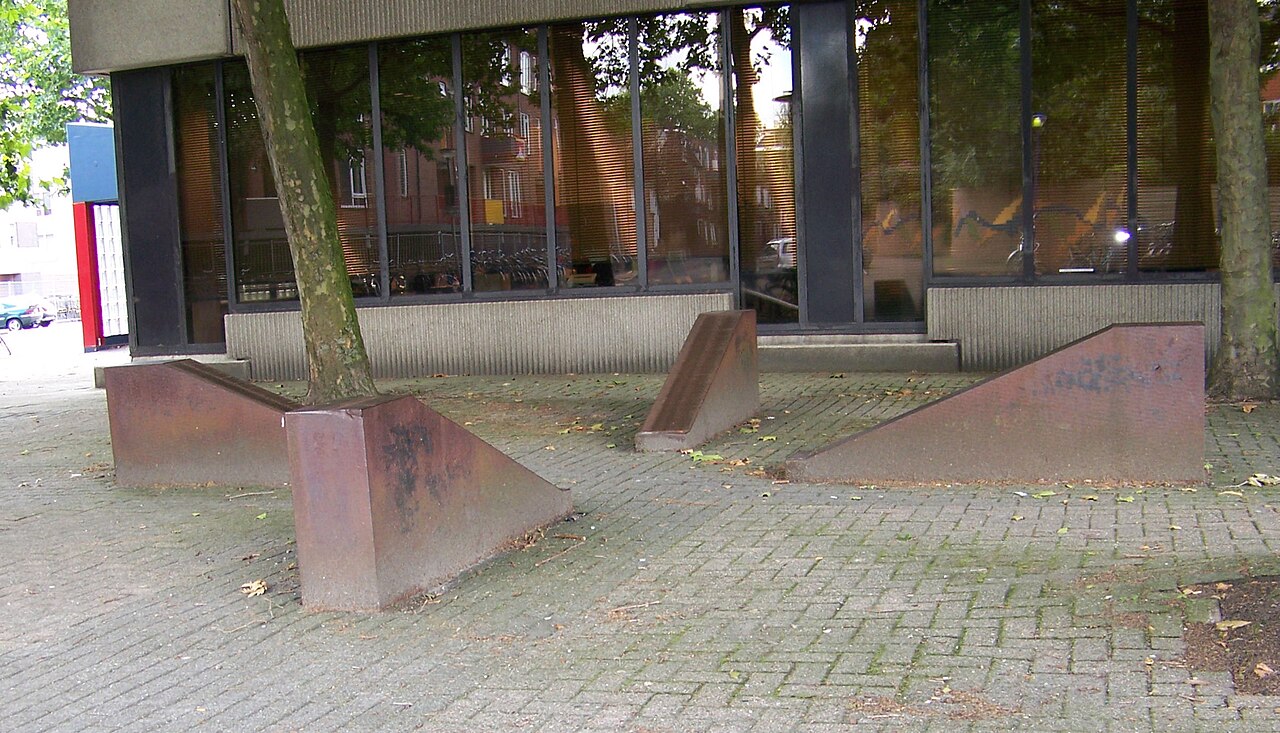
Visser favored found and ordinary materials, taking objects discarded by industry or daily life and reassembling them into new configurations. He is widely associated with the use of rusted and bent metal as well as poured or shaped concrete. Many accounts note his interest in converting seemingly useless pieces of metal and fragments of concrete into coherent sculptural objects, sometimes taking an austere, geometric approach and sometimes allowing irregularity and chance to remain visible.
Artistic development and context
Working primarily during the mid- to late 20th century, Visser developed a practice that intersected with assemblage, constructive abstraction and minimal tendencies in European sculpture. Rather than elaborate figurative carving, his concerns were often formal: balance, repetition, rhythm and the relationship between open and closed space.
Reception and significance
Visser gained international recognition; his work appeared in public settings and museum collections and contributed to debates about the role of industrial materials in art. Critics and curators have highlighted the way his sculptures negotiate between the mechanical and the handmade, between found object and deliberate composition. Examples of his work often invite viewers to consider weight, tension and the traces of previous uses.
Visser spent periods of his life working in the Netherlands and later lived in France. He died in Le Fousseret, France, at the age of 86. His career remains a reference point for artists interested in assemblage, reuse and the aesthetic possibilities of humble materials.
Characteristics and notable facts
- Use of found metal and concrete as primary media (metal, concrete).
- Approach blends constructive order with visible traces of work and wear.
- Works range from small studio pieces to larger public sculptures and installations.
- Often discussed in relation to mid-20th-century European abstraction and assemblage.
- His sculptures are catalogued and discussed in art histories and museum records; selected images and further references can be consulted through institutional resources (see illustrations and archival entries).
Related articles
Author
AlegsaOnline.com Carel Visser: Dutch sculptor known for assemblage and industrial materials Leandro Alegsa
URL: https://en.alegsaonline.com/art/16959