
Carbon footprint: definition, measurement, and ways to reduce it
Comprehensive overview of the carbon footprint concept: what it measures, common sources, how it is calculated, its history and uses, and practical strategies and limits for reduction.
Overview
The term "carbon footprint" describes the total amount of greenhouse gases emitted, directly and indirectly, by an activity, product, organization or person, usually expressed in metric tons of carbon dioxide equivalent (CO2e). It is a way to quantify how actions such as using electricity, driving, manufacturing goods, or producing food lead to releases of gases that trap heat in the atmosphere. Many discussions of the carbon footprint focus on greenhouse gases overall and on carbon dioxide in particular because CO2 is the largest single contributor to long-lived warming from fossil fuel combustion.
Image gallery
10 Images





Components and common sources
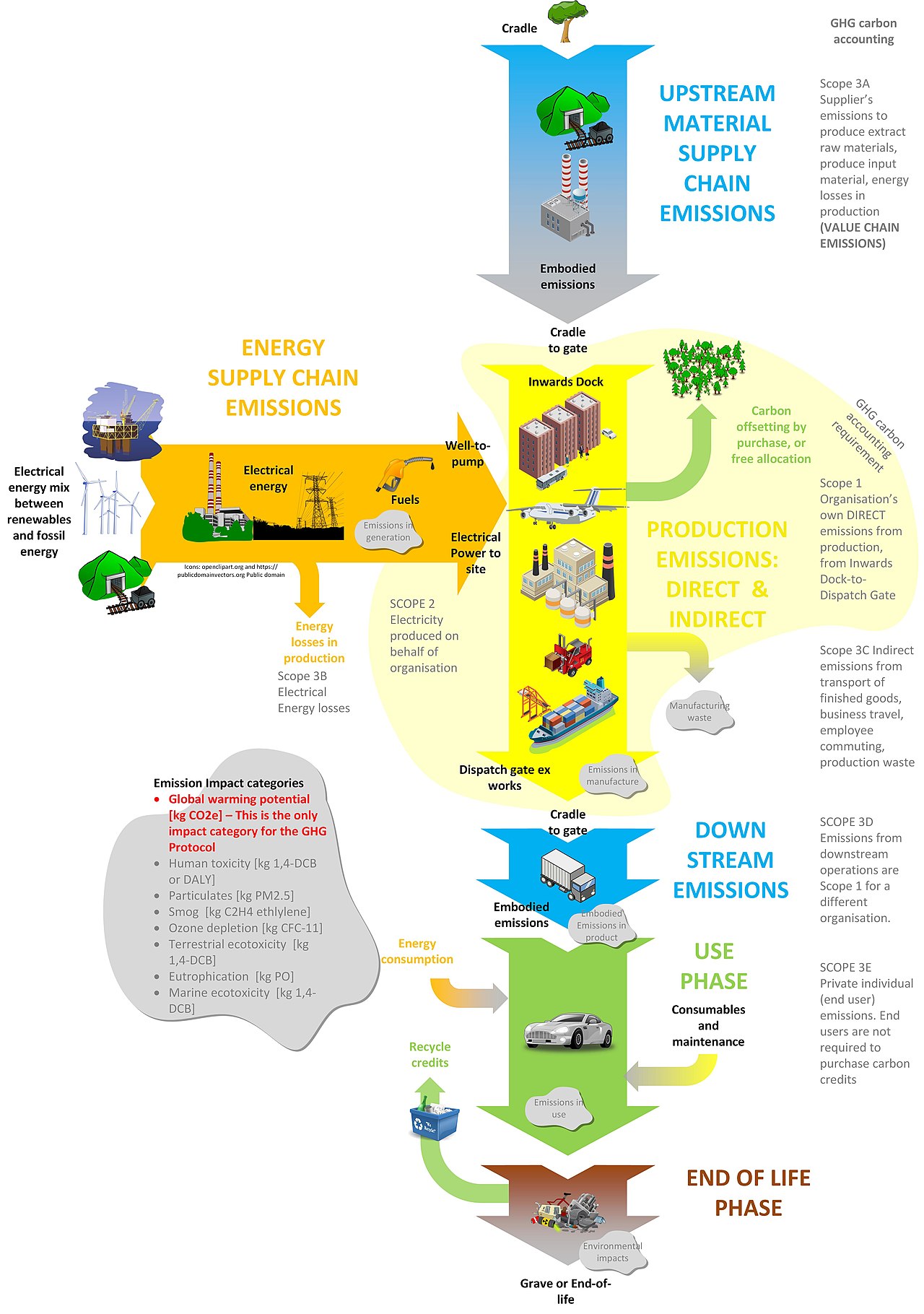
A footprint is often divided into direct and indirect emissions. Direct emissions come from sources you control or own — for example burning gasoline in a car or natural gas in a home heater. Indirect emissions arise from energy you purchase (such as electricity) and from the life cycle of products and services: extracting raw materials, manufacturing, transport, use and disposal. Typical contributors include:
- Energy generation for heat, power and refrigeration.
- Transportation: personal vehicles, aviation, shipping and freight.
- Industrial processes and manufacturing of goods.
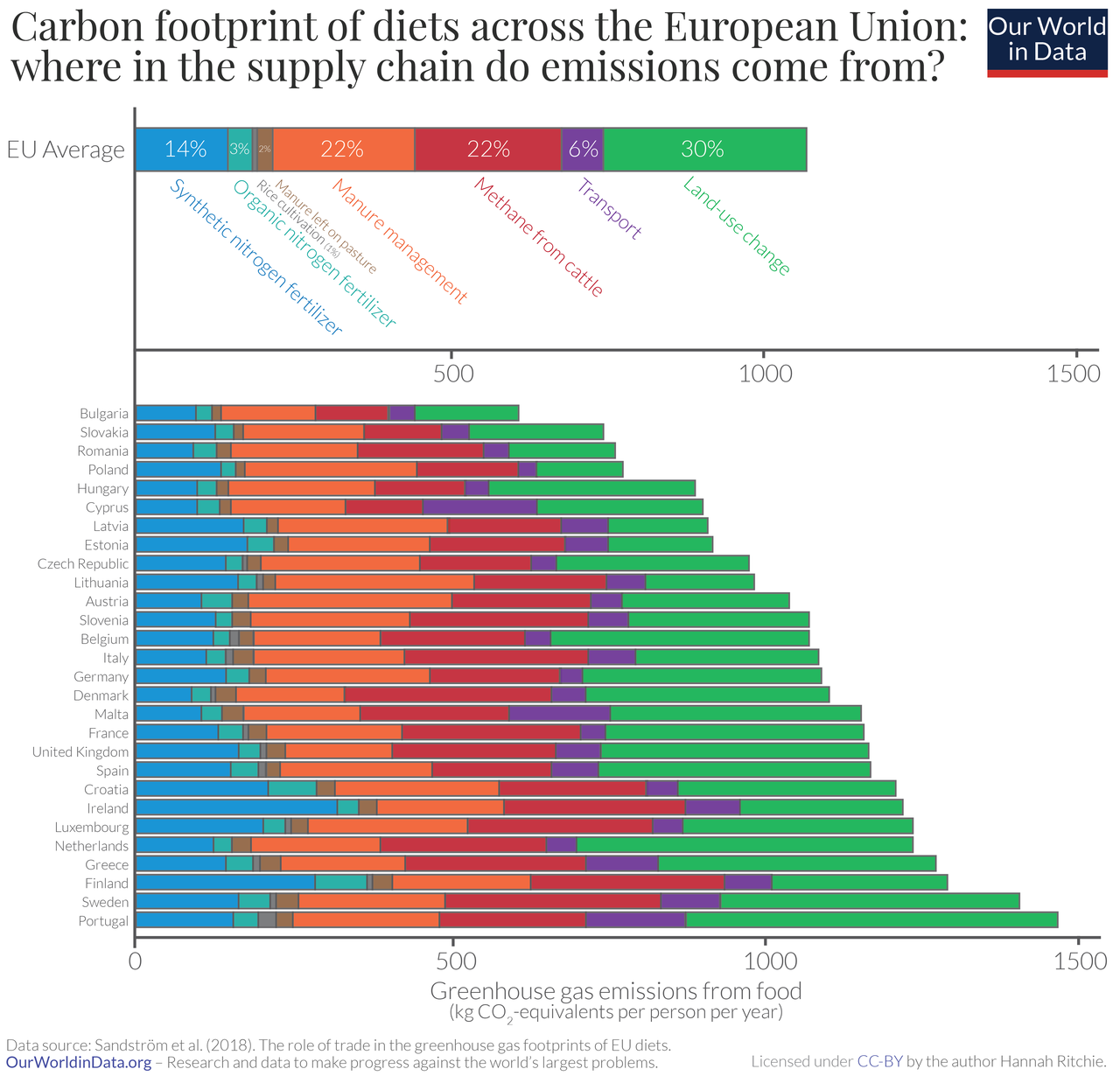
- Agriculture and land-use changes associated with food production.
- Supply chains and service activities outside an organization’s immediate control.
Measurement and classification
Measurement commonly relies on lifecycle assessment methods and emissions factors that convert activity data (kilowatt-hours, liters of fuel, kilograms of product) into CO2e. Analysts distinguish among scopes to clarify responsibility: Scope 1 (direct emissions), Scope 2 (indirect emissions from purchased energy) and Scope 3 (other indirect emissions along the value chain). The choice of boundaries, data quality and assumptions about allocation can significantly affect results, so transparency in methods is important for comparability.
History and development
The carbon footprint concept emerged as climate science and policy matured in the late twentieth century and as life-cycle thinking spread across business and environmental communities. Over recent decades it became a common tool in sustainability reporting, environmental product declarations and consumer guidance. Governments, researchers and non-governmental organizations refined measurement standards and calculators that help organizations and individuals estimate footprints for decision-making.
Uses and practical importance
Carbon footprints help prioritize actions to reduce emissions and track progress toward goals such as carbon neutrality or net-zero. Businesses use footprinting to identify hotspots in supply chains, report environmental performance to stakeholders, and design product improvements. Consumers consult footprints to compare travel options, food choices, or household energy decisions. Policymakers use aggregate footprint data to design incentives, regulations and carbon pricing to limit impacts on the environment and respond to risks associated with global warming.
Reduction strategies and examples
Effective reduction strategies target the largest and most feasible sources first. Common approaches include:
- Improving energy efficiency in buildings, industry and transport.
- Shifting to low-carbon or renewable energy sources for electricity and heating.
- Reducing travel emissions through modal shifts, telecommuting and optimized logistics.
- Altering consumption patterns: less meat-intensive diets, longer-lived goods and repairable products.
- Designing products for circularity and reducing waste in supply chains.
Carbon offsets and removals can be used to address unavoidable emissions, but their quality and permanence vary; best practice emphasizes emissions avoidance and reductions first, with offsets as a complementary measure.
Limitations and important distinctions
While useful, the carbon footprint metric has limits. It aggregates diverse greenhouse gases into a single CO2e number, which can obscure differences in persistence and impacts. Footprints depend on methodological choices and data quality; two calculators can give different results for the same activity. There is also a distinction between production-based footprints (emissions produced within a territory) and consumption-based footprints (emissions associated with goods and services consumed), which affects responsibility and policy responses. Finally, behavioral, economic and technological rebound effects can reduce or delay the climate benefits of some efficiency measures, so monitoring and adaptive strategies are necessary.
As public awareness and technical methods improve, carbon footprinting remains a widely used framework to translate complex greenhouse gas flows into actionable information for managing climate risk and moving toward more sustainable systems. For further resources on measurement methods and practical tools, see introductory guides and calculators offered by governments and reputable organizations: learn about greenhouse gas categories, understand CO2 and CO2e, and explore policy and sustainability materials at sustainability portals and research hubs on environment topics and climate science.
Related articles
Author
AlegsaOnline.com Carbon footprint: definition, measurement, and ways to reduce it Leandro Alegsa
URL: https://en.alegsaonline.com/art/16881