
Capitol Hill — historic neighborhood and seat of U.S. government
Capitol Hill is a historic, densely populated neighborhood in Washington, D.C., centered on the United States Capitol. It is a residential community, an historic district, and a U.S. political metonym.
Overview
Capitol Hill is one of Washington, D.C.'s oldest and most prominent neighborhoods, centered on the United States Capitol. It functions both as a living residential area and, in broader usage, as a metonym for the U.S. Congress. The neighborhood combines civic institutions, commercial corridors, parks and a large stock of 19th- and early-20th-century houses; it is a focal point for political life while remaining an active urban community.
Image gallery
10 Images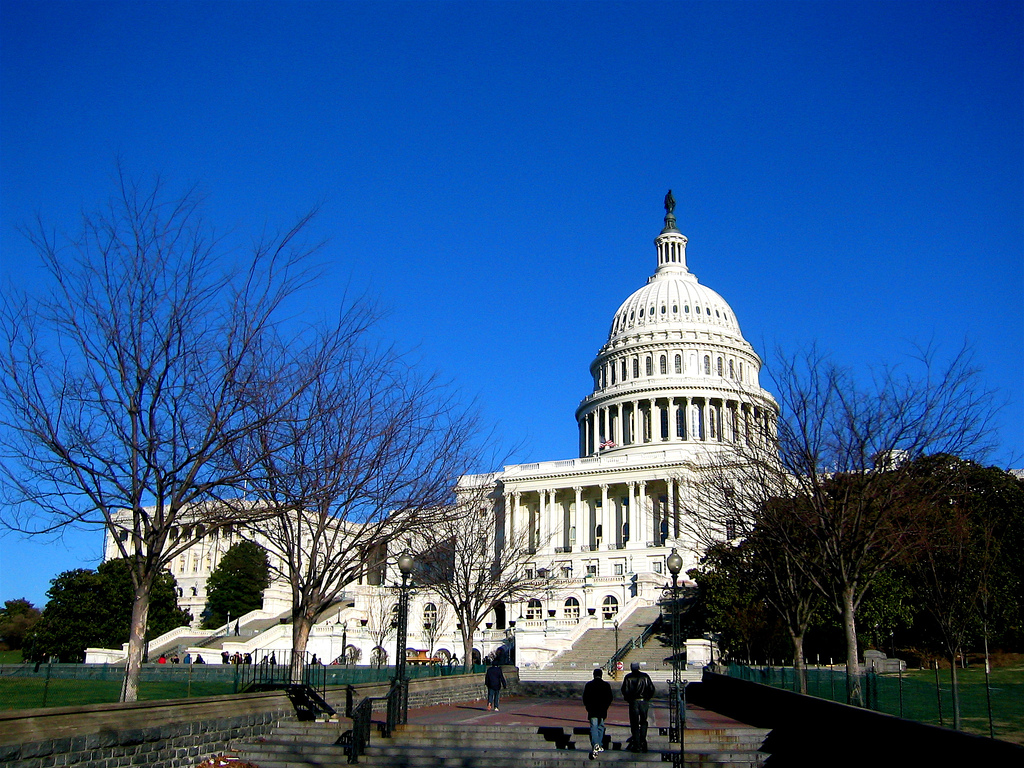



Geography and boundaries
The neighborhood and the hill that lends it its name lie near the geographic center of the District of Columbia and extend eastward from the Capitol. The area commonly described as Capitol Hill measures roughly two square miles and is bounded by landmarks and corridors such as the National Mall to the west, the Anacostia River to the east, and major roadways and waterfront facilities to the south and north. The crest of the hill is the site of the Capitol building itself, which dominates the local skyline.
History and development
When Pierre L'Enfant designed the plan for the Federal City in 1791, he placed the new "Congress House" on the high ground now called Capitol Hill, describing the site as a "pedestal waiting for a monument." Over the 19th and early 20th centuries the surrounding area filled in with rowhouses, churches and small commercial streets, serving both government workers and private residents. Much of the neighborhood has been recognized as a historic district to protect its architectural character and street patterns.
Architecture and neighborhood character
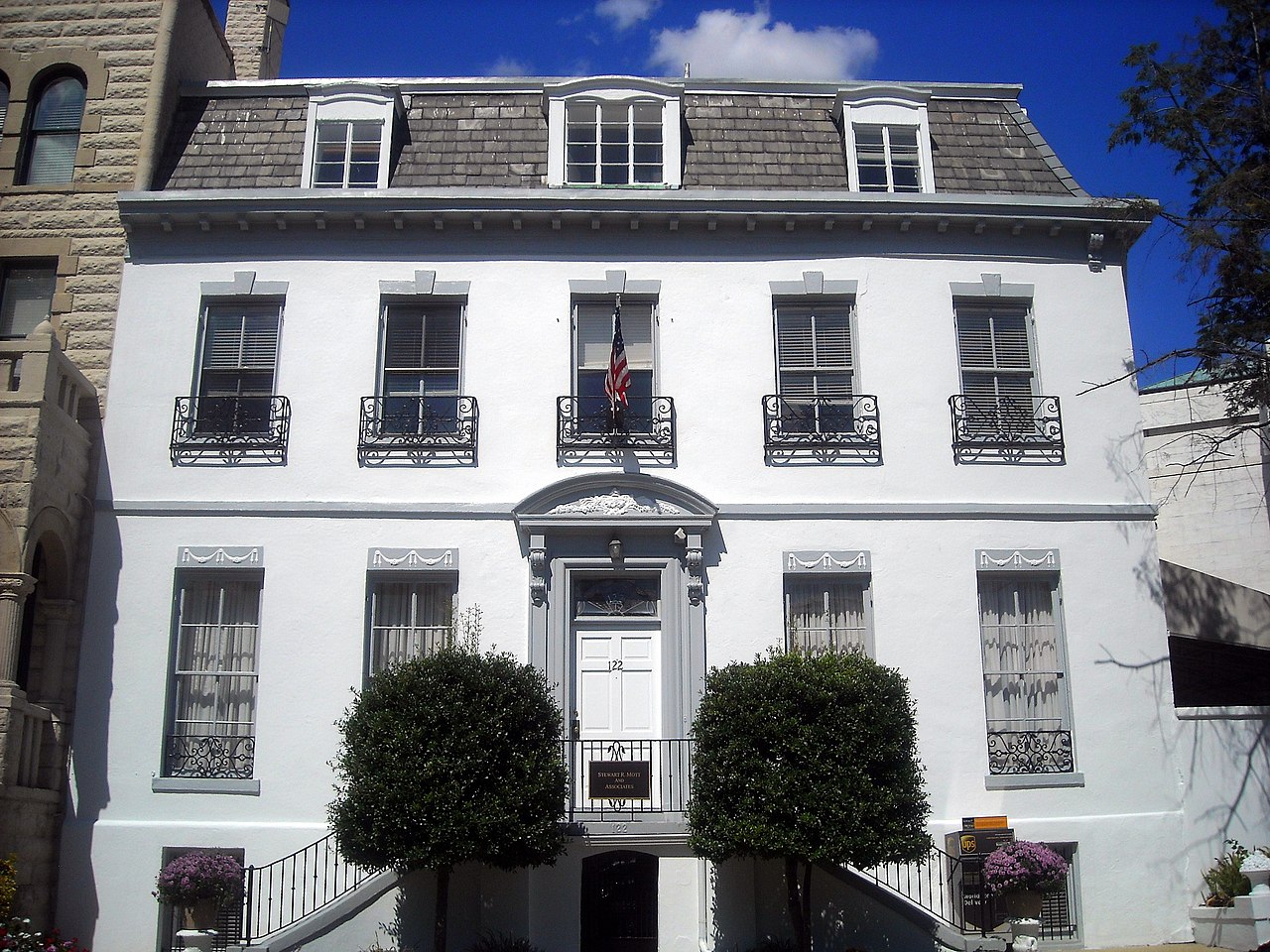
Capitol Hill is noted for its large concentration of rowhouses, often brick-built, with Victorian and late Federal details, alongside larger institutional buildings and a few apartment blocks. Streets are typically laid out in the L'Enfant grid and are intersected by broad avenues and public squares. Residential blocks are interspersed with small businesses, grocery shops, schools and community centers, giving the area a mixed-use, walkable character.
Community life, uses, and notable places
The neighborhood supports a diverse population of residents, local merchants and many people employed by federal agencies and the legislative branch. It has a lively civic life with farmers' markets, neighborhood associations, and cultural events. Important nearby sites and institutions include:
- United States Capitol — the symbolic and functional center of the area
- The H Street Corridor and small commercial strips that provide dining and retail
- Washington Navy Yard and riverfront redevelopment to the south
- Parks, churches and community schools that anchor residential blocks
The name "Capitol Hill" is also widely used as shorthand for Congress and legislative activity; in news and conversation, references to actions "on Capitol Hill" often mean actions by members of the House and Senate or their staffs. This double meaning gives the neighborhood an outsized presence in national life beyond its geographic footprint.
Preservation, planning, and significance
A substantial portion of the area is designated as the Capitol Hill Historic District, which helps protect building fabric and streetscapes from insensitive change. Local and federal planning efforts balance the needs of a living neighborhood—housing, small business vitality, transportation—with the presence of national institutions and tourism. As both a residential community of roughly tens of thousands of people and the symbolic seat of the legislative branch, Capitol Hill remains an important and distinctive part of Washington, D.C.'s civic and urban landscape.
Questions and answers
Q: What is Capitol Hill?
A: Capitol Hill is a historic residential neighborhood in Washington D.C. that is one of the oldest residential communities in Washington.
Q: What is the population of Capitol Hill?
A: Capitol Hill's two square miles house 35,000 people, making it one of the most densely populated neighborhoods.
Q: What is the Congress House?
A: The Congress House is the United States Congress, which is located on the crest of the hill in Capitol Hill.
Q: Who chose to locate the Congress House on Capitol Hill?
A: Pierre L'Enfant, as he began to develop his plan for the new Federal City in 1791, chose to locate the Congress House on the crest of the hill in Capitol Hill.
Q: What is the Capitol Hill historic district?
A: The Capitol Hill historic district is a large portion of the neighborhood that is now designated as a historic district.
Q: What is the location of Capitol Hill?
A: Capitol Hill rises in the center of District of Columbia and extends eastward. The Anacostia River lies to the east of Capitol Hill, while to the north is the H Street corridor, to the south are the Southeast/Southwest Freeway and the Washington Navy Yard, and to the west are the National Mall and the city's central business district.
Q: What can the phrase "Capitol Hill" refer to?
A: The phrase "Capitol Hill" can refer to both the historic district and the larger neighborhood around it or the United States Congress.
Related articles
Author
AlegsaOnline.com Capitol Hill — historic neighborhood and seat of U.S. government Leandro Alegsa
URL: https://en.alegsaonline.com/art/16773
Sources
- uschscapitolhistory.uschs.org : "The Mysterious Mr. Jenkins of Jenkins Hill"
- nlm.nih.gov : "Old Naval Hospital"
- voiceofthehill.com : voiceofthehill.com