
American Airlines Flight 11 — the 9/11 hijacking that struck the North Tower
American Airlines Flight 11 was a hijacked Boeing 767 that struck the North Tower of the World Trade Center on September 11, 2001, killing everyone aboard and shaping aviation security reforms.
Overview
American Airlines Flight 11 was the first of four commercial airliners commandeered in a coordinated series of terrorist hijackings on September 11, 2001. Departing Boston for Los Angeles, the aircraft was seized soon after takeoff and was deliberately flown into the North Tower of the World Trade Center in Lower Manhattan. The attack was executed by members of Al‑Qaeda, and the impact and ensuing fire led to the tower's eventual collapse.
Image gallery
10 Images


Aircraft, route and hijacking
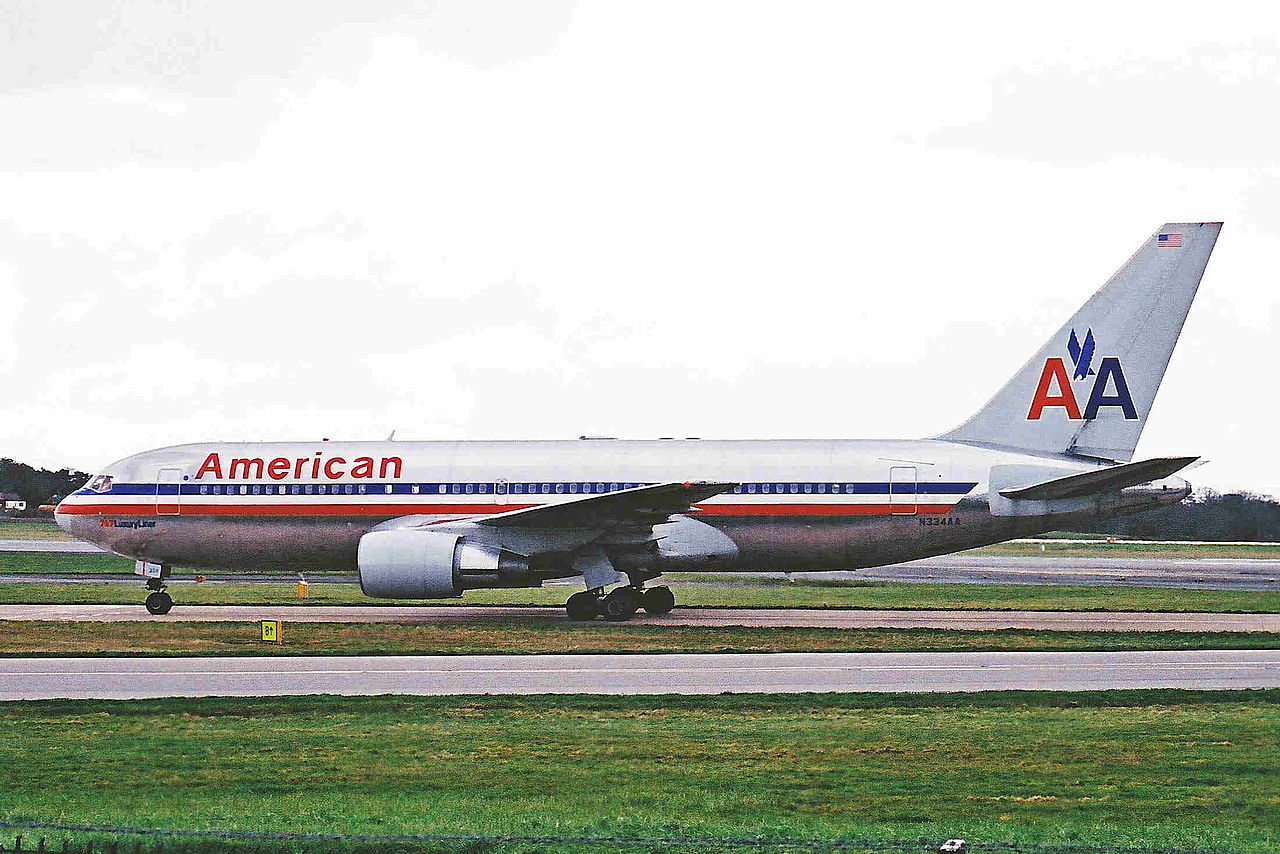
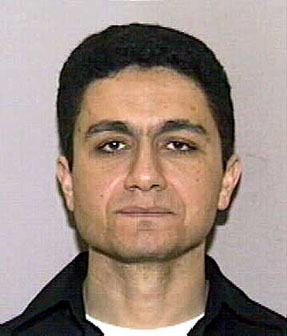
The airplane involved was an Boeing 767 operated by American Airlines. Flight 11 had been scheduled as a transcontinental passenger flight from Logan International Airport in Boston to Los Angeles International Airport. Approximately fifteen minutes after takeoff, several attackers forced their way into the cockpit. One of the hijackers, a trained commercial pilot who had received flight instruction prior to the attacks, took control of the aircraft.
People on board and casualties
All occupants of the flight were killed when the aircraft struck the tower at 08:46 Eastern Daylight Time. There were ninety‑two people on board in total: 11 crew members and 76 passengers, plus five hijackers. The loss of life on that day, including victims in the towers, on the planes and first responders, approached three thousand people and produced long‑lasting human, social and economic consequences.
Timeline, witnesses and recordings
The moment of impact was captured in several independent recordings and eyewitness accounts. A few of the most widely referenced visual records were taken by individuals who happened to be filming in the area: a documentary crew member, street photographers and a webcam that had been set to photograph Lower Manhattan at short intervals. Those recordings, along with news coverage and later investigations, established the sequence of events that morning and have been used in official reports and public accounts.
Key facts
- First aircraft involved in the September 11 attacks: airplane seized as part of a coordinated plot.
- Hijacking occurred minutes after takeoff from Logan International Airport.
- Aircraft type: Boeing 767 operated by American Airlines.
- Perpetrators were associated with Al‑Qaeda; one was a trained pilot who steered the plane into the tower.
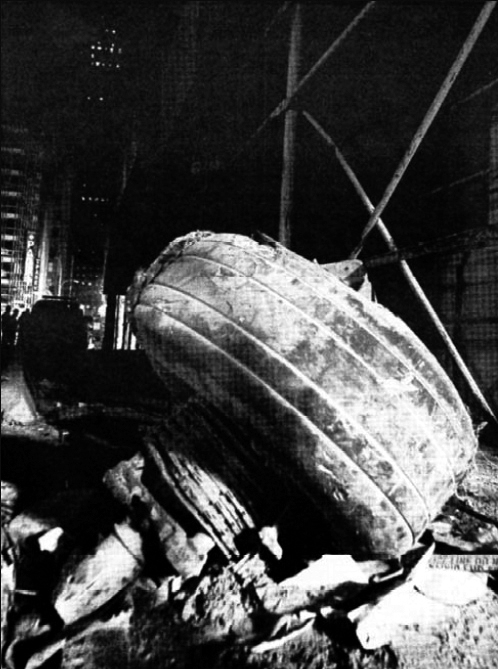
- Immediate aftermath included massive fire, structural failures and the subsequent collapse of the North Tower.
Aftermath and significance
The attack on Flight 11 had profound effects on aviation policy, emergency response planning and national security. In the months that followed, governments and commercial carriers implemented sweeping changes: strengthened cockpit doors, revised passenger screening procedures, the creation of new security agencies and altered protocols for crew training and in‑flight response. The events of that day remain central to debates about counterterrorism, civil liberties and preparedness.
Sources and recordings
Contemporary coverage and later independent inquiries drew on flight data, air traffic control transcripts, witness testimony and visual media. Some of the footage that documented the crash was filmed by onlookers and professionals who were in Lower Manhattan or nearby neighborhoods while working on unrelated projects, including a French documentary crew and local artists and photographers whose images and video clips were subsequently used in news reporting and official reconstructions.
For further contextual reading and archival material related to the flight, investigators and the public refer to a range of contemporary reports and multimedia collections: see flight records, retrospective analyses of the September 11 attacks, and resources about the victims and responders. Discussions of the aircraft crew and the 11 crew members, the producer filming a film who captured footage, and the broader public reaction in New York describe how individual accounts formed part of the historical record. The human stories linked to those events continue to inform research into emergency response, architectural resilience and the long‑term effects on survivors and communities.
Note: this article summarizes widely reported elements of the Flight 11 hijacking and its aftermath, emphasizing established facts and commonly cited consequences rather than speculative or disputed details. For original documents and primary sources consult official reports and verified archives via authorized repositories and institutional collections.
World Trade Center | Aircraft | Boston | Los Angeles | cockpit | pilot | crew | film
Questions and answers
Q: What type of aircraft was American Airlines Flight 11?
A: American Airlines Flight 11 was a Boeing 767.
Q: Where was the airplane scheduled to fly from?
A: The airplane was scheduled to fly from Logan International Airport in Boston to Los Angeles International Airport.
Q: Who were the hijackers on board the plane?
A: The hijackers were members of the terrorist group Al-Qaeda.
Q: How many people died in the crash?
A: All 92 people on the airplane died in the crash—11 crew members and 81 passengers; 5 of them were hijackers.
Q: What time did the crash occur?
A: The time of the crash was 08:46 Eastern Daylight Time.
Q: Who captured images of the moment of impact?
A: Jules Naudet, a French cameraman who was filming a movie, Pavel Hlava, a Czech immigrant, Wolfgang Staehle at an art exhibit in Brooklyn with a webcam set up that took pictures every four seconds, and a newscamera that was left on the ground also captured images of the moment of impact.
Q: How long did it take for North Tower to collapse after being hit by American Airlines Flight 11 ? A:The North Tower collapsed within 102 minutes after being hit by American Airlines Flight 11 .
Related articles
Author
AlegsaOnline.com American Airlines Flight 11 — the 9/11 hijacking that struck the North Tower Leandro Alegsa
URL: https://en.alegsaonline.com/art/3355
Sources
- archives.gov : "Staff Report - "We Have Some Planes": The Four Flights — a Chronology"
- cnn.com : "American Airlines Flight 11"
- fbi.gov : "9/11 Investigation (PENTTBOM)"
- 9-11commission.gov : "'We Have Some Planes'"
- sfgate.com : "Investigating 9-11 -- The doomed flights"
- boston.com : "Probe reconstructs horror, calculated attacks on planes"
- ntsb.gov : "Flight Path Study - American Airlines Flight 11"
- seattletimes.nwsource.com : "Excerpt: A travel day like any other — until some passengers left their seats"
- msnbc.msn.com : "Inside the failed Air Force scramble to prevent the Sept. 11 attacks"
- forbes.com : "Video Prophet"
- baltimoresun.com : "9/11 victim calmly describes hijack on haunting tape"
- cryptome.org : "USA v. Zacarias Moussaoui - Trial Testimony by David Raskin"
- wtc.nist.gov : "NIST NCSTAR1-5: Reconstruction of the Fires in the World Trade Center Towers"
- sfgate.com : "S.F. firefighters, others honor peers who died on 9/11"
- query.nytimes.com : "102 Minutes: Last Words at the Trade Center; Fighting to Live as the Towers Die"