
American Airlines Flight 191 (May 25, 1979)
The DC-10 crash of American Airlines Flight 191 after takeoff from O'Hare killed 273 and prompted major safety, inspection and maintenance changes to airline operations and the DC-10 design.
Overview
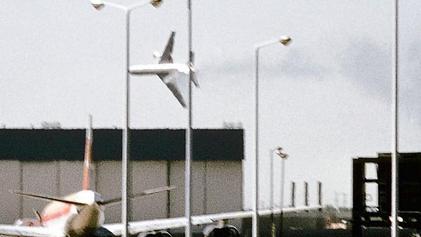
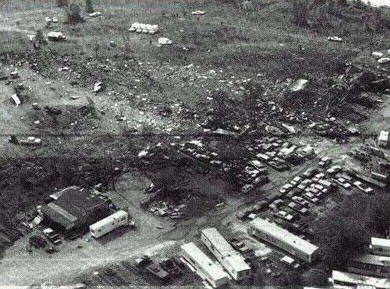
American Airlines Flight 191 was a scheduled domestic passenger service from O'Hare International Airport in Chicago to Los Angeles International Airport. On May 25, 1979, a McDonnell Douglas DC-10 operating the flight suffered a catastrophic failure during the takeoff roll and crashed into an open field near Des Plaines, Illinois. All 271 people aboard (258 passengers and 13 crew) were killed; two people on the ground also died and several others were injured. The accident remains one of the deadliest aviation disasters in United States history.
Image gallery
9 Images




Accident sequence and immediate causes
Shortly after beginning its takeoff, the aircraft lost the left engine and its supporting pylon. The separation damaged the left wing, severed hydraulic lines, and caused loss of lift and flight control on that side. The pilots were unable to maintain controlled flight and the airplane rolled and descended, striking the ground and catching fire. Investigators established that the separated engine and pylon assembly initiated the chain of events that rendered the aircraft uncontrollable during a critical phase of flight.
Investigation and root findings
Official accident inquiries examined structural damage to the engine pylon and the procedures used during prior maintenance. Investigators concluded that an improper maintenance practice weeks earlier had introduced damage to the pylon structure that went undetected; this damage ultimately led to the pylon failing under takeoff loads. The event highlighted how maintenance techniques, inspection regimes, and component attachment design can interact to produce catastrophic failures.
Consequences and safety changes
The crash prompted immediate regulatory and industry responses: DC-10 aircraft were temporarily grounded while inspections and modifications were instituted, and airlines revised maintenance procedures to prevent similar damage during engine removal or installation. The manufacturer and regulators mandated design changes and more rigorous inspection criteria for pylon and wing attachments. The accident also influenced training, emergency planning, and oversight practices across commercial aviation.
Legacy and notable facts
- The accident is widely cited in safety and engineering discussions as an example of how maintenance errors can precipitate catastrophic structural failure.
- It led to legal and insurance outcomes, and long-term changes in how airlines supervise heavy maintenance.
- Memorials and remembrances recognize those who died and the lessons learned for aviation safety.
Further reading and official reports provide detailed technical analysis and recommendations for maintenance, design, and regulatory improvements; these documents remain reference points for contemporary aviation safety work. American Airlines, O'Hare, the DC-10 type history, and local coverage of Des Plaines are among common starting points for public information on the event.
Tags
Related articles
Author
AlegsaOnline.com American Airlines Flight 191 (May 25, 1979) Leandro Alegsa
URL: https://en.alegsaonline.com/art/3356
Sources
- ntsb.gov : "Aircraft Accident Report: American Airlines, Inc. DC-10-10, N110AA, Chicago O'Hare International Airport, Chicago, Illinois, May 25, 1979"
- aviation-safety.net : "10 worst accidents in North America"
- aviation-safety.net : "ASN Aircraft accident McDonnell Douglas DC-10-10 N110AA Chicago-O'Hare International Airport, IL (ORD)"