
Alaskan King Crab Fishing: Overview, Methods, Risks, and Conservation
Commercial harvesting of king crab in the Bering Sea off Alaska. Covers vessels and gear, seasonal practice, safety hazards, management, economic role and threats such as ocean acidification.
Alaskan king crab fishing is the commercial harvest of large crab species — most notably the red king crab — in the cold waters off Alaska, especially in the Bering Sea. The fishery is concentrated in a short, seasonal window in winter that is driven by crab biology and regulatory seasons. Historically and today this fishery supplies markets worldwide and is widely known both for its economic importance and its hazardous working conditions. For more on the seasonal timing see season information, and for regional context refer to the Bering Sea and Alaska resources.
Image gallery
6 Images
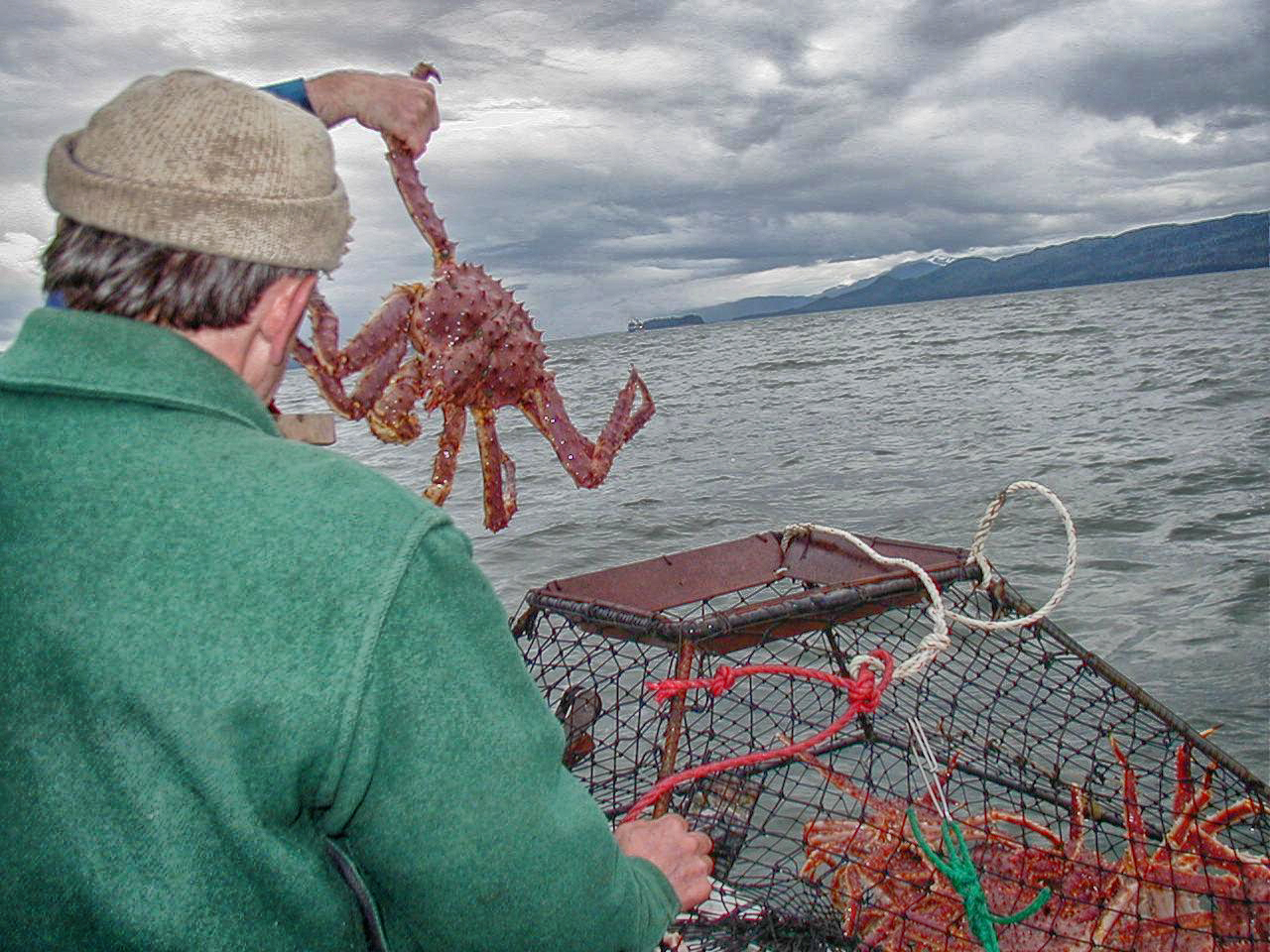


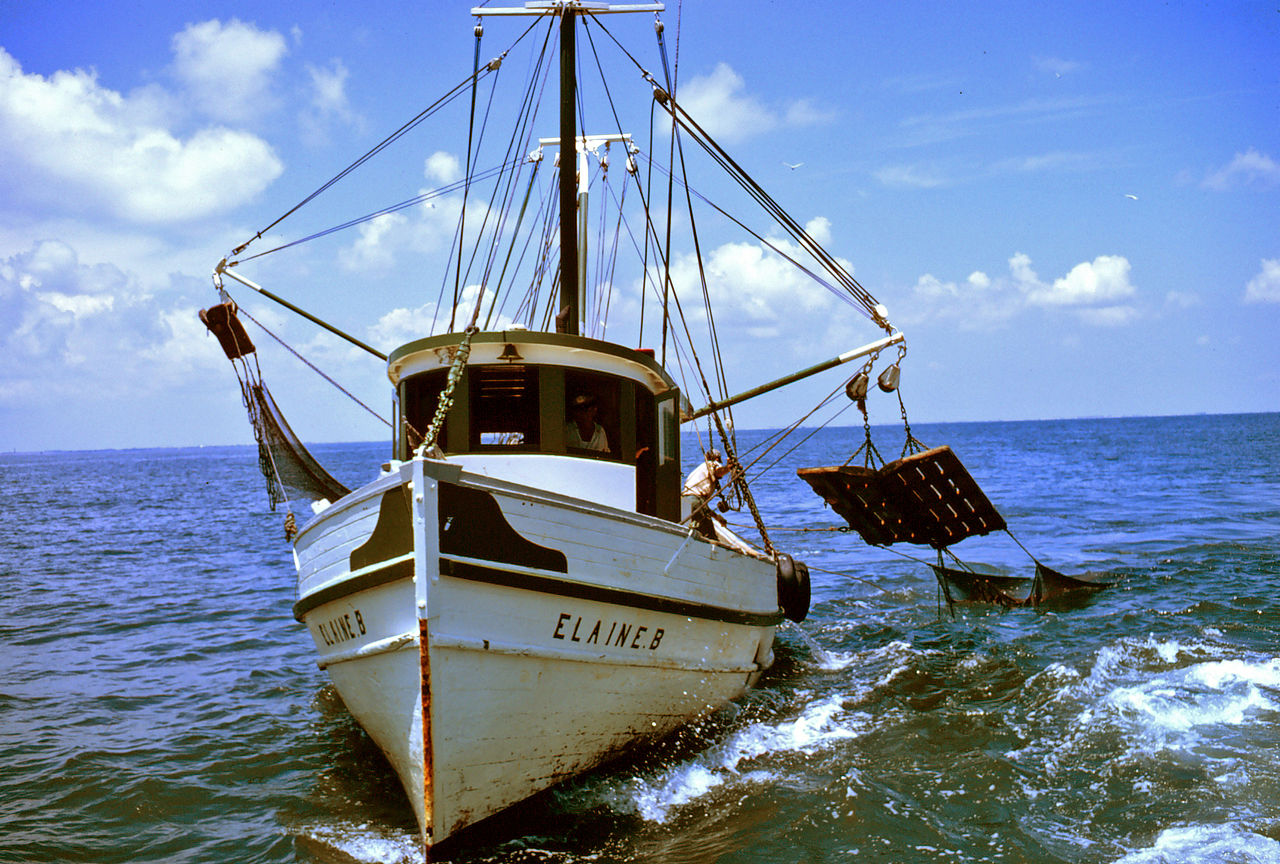

Vessels, gear and basic technique
Fishing for king crab is conducted from commercial vessels that range from smaller decked boats to larger catcher vessels. Typical boats used in this fleet fall into a wide size range; many crabbers operate vessels that provide a sturdy working deck for deploying gear and hauling heavy loads. Crews set a series of rigid steel cages called pots onto the seafloor; pots are baited to attract crabs and left on the bottom for a set soak time. Pots are hauled back aboard with mechanical winches and cranes designed to lift heavy, water-filled gear; see a description of pot types and hauling equipment at pots and gear and lifting equipment. The fishing activity itself is summarized in practical introductions to commercial crab fishing at fishing methods.
Handling catch, selection and landing
When pots are brought aboard, crew members sort the catch. Regulations typically require the immediate release of undersized crabs, egg-bearing females, and non-target species to protect recruitment. Marketable crabs are moved to live-holding tanks or immediately processed and iced for transport to shore. King crabs and other targeted species are often shipped to processors that prepare them for domestic and international markets; background on the species targeted can be found at king crab species. Earnings for crew vary widely and are often based on a share system: after expenses the vessel’s profits are divided among owner, captain and crew, producing pay that can range from modest to substantial depending on the season’s catch and market prices; general notes about pay and compensation are summarized at crew pay.
Risk, safety and public attention
Alaskan king crab fishing is frequently described as one of the more dangerous commercial fishing occupations due to frigid temperatures, heavy gear, icy decks and sudden severe weather. Dangers include falls overboard, entanglement in lines or gear, and injuries from heavy pots and winches. The peril and day-to-day life aboard crab vessels were popularized by the television series Deadliest Catch, produced by the Discovery Channel, which brought public attention to both the human drama and the safety challenges of the fishery.
Management, conservation and threats
The king crab fishery is regulated by state and federal agencies that establish seasons, size limits, quotas and gear rules to keep populations sustainable. Managers use scientific surveys and catch records to adjust harvest levels. In addition to fishing pressure, king crab populations face environmental threats: changing ocean conditions, including warming and ocean acidification, can affect crab growth, survival of larvae and prey availability; researchers and managers monitor these risks and consider them in long-term planning. Relevant discussions on environmental threats and research are available at ocean conditions and impacts.
Notable features and considerations
- Short, seasonal fishery: seasons are constrained by crab life cycles and conservation rules.
- Share-based pay: many crews are compensated through a share of the vessel’s profits rather than hourly wages.
- Selective harvesting: regulations emphasize release of females and small crabs to protect future stock.
- High visibility: media exposure has increased public awareness about the fishery’s risks and value.
Understanding Alaskan king crab fishing requires attention to its technical methods, human and economic dimensions, and the ecological context that supports the resource. For introductory materials, technical gear descriptions and regional updates see additional background at season information, Bering Sea, Alaska, fishing methods, king crab species, pots and gear, lifting equipment, crew pay, Deadliest Catch, Discovery Channel and ocean conditions and impacts.
Questions and answers
Q: What is Alaskan king crab fishing?
A: Alaskan king crab fishing is an event done in the winter in the Bering Sea near Alaska where people fish for many King Crabs.
Q: How do crabbers fish for Alaskan king crabs?
A: Crabbers fish from boats between 40 and 250 feet (13-75m) in length. They throw steel cages, called pots, over the side of the boat, and the crabs are lured to bait placed in them.
Q: What happens to the crabs in the pots that are not good enough?
A: When the pots have been on the bottom of the sea long enough, they are pulled back onto the boat using a special kind of crane. The crabs in the pots are examined and crabs that are not good enough are put back into the ocean and the rest are put into a tank.
Q: How are the crabs sold?
A: When the ship gets back to the shore, the crabs are sold to stores around the world for eating.
Q: Why is Alaskan crab fishing considered one of the USA's most dangerous jobs?
A: Alaskan crab fishing is considered one of the USA's most dangerous jobs because of the big waves and dangerous boats the fishermen work on, which can lead to death.
Q: What TV series was made about Alaskan crab fishing?
A: The TV series 'Deadliest Catch' was made about Alaskan crab fishing to show people how dangerous it is.
Q: What is the threat to crabs mentioned in the text?
A: Ocean acidification is a threat to crabs, according to the text.
Related articles
Author
AlegsaOnline.com Alaskan King Crab Fishing: Overview, Methods, Risks, and Conservation Leandro Alegsa
URL: https://en.alegsaonline.com/art/2017
Sources
- pbs.org : Changing Ocean Chemistry Threatens Alaskan Crabs