
Dubai International Airport: overview, terminals, history and importance
Comprehensive overview of Dubai International Airport (DXB/OMDB), covering terminals, history, operations, airline hub role, passenger services and notable distinctions in the Middle East aviation network.
Overview
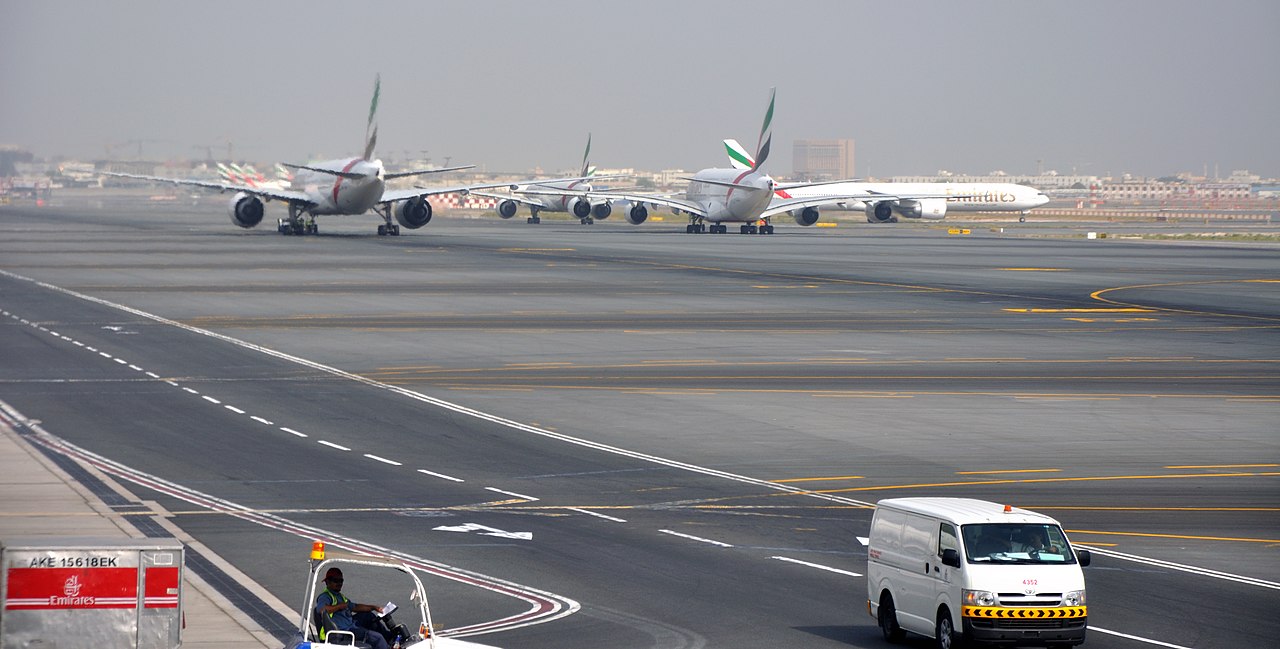
Dubai International Airport, identified by IATA code DXB and known in Arabic as مطار دبي الدولي, is the principal airport serving the city of Dubai in the United Arab Emirates. Located close to the city center, it functions as a major airline hub for the Middle East and connects long-haul intercontinental services with a wide network of regional and international routes. The airport is the primary base for the carrier Emirates.
Image gallery
10 Images



Terminals and infrastructure
DXB comprises three primary passenger terminals, commonly called Terminal 1, Terminal 2 and Terminal 3. Terminal 3 was built specifically to serve Emirates' operations and is one of the world’s largest airport terminals dedicated largely to a single airline. Facilities across the terminals include multiple runways, extensive duty-free shopping, lounges, and inter-terminal transport links that handle transfers between terminals and to nearby hotels and transport hubs.
- Terminal 1: International arrivals and departures for many full-service carriers.
- Terminal 2: Low-cost and regional operators, plus some charter services.
- Terminal 3: Main base for the national carrier and long-haul flights.
History and development
Originally a modest airfield serving a growing emirate, Dubai International expanded rapidly in step with Dubai’s emergence as a global business and tourism center. Successive development phases increased terminal capacity and runway capability to accommodate rising passenger volumes and larger wide-body aircraft. Investments in terminal expansions and modern passenger processing were driven by demand for direct international connections and the airport’s strategic position between Europe, Asia and Africa.
Operations and role in aviation
DXB operates as a busy international gateway rather than a major domestic hub, handling a high proportion of transfer passengers and long-haul services. Its role as a hub has helped establish extensive point-to-point and connecting schedules. The airport supports cargo operations as well as passenger services, and its operational model emphasizes timed connections and short transfer windows to maximize onward traffic.
Passenger experience and services
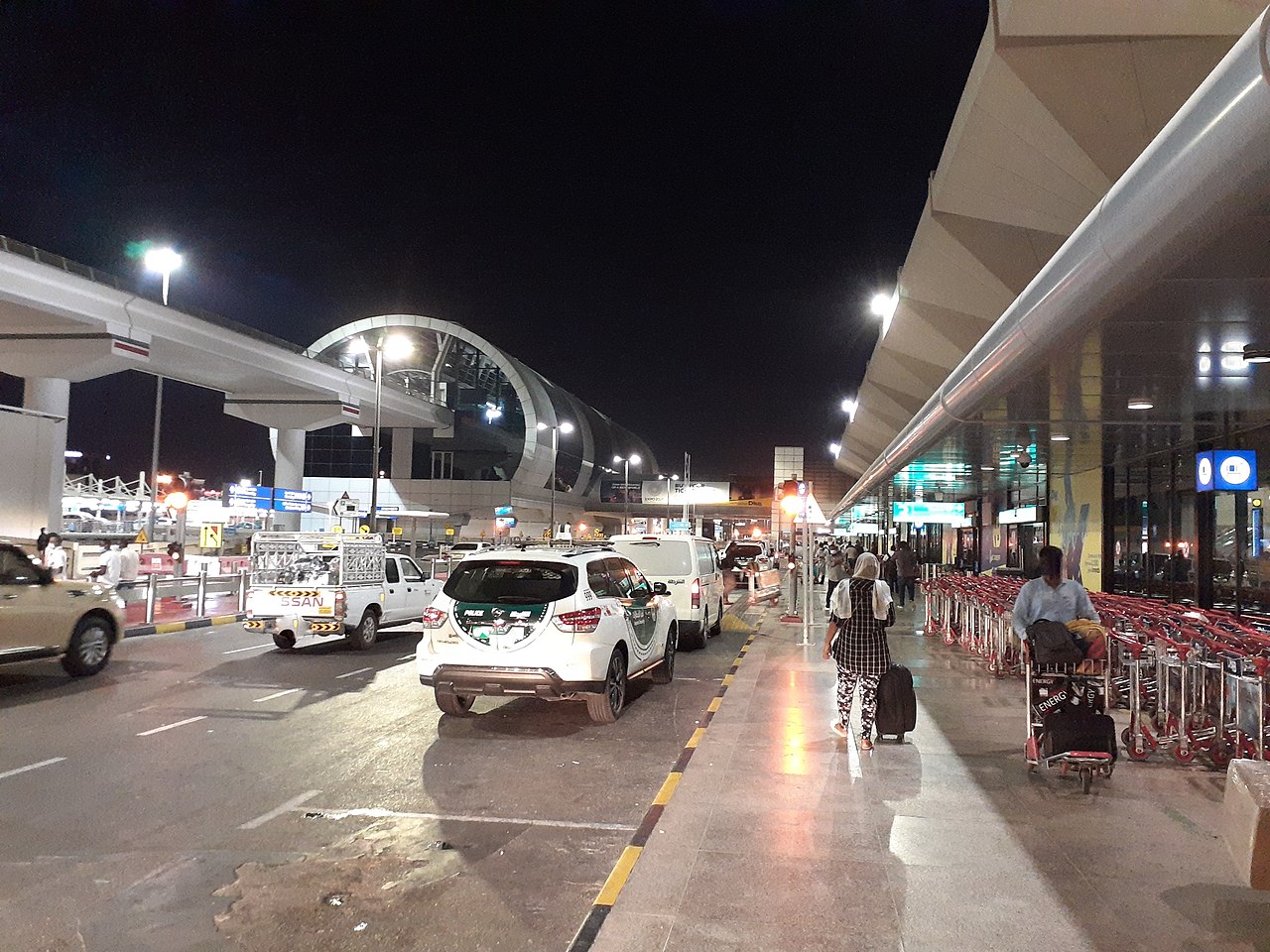
Passengers at Dubai International can expect a broad range of services: extensive retail and dining, premium and pay-per-use lounges, family and business facilities, medical and accessibility services, and numerous ground transport options including taxis, buses and dedicated airport shuttles. Immigration, security and baggage systems have been periodically upgraded to improve throughput during peak travel periods.
Notable facts and distinctions
DXB is widely recognized as one of the world’s busiest airports for international passenger traffic and for its influential role in regional connectivity. Its design and operations reflect Dubai’s emphasis on transit travel and tourism. The airport continues to evolve alongside regional aviation trends, adapting capacity and services to meet changing airline networks and traveler expectations.
Related articles
Author
AlegsaOnline.com Dubai International Airport: overview, terminals, history and importance Leandro Alegsa
URL: https://en.alegsaonline.com/art/29083
Sources
- content.emirates.com : "Quantifying the Economic Impact of Aviation in Dubai"
- gcaa.gov.ae : United Arab Emirates AIP
- aci.aero : "Preliminary 2012 World Airport Traffic and Rankings"
- cebupacificair.com : "Cebu Pacific announces direct daily flights to Dubai"
- emirates.com : "Emirates to link Conakry to its Dakar Service | News | About Emirates | Emirates Libya"
- ameinfo.com : "Emirates to Sialkot"
- hugedomains.com : "HugeDomains.com - Gulf-Business.com is for sale (Gulf- Business)"
- zawya.com : "Emirates to resume services to Libya"
- emirates.com : "Emirates to open third destination in Japan"
- arabianaerospace.aero : "flydubai doubles Russia and Ukraine network"
- flydubai.com : "News"
- arabianbusiness.com : "UAE's flydubai launches South Sudan route - Transport"
- avianews.com : "flydubai начинает полеты из аэропорта Жуляны"