
Sawmill: function, equipment, history and modern practices
An overview of sawmills: how they convert logs into boards, common equipment and processes, historical development, modern technologies, uses, environmental considerations, and safety.
A sawmill is an industrial facility where logs are cut into lumber and related wood products. The term covers a wide range of operations, from small portable mills serving a single farm to large, automated plants supplying timber for construction, furniture, paper and other industries. A typical sawmill converts raw logs into marketable boards and beams through a sequence of mechanical and finishing steps; processed material often moves on to drying, planing and grading.
Image gallery
10 Images

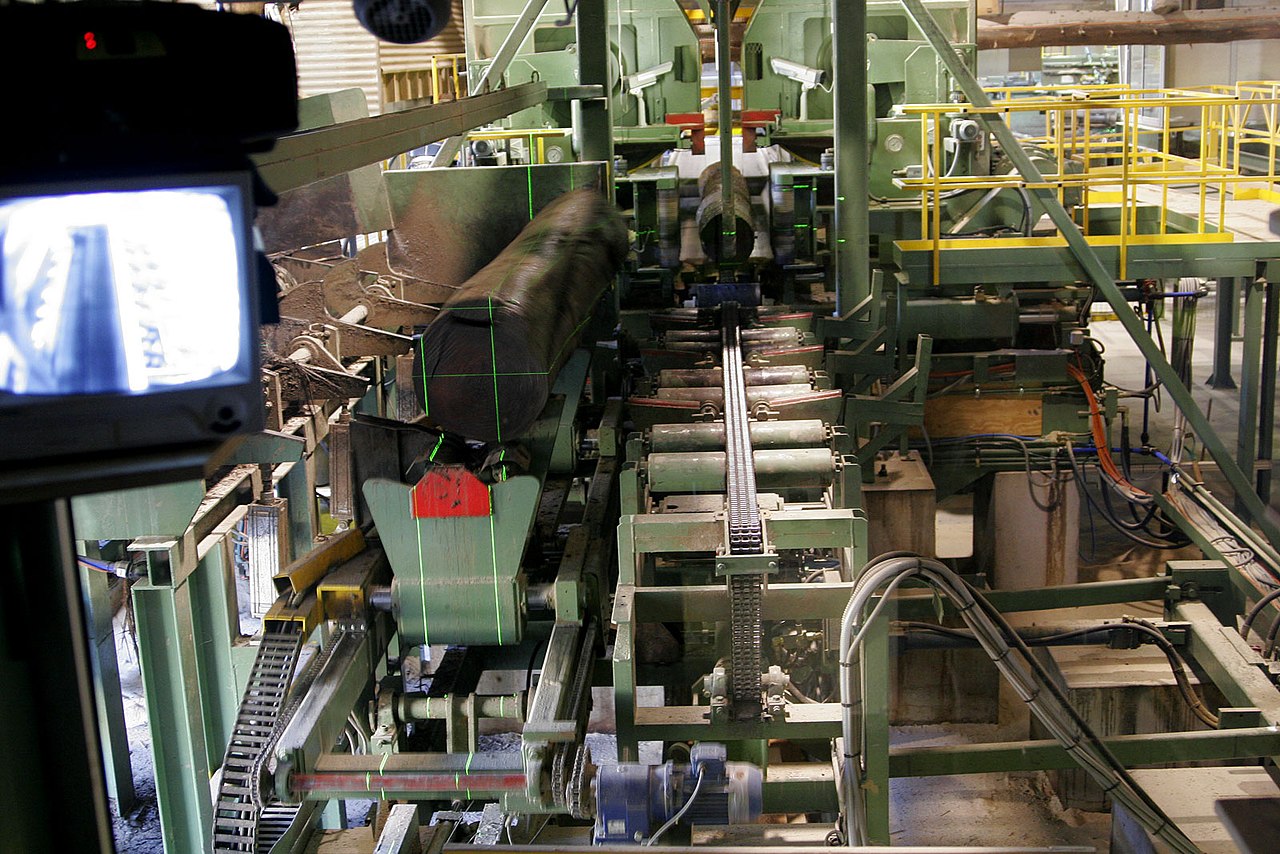


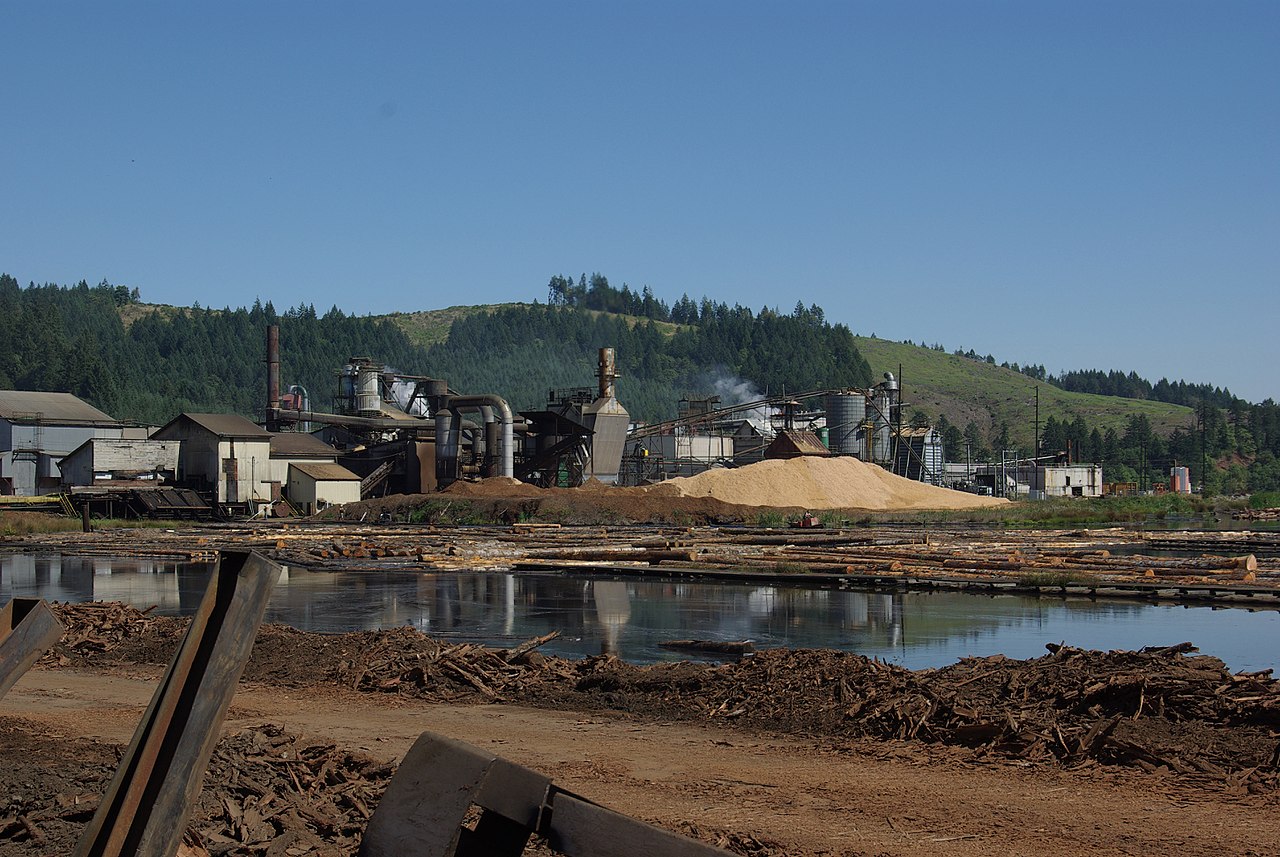
Major components and process
Most sawmills share a set of core elements: a log deck and infeed system, one or more primary saws, resaws or edgers, a trimming station and conveyors. Supporting equipment includes debarkers, conveyors, chippers and kilns for drying. Steps in a conventional flow often follow:
- Log handling and sorting
- Debarking
- Primary breakdown (headrig or large saw)
- Resawing, edging and trimming to finished dimensions
- Drying (kiln or air-dry) and surface finishing
Finished boards may be further processed by planers, moulders or grading lines. Waste wood is commonly chipped, burned for process heat, or recovered as sawdust for other uses.
History and development
The practice of sawing wood is ancient; mechanized sawing expanded with water and later steam power, enabling much higher output than hand tools. Over centuries sawmills evolved from simple frame saws to circular and band saw technology, and into the computerized systems used in many modern mills. Mechanization and improved saw designs increased yield and reduced labor requirements.
Uses, importance and distinctions
Sawmills supply the timber used in building construction, cabinetry, furniture, packaging and engineered wood products. They differ from planing mills (which focus on smoothing and dimensioning) and from lumberyards (which store and sell finished wood). Small portable sawmills provide on-site milling for custom or remote projects, while large mills aim for volume and integration with forestry supply chains.
Environmental, economic and safety considerations
Sawmills play a key role in regional economies where forestry is important, but they also interact with sustainability concerns. Responsible mills incorporate wood from managed forests, optimize cutting patterns to reduce waste, and use residues for energy or byproducts. Safety is critical: heavy logs, rotating saws and conveyors require guarded machinery, training, and personal protective equipment. Modern mills increasingly use scanners, optimization software and automation to improve yield, safety and environmental performance.
For more on lumber production and related practices see lumber.
Author
AlegsaOnline.com Sawmill: function, equipment, history and modern practices Leandro Alegsa
URL: https://en.alegsaonline.com/art/87675
Sources
- lumberbasics.org : "Lumber Manufacturing"