
Calgary: overview, history, geography, culture and economy
Calgary, the largest city in Alberta, Canada, is a major economic and cultural centre near the Rocky Mountains, known for the Calgary Stampede, energy industry, parks and gateway to mountain recreation.
Overview
Calgary is the largest city in Alberta and one of the major urban centres of Canada. Located in the southern part of the province, it sits near the eastern edge of the Rocky Mountains. The city serves as a regional hub for business, culture and transportation and has a diverse population of more than one million residents. Calgary combines an urban downtown with extensive parks and river valleys, offering both metropolitan amenities and close access to wilderness.
Image gallery
10 Images



History and development
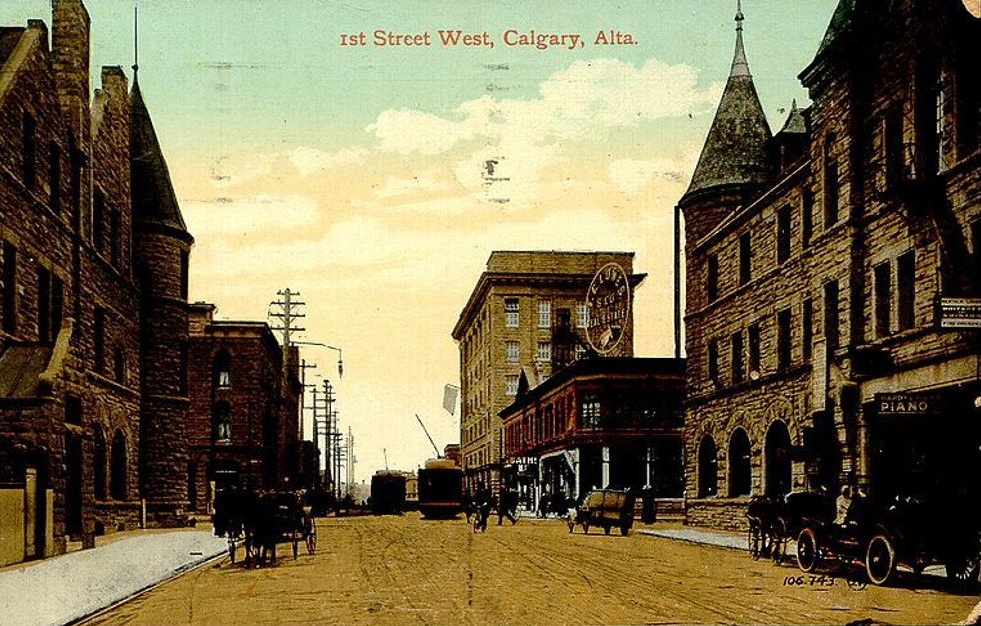
Calgary began in the late 19th century as a small outpost and grew quickly with arrival of railways and settlers. Through the 20th century the discovery and development of oil and gas accelerated its growth, shaping the metropolitan economy and skyline. Expansion continued as industries diversified into finance, technology, and tourism while municipal planning preserved green spaces along the Bow River and surrounding hills.
Geography and climate
The city lies on prairie lands at the foothills of the mountains, with the Bow River and several tributaries flowing through it. Calgary experiences a continental climate: cold winters with frequent snow and generally warm summers. Its location near the foothills contributes to rapid weather changes and notable warm Chinook winds that can raise winter temperatures suddenly.
Economy and infrastructure
Historically tied to energy and natural resources, Calgary now supports a broader economy including finance, technology, construction and professional services. The city is a transportation centre with an international airport and a light-rail transit system, and it hosts regional corporate headquarters and major conference facilities.
Culture, attractions and events
Calgary is known for the annual Calgary Stampede, a large rodeo and festival that draws national and international visitors. Cultural institutions include museums, performing arts venues and galleries. Parks, pathways and nearby mountain resorts make the area popular for outdoor recreation such as hiking, skiing and climbing.
Notable facts and distinctions
- Gateway to the Rocky Mountains and nearby national parks.
- Home to professional sports teams, major festivals and cultural institutions.
- Combines a strong urban economy with accessible natural landscapes.
For more information, municipal, tourism and provincial resources can provide up-to-date details on demographics, transportation and events: Calgary resources, Alberta sources, and national overviews at Canada guides. Adventure and planning around the nearby Rocky Mountains are popular reasons visitors and residents alike explore the region.
Related articles
Author
AlegsaOnline.com Calgary: overview, history, geography, culture and economy Leandro Alegsa
URL: https://en.alegsaonline.com/art/16091
Sources
- calgaryherald.com : "Alberta's best in TV, film feted at Rosies"
- calgaryherald.com : "Alberta's got plenty of swing"
- books.google.com : 2001 Indian Place Names of the West - Part 1
- books.google.com : 2001 INDIAN PLACE NAMES OF THE WEST, Part 2: Listings by Nation
- municipalaffairs.alberta.ca : "Location and History Profile: City of Calgary" · web.archive.org
- municipalaffairs.alberta.ca : "Municipal Officials Search"
- www12.statcan.gc.ca : "Population and dwelling counts, for Canada, provinces and territories, and population centres, 2016 and 2011 censuses – 100% data (Alberta)" · web.archive.org
- www12.statcan.gc.ca : "Population and dwelling counts, for census metropolitan areas, 2016 and 2011 censuses – 100% data" · web.archive.org
- newsroom.calgary.ca : "2019 Census Results Released"
- www150.statcan.gc.ca : www150.statcan.gc.ca/t1/tbl1/en/tv.action?pid=1710014201&geocode=A00054806016